By Jemimah Wellington, JKNewsMedia Correspondent
QUESTIONS OVER the integrity of Nigeria’s tax reform legislation surfaced on the floor of the House of Representatives after a lawmaker alleged that the version of the law released to the public differs from what lawmakers approved during plenary.
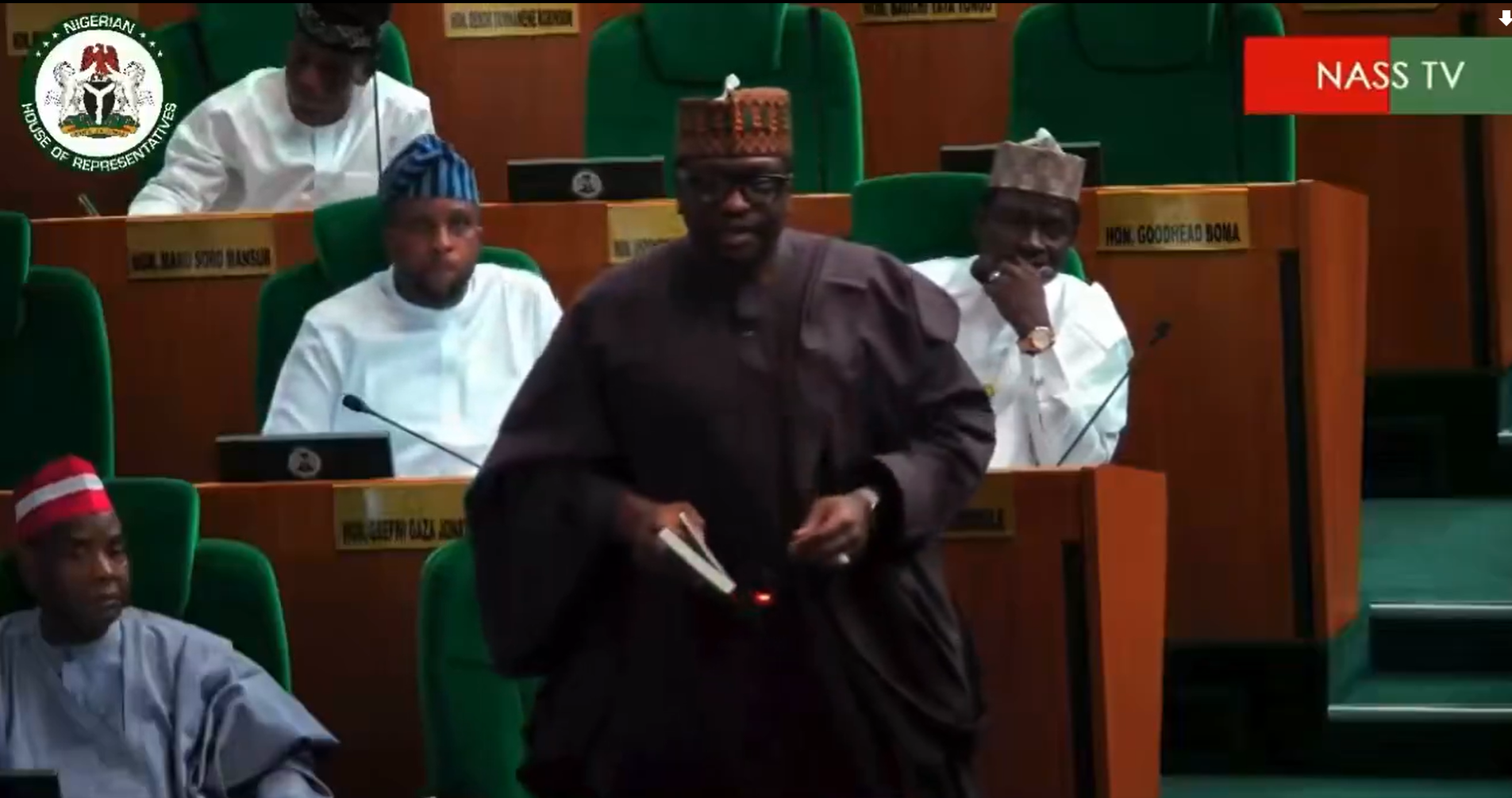
The issue emerged during Wednesday’s sitting when Abdulsammad Dasuki, a member representing Kebbe Tambuwal federal constituency of Sokoto, raised a point of privilege, stating that discrepancies exist between the tax reform law passed by the National Assembly and the gazetted copy available to Nigerians.
Dasuki told the House that the document officially published after the passage of the law does not reflect the version debated, harmonised and approved by lawmakers.
He said he participated in the vote and later discovered significant differences when he reviewed the gazetted copy.
“What was passed on the floor is not what is gazetted. Mr. Speaker, honourable colleagues, I was here, I gave my vote, and it was counted, and I am seeing something completely different,” he said.
His intervention followed steps taken by the Federal Government to prepare for the implementation of the new tax law from January 1, 2026, including the approval of the establishment of the National Tax Policy Implementation Committee.
The committee is expected to oversee the coordinated rollout of the Federal Government’s tax reforms.
Explaining the gazette: It is an official government publication that formally publishes laws and legal notices after legislative approval and presidential assent.
It serves as an authoritative public record relied upon by government agencies, the courts and the public as evidence of the law in force.
Dasuki said he personally obtained copies of the gazetted law from the Ministry of Information and found them to be inconsistent with the versions harmonised and approved by the House of Representatives and the Senate.
“I am calling on Mr Speaker to graciously look at what was harmonised, what is in the gazetted copy, and what was passed on this floor,” he said.
Citing Order Six Rule Two of the House Rules, the lawmaker informed colleagues that his legislative privilege had been breached.
He argued that the gazetted versions of the laws did not faithfully represent what was debated, approved and passed by the House.
He told lawmakers that after the passage of the tax bills, he spent three days reviewing the gazetted copies alongside the House Votes and Proceedings and the harmonised version agreed by both chambers of the National Assembly.
He said this review revealed notable discrepancies.
“I was here, I gave my vote, and it was counted, and I am seeing something completely different,” Dasuki said again, adding that the inconsistencies were evident when comparing the documents obtained from the Ministry of Information with the versions approved by both chambers.
The lawmaker clarified that his address was not intended to serve as a motion.
He said his purpose was to draw the attention of the House to what he described as a serious violation of legislative procedure and the Constitution.
He urged the Speaker to ensure that all relevant documents, including the harmonised versions of the tax bills, the Votes and Proceedings from both chambers and the gazetted copies currently in circulation, are presented before the Committee of the Whole for a comprehensive review by members.
Dasuki warned that allowing laws that differ from those duly passed by the National Assembly to be released to the public would undermine the credibility of the legislature and amount to a breach of constitutional provisions.
“Mr Speaker, I will be pleading that all the documents should be brought before the Committee of the Whole. The whole members should see what is in the gazetted copy and see what they passed on the floor so that we can make the relevant amendment,” he said.
“This is a breach of the Constitution. This is a breach of our laws, and this should not be taken by this honourable House,” he added.
Although he did not move a substantive motion, Dasuki requested that the version passed by the National Assembly be presented before the Committee of the Whole to enable lawmakers to compare it directly with the gazetted copy.
Tajudeen Abbas, Speaker of the House of Representatives, acknowledged the concern raised and noted that action would be taken on the matter.
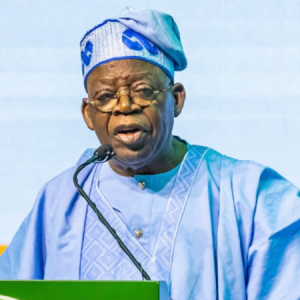
He noted that the House of Representatives and the Senate had passed the tax reform bills in March and May respectively and President Bola Tinubu had promptly signed the bills into law in June.
Adding that initially, the bills faced opposition from northern governors, who argued that the proposed laws could harm the interests of the region. Then, they called on the National Assembly to reject the bills and demanded fair and equitable implementation across all regions.
Also, the Nigeria Governors’ Forum (NGF) later endorsed the tax proposals after reaching agreement on what it described as an equitable value added tax sharing formula.