By Jemimah Wellington, JKNewsMedia Correspondent
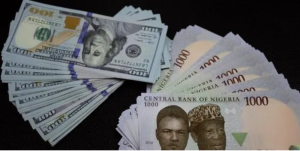
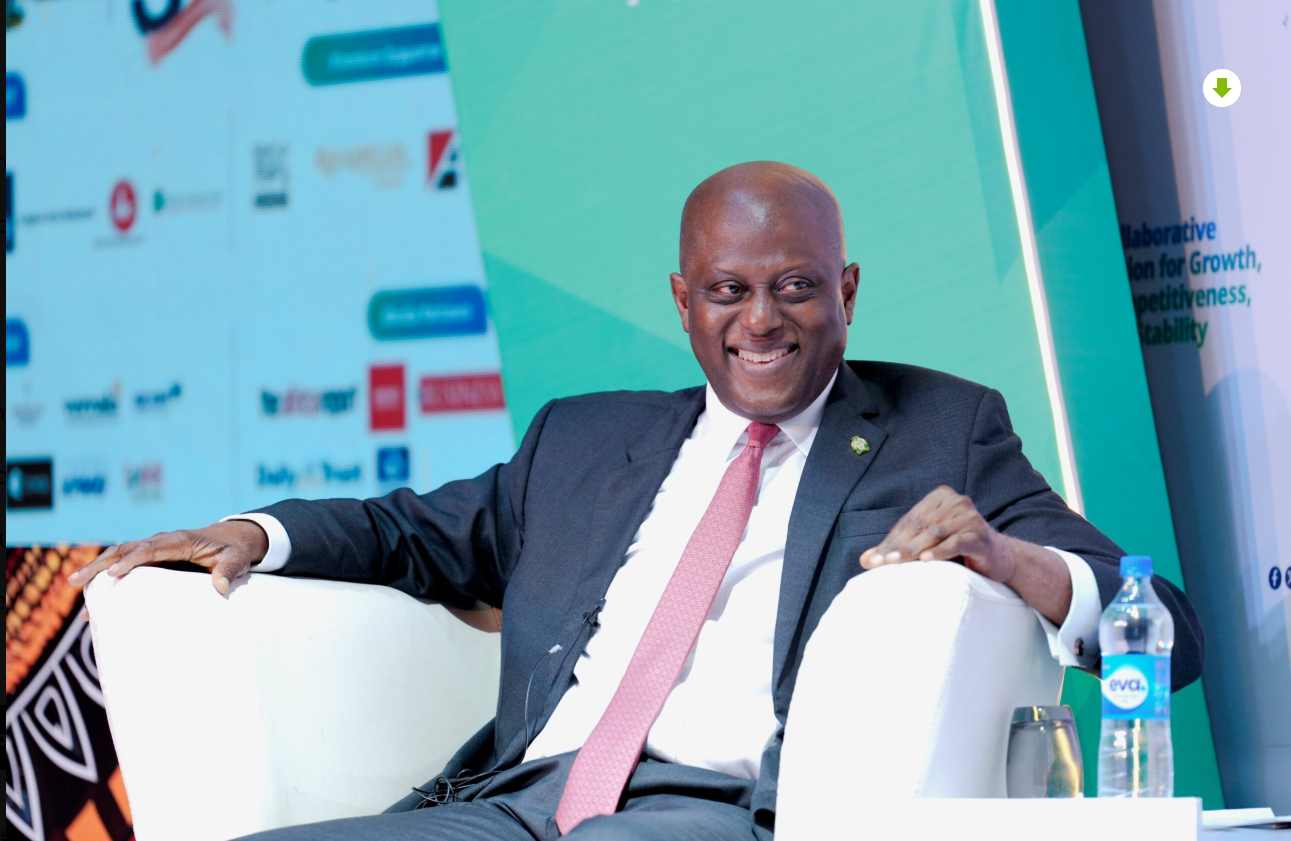
NIGERIA’s EXTERNAL reserves rose to about $49bn as of February 5, 2026, Governor of the Central Bank of Nigeria (CBN) Olayemi Cardoso told members of the National Economic Council Conference (NECC) in Abuja, describing the figure as a signal of improved confidence in the country’s economy.
JKNewsMedia.com reports that Cardoso disclosed the update on Monday during the second edition of the conference, stating that the growth represents a 4.93 percent increase from the last figure of $46.7bn.
“This is obviously a very important statistic. When we took over, the net reserve figure was about $3bn. As at the end of last year, the net reserve figure had gone up strongly into the 30s. And as I said, as of February 5, 2026, it is $49bn. We are now net buyers,” he said.
He stated that the apex bank now allows the foreign exchange market to largely determine prices and buys foreign exchange when necessary, adding that “the premium between the official and parallel market rates has collapsed to under two percent”.
On remittances, Cardoso said, “Remittances have made a big difference to how we have grown our reserves. The diaspora come from every single state represented here. We have engaged with them and made it easier for them to remit money back to Nigeria.”
Calling on leaders to sustain the gains, Cardoso said travellers no longer needed to source foreign exchange separately as he affirms “When people travel now, you don’t have to look for foreign exchange to travel. You use your naira card and pay for whatever you want. Now the naira is more competitive, and people are not afraid to hold naira.
“In those days, if you went around West Africa and gave them naira, nobody wanted to touch it. That has all gone now. There is predictability and you can plan.”
He also cautioned holders of foreign currencies. “Those holding unnecessary foreign exchange reserves are losing money every day,” he said.
Addressing developments in the banking sector, Cardoso said banks are recapitalising while investors are earning positive real returns.
“We all know how important the banking system is. Banks are recapitalising, investors are earning positive real returns, and equity markets are recovering due to improved earnings and stability,” he said, adding that the bank was working towards clear succession rules during leadership transitions.
Reflecting on economic data, Cardoso also described the economy as visibly stable and pointed to a 3.98 percent GDP growth rate, saying it is a strong current account position and a $3.42bn surplus recorded in the third quarter of 2025. He said inflation stood at 15.15 per cent.
“We haven’t had this kind of current account strength in a very long time,” he said.
Cardoso said the CBN had developed a 2026 to 2030 roadmap to ensure productivity and growth. “Without stability, there will be no growth,” he said. “If there is something positive that has come out of this, it is the fact that we now have stability.”
Furthermore, he listed price stability through a gradual move towards inflation targeting, strengthening external reserves and protecting the value of the naira as priorities.
“We will do whatever it takes to safeguard the value of the naira,” he said. “There is still a lot of liquidity in the system and we must manage it very carefully. We are not out of the woods yet.”
On the 2027 general election, he described large spending during election periods as a possible risk to economic stability if not properly managed.
“Monetary policy is necessary, but it is not enough on its own. No central bank can sustainably deliver low inflation where issues like food supply shocks, high energy costs, and poor infrastructure continue to push prices up,” he said.
Also speaking at the meeting, Vice President Kashim Shettima urged governors, ministers and other public officials to pursue inclusive growth that affects daily life.
He said developed economies had moved beyond growth for its own sake to sustainable growth that accommodates all citizens.
“The inclusive growth on our radar is not an exercise in sloganeering. We have confronted the macroeconomic obstacles before us. What remains is to ensure that progress filters down to the everyday lives of our people. This is precisely why the National Economic Council remains the most suitable vehicle for delivering the promise of inclusive growth,” he said.
“Our mission is incomplete if a child born in Lafia does not have the same chance to thrive as one born in Lagos; if the farmer in Makurdi, the entrepreneur in Aba, and the student in Sokoto cannot all find dignity, opportunity, and hope within the Nigerian dream.”
Shettima described the conference as an opportunity to onboard new governors and deepen shared understanding of the council’s role, urging participants “to be bold in thought, courageous in questioning the status quo, and resolute in crafting an implementable roadmap that speaks not just to growth, but to growth that is inclusive, sustainable, and transformative”.
Separately, the Senate Committee on Appropriations said there is no alternative to borrowing to fund Nigeria’s budget deficit.
Chairman Senator Solomon Olamilekan Adeola spoke during a public hearing in Abuja on the proposed N25.91trn deficit in the N58.472trn 2026 budget.
“Many countries in the world including the United States of America, run budget deficits on yearly basis and even fund the deficit with borrowing.
“For us in Nigeria, we cannot do without borrowing as far as funding budget deficit is concerned because projected revenues are not constant to bridge the gaps,” he said.
Adeola said government is avoiding excessive domestic borrowing and exploring external financing, Eurobonds, asset sales and privatisation. He added that subsidy removal in the electricity sector may be considered.
“We must complete the unbundling and subsidy removal in the electricity sector. States are now empowered to generate power, but subsidy in that sector remains a major fiscal burden. It must be fully addressed,” he said.
JKNewsMedia.com also reports that an economic expert Dr Adetilewa Adebayo, told the session that “Nigeria’s asset is estimated to be about N300trn while her debt profile is N150trillion,” and called for stricter implementation of the Fiscal Responsibility Act as the Accountant-General of the Federation, Shamseldeen Olujimi, urged a shift to impact focused budgeting.
“The real question is no longer how much we allocate, but what changes in the lives of Nigerians because of these allocations,” he said.