By Joke Kujenya
ABOUT TO be introduced for implementation, Nigeria’s new tax reform is designed to make life easier for both citizens and businesses.
It simplifies taxes, reduces duplication, and ensures fairness, said Taiwo Oyedele, Chairman, the Presidential Fiscal Policy and Tax Reforms Committee (PFPTRC).
Come January 2026, under the new law, small businesses and low-income earners will pay little or no tax, while high-income earners contribute more.
He said the government has removed several unpopular taxes such as those on airtime, data, and imported food and medicines. Companies will now pay lower corporate tax rates, and a single Nigeria Revenue Service will handle tax collection more transparently.
Oyedele then urged journalists across the country to help simplify and disseminate the tax reform messages in Nigeria’s major local languages to ensure inclusivity and public understanding.
He said the committee’s goal is to make sure “no Nigerian is left behind in understanding the purpose and benefits of the tax reforms.”
These reforms aim to strengthen the economy, create jobs, and improve public services, he emphasized.
Moreover, citizens are encouraged to learn about the changes and pay taxes correctly to support national development, he affirmed.
For accurate information, he urged Nigerians to visit fiscalreforms.ng or contact the Presidential Fiscal Policy and Tax Reforms Committee through official channels rather listen to uninformed hearsays which leads to panic for many of them.
Contents of the tax reforms have been translated into Nigeria’s main local languages to ensure every citizen can understand them clearly:
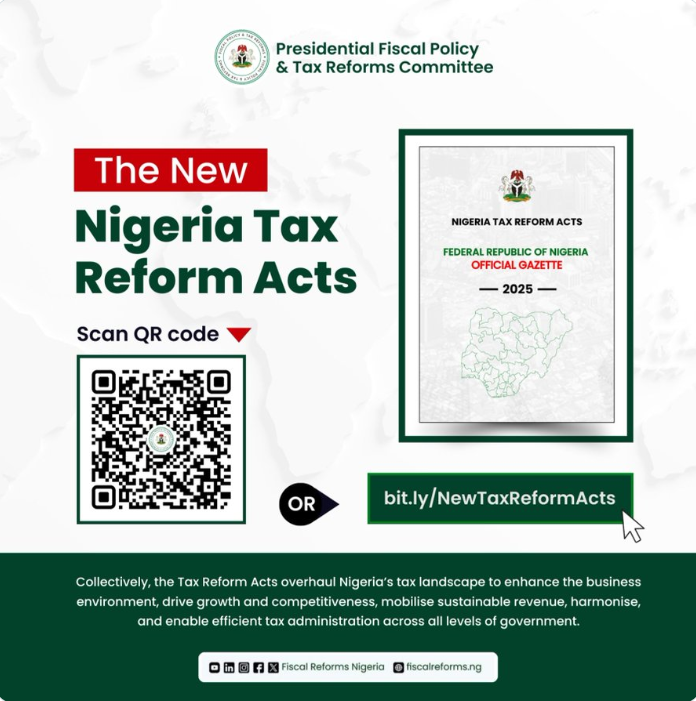 Yoruba: Ìtàn Ìmọ̀ràn Ìdájọ́-ori tuntun Ní Naijíríà (Your Guide To The New Tax Reforms In Nigeria)
Àwọn àtúnṣe orí tuntun ní Naijíríà ni láti mú ìrísí orí rọrùn fún gbogbo ènìyàn àti àwọn oníṣòwò kékeré. Ìjọba ti dín ìye orí kù, ti pa orí tó pọ̀ jù lọ, tí ó sì jẹ́ kó dára fún àwọn tó ń ṣiṣẹ́ ní kíkún.
Kékeré àti àwọn tó ń rí owó díẹ̀ kì yóò san orí, ṣùgbọ́n àwọn tó ń rí owó púpọ̀ yóò san díẹ̀ síi. Ìjọba tún ti fagilé orí tó wà lórí foonu, data, àti àwọn nǹkan ìbílẹ̀ tí wọ́n ń wọlé.
Àwọn orí ilé-iṣẹ́ ti dín kù, tí orí yóò sì jẹ́ ohun tó dára àti mọ́tọ̀. Ìjọba fẹ́ kí gbogbo aráàlú mọ̀ nípa ìtúnṣe yìí, kí wọ́n sì máa san orí ní òtítọ́ fún ìdàgbàsókè orílẹ̀-èdè.
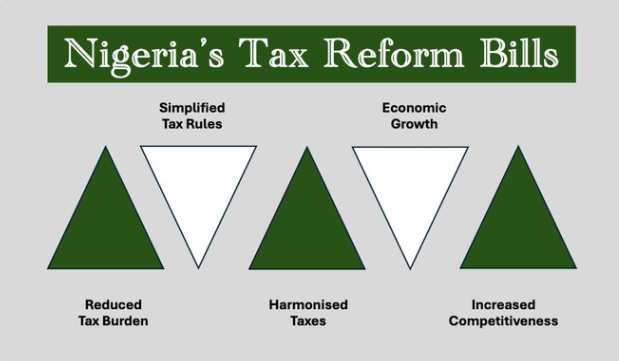
Igbo: Nkwupụta Mmụta Maka Mmezi Uzo Isi Ego Na Naịjiria (Your Guide To The New Tax Reforms In Nigeria)
Mmezi isi ego ọhụrụ na Naịjiria bụ iji mee ka ịkwụ ụgwọ dị mfe, kwụsie ike, ma bụrụ nke ezi omume. Ụlọ ọrụ pere mpe na ndị na-enwetaghị ego buru ibu agaghị akwụ ụgwọ isi, ebe ndị bara ụba ga na-akwụkwuo.
Gọọmenti ewepụla ụtụ ndị na-ezighị ezi dịka ụtụ data, ekwentị, na ngwaahịa nri. Ụlọ ọrụ ga-akwụ obere ụtụ ma nwee usoro otu Nigeria Revenue Service ga-achịkọta ego n’ụzọ doro anya.
Mmezi a bụ iji wulite akụ na ụba, mepụta ọrụ, ma mee ka ndụ ndị mmadụ ka mma. Ndị mmadụ kwesịrị ịmụtakwu banyere iwu ọhụrụ a ma kwụọ ụtụ n’ụzọ ziri ezi iji nyere mba aka.
Hausa: Bayani Na Fitar Da Sabon Tsarin Haraji A Najeriya (Your Guide To The New Tax Reforms In Nigeria)
Sabon tsarin haraji a Najeriya an kirkireshi ne domin sauƙaƙa biyan haraji ga ‘yan kasuwa da talakawa. Ƙananan masana’antu da masu ƙaramin albashi ba za su biya haraji ba, sai masu kuɗi da yawa ne za su fi bayarwa.
Gwamnati ta soke haraji da yawa kamar na waya, bayanai (data), da kayan abinci. An rage harajin kamfanoni kuma an kafa hukumar guda ɗaya ta Nigeria Revenue Service don karɓar haraji cikin gaskiya.
Wannan gyaran zai taimaka wajen ƙarfafa tattalin arziki, samar da ayyukan yi, da inganta rayuwar jama’a. Ana ƙarfafa ‘yan kasa su koyi sabon tsarin kuma su biya haraji yadda ya dace domin cigaban kasa.