By Jemimah Wellington, JKNewsMedia Correspondent
A MAJOR European Union (EU) funding package aimed at strengthening Nigeria’s healthcare system and broader economy was unveiled in March 2026, with officials confirming a combined investment of up to €290 million under the bloc’s Global Gateway strategy.
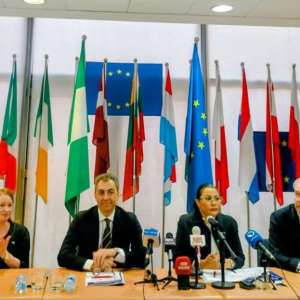
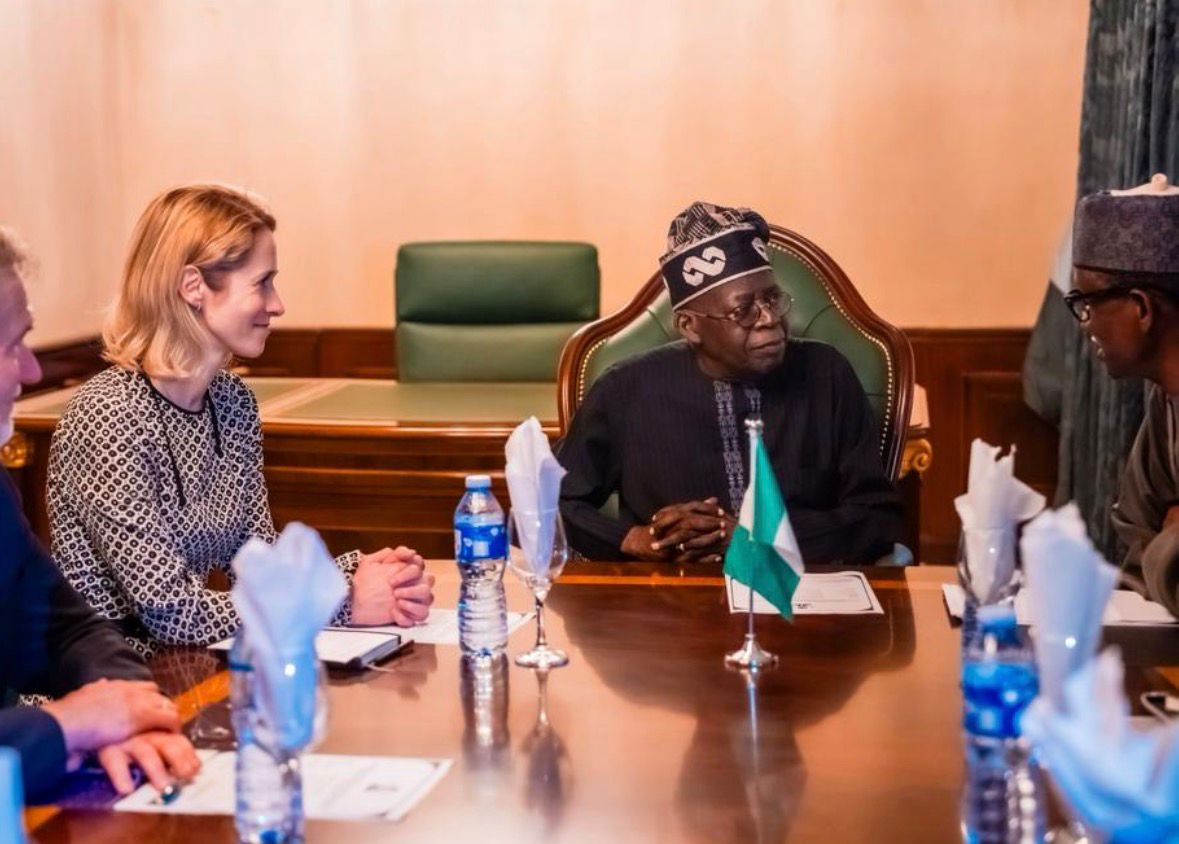
JKNewsMedia.com reports the announcement was made during the Eighth Nigeria-EU Ministerial Dialogue held in Abuja, where both sides on Monday, outlined renewed cooperation priorities spanning healthcare, agriculture, digital infrastructure, and migration management.
According to an official EU programme communication released following the dialogue, the funding is designed to “strengthen local manufacturing, improve infrastructure, and address critical workforce gaps” across Nigeria’s key sectors.
Health sector takes centre stage
A significant share of the package is directed at Nigeria’s healthcare system, which EU officials described as under pressure from workforce shortages and limited local production capacity.
The EU confirmed that about €55 million has been earmarked for health-related interventions, including support for local manufacturing of medicines and vaccines, as well as the strengthening of training institutions.
Within that allocation, €50 million is set aside as a lending facility through the Bank of Industry (BoI) to finance healthcare manufacturing projects. Another €5 million has been dedicated specifically to training programmes across the health, pharmaceutical, and nutrition sectors.
In addition, €3.8 million will go towards equipping health training institutions, with the aim of improving the quality of education and expanding the pipeline of skilled professionals.
EU officials noted in the release that these interventions are intended to “enhance institutional capacity, improve access to essential services, and build sustainable health systems.”
Addressing workforce and capacity gaps
The funding intervention comes at a time when Nigeria continues to grapple with a shortage of trained medical personnel and an overstretched public health system, particularly in rural and underserved areas.
By targeting skills development and local production, the EU said the programme seeks to reduce dependence on imported medical supplies and expertise, while strengthening Nigeria’s ability to respond to future health emergencies.
Broader investment across key sectors
Beyond healthcare, the EU outlined additional allocations across other strategic sectors.
According to the programme details, €131 million has been committed to digital infrastructure, including the expansion of fibre-optic networks to improve connectivity and support Nigeria’s digital economy.
Agriculture will receive €85 million, with a focus on value chains such as cocoa and dairy, while €16 million has been earmarked for migration management initiatives.
The EU said these investments are structured to drive inclusive economic growth, create jobs, and deepen resilience across Nigeria’s economy.
Part of wider EU-Nigeria partnership
The March 2026 commitments form part of the EU’s Global Gateway initiative – a broader framework aimed at mobilising sustainable investments in partner countries.
Officials added that, when combined with earlier agreements, total “Team Europe” support to Nigeria since 2025 has reached approximately €962.5 million.
The bloc described the latest package as a continuation of its long-standing development cooperation with Nigeria, focused on human capital development, industrial capacity, and infrastructure expansion.
Why it matters
JKNewsMedia.com reports that the EU-backed investment is expected to improve healthcare access and service delivery, strengthen local pharmaceutical production, and reduce systemic pressure on Nigeria’s medical infrastructure.
It also signals deepening economic ties between Nigeria and the European Union, with both parties positioning the partnership as a vehicle for sustainable growth and long-term resilience.