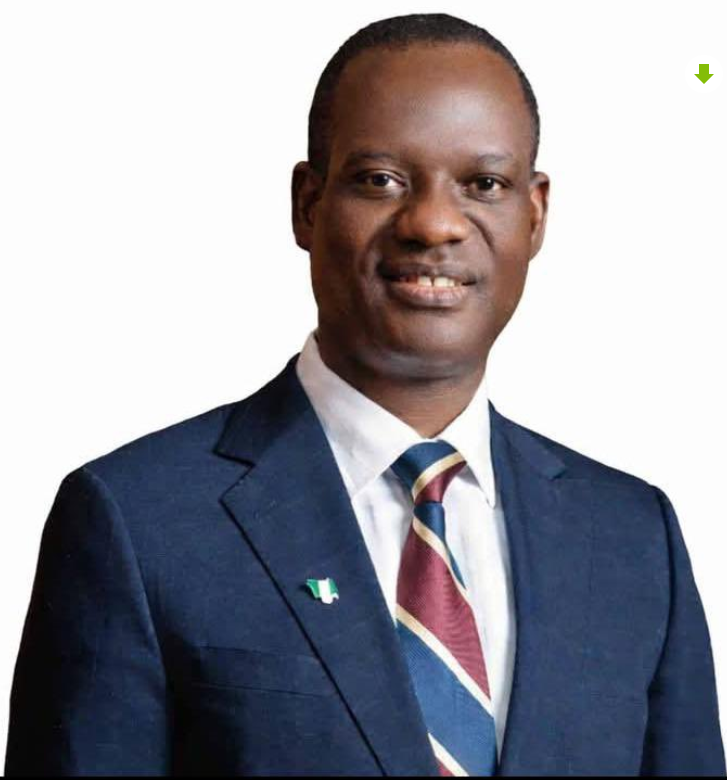
By Taiwo Oyedele, Federal Minister of Finance
“AS OF May 2023, Nigeria was amber, waiting to turn red. Nigeria was trading a negative balance of payments. Nigeria had printed about 30 trillion naira to spend.
“The government spent 97 percent of federal revenue on debt servicing. Everything from salaries to overhead to capital expenditure was borrowed. The borrowing was done at high interest rates in the twenties”.
“I always promise you that I will be honest with you. Whether you like the outcome or not is a different thing, but I will be honest with you.
Many people asked during the recent Nigeria Bar Association (NBA) conference in Lagos if life today is better than it was three years ago. The answer is no. But the problem is not with the answer.
The problem is with the question.
The question assumes that if nothing had changed since May 2023, life today would remain the same as it was three years ago. That petrol prices, food prices, and exchange rates would remain the same.
That is the biggest fallacy.
As of May 2023, Nigeria was amber, waiting to turn red. Nigeria was trading a negative balance of payments. Nigeria had printed about 30 trillion naira to spend.
The government spent 97 percent of federal revenue on debt servicing. Everything from salaries to overhead to capital expenditure was borrowed. The borrowing was done at high interest rates in the twenties.
▪️ Nigerian National Petroleum Corporation (NNPC) was supposed to remit funds to the federation account but instead said the government owed them money.
▪️ NNPC used its revenue to subsidize Premium Motor Spirit (PMS).
▪️ It lifted crude meant for royalties, sold it, and used the proceeds to subsidize PMS.
▪️ It informed FIRS that it could not pay taxes and added those obligations to subsidy.
When that was still not enough, NNPC used official crude oil production as collateral to borrow dollars at double digit interest rates to fund PMS subsidy.
At that point, Nigeria could barely boast of about 200,000 barrels per day that was unencumbered.
That volume represented less than two months of headroom.
By the end of 2023, if these reforms had not been implemented, Nigeria would not have been able to import refined petroleum products because it cannot print dollars.
The situation would have mirrored what happened in Sri Lanka. You could have money and still be unable to find petrol. Refineries would not function under a system where they sell at 160, 180, or 200 and depend on subsidy payments that the government could not afford.
The economy was already grinding to a halt and the margin of safety was extremely thin.
If the reforms had not been done, the country would have faced continued hardship and eventual economic collapse.
Any attempt to return subsidy is a return to those conditions.
—
Do you have a news tip for JKNewsMedia.com? Please copy and email us at jkmediapress@gmail.com.