By Joke Kujenya
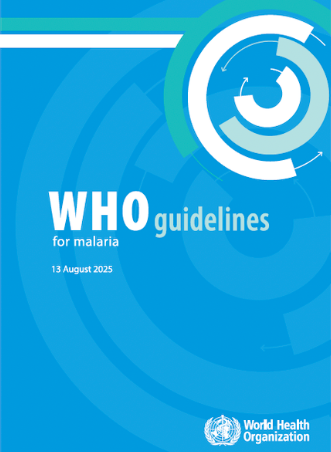
The World Health Organization (WHO) has released updated malaria guidelines setting out strengthened recommendations for prevention, chemoprevention, vaccination and treatment measures.
Published on 13 August 2025, the document provides evidence-based directives designed to help countries adapt malaria control strategies to local epidemiology and emerging resistance patterns.
WHO confirmed in the report that pyrethroid-only long-lasting insecticidal nets (LLINs) remain recommended for malaria prevention in areas with ongoing transmission.
The organisation emphasised that only nets prequalified by WHO should be selected for deployment.
Also, the guidelines highlighted their effectiveness where malaria vectors bite predominantly at night and recommended continued use of nets until replacement becomes available.
Addressing insecticide resistance, WHO recommended deployment of pyrethroid-chlorfenapyr insecticide-treated nets (ITNs) instead of pyrethroid-only LLINs for populations exposed to resistant mosquito vectors.
The global health organ also noted that these nets provide added protection but acknowledged higher costs and limited evidence from trials.
Conditional guidance was also issued on pyrethroid-pyriproxyfen and pyrethroid-PBO ITNs, with cost-effectiveness and durability identified as major considerations.
Another important point stressed was Indoor Residual Spraying (IRS) which the WHO says continues to be recommended for malaria prevention, with WHO stressing the use of prequalified insecticide products matched to local mosquito susceptibility.
The guidelines further advised that, where possible, programmes should prioritise achieving high-quality coverage of either IRS or ITNs rather than combining both, unless additional resources are available to sustain joint deployment.
For supplementary measures, WHO conditionally endorsed larviciding in areas where mosquito breeding sites are few, fixed and identifiable, such as urban settings.
The organisation also noted that spatial emanators may be used as an additional control measure, but their effectiveness depends on continuous coverage and local vector characteristics.
Other approaches, including topical repellents, insecticide-treated clothing and space spraying, were not recommended for community-level malaria prevention due to limited evidence of impact as recommended by the WHO.
On preventive chemotherapies, the updated guidance reaffirmed intermittent preventive treatment in pregnancy (IPTp) using sulfadoxine-pyrimethamine (SP) as a highly cost-effective intervention.
WHO also recommended seasonal malaria chemoprevention (SMC) for young children in high-risk areas and post-discharge malaria chemoprevention (PDMC) for children recovering from severe anaemia in malaria-endemic regions.
Intermittent preventive treatment for school-aged children was conditionally endorsed, subject to resource availability and alignment with broader programme priorities.
Malaria vaccination is strongly recommended for children in endemic areas, WHO advised as a four-dose schedule starting from five months of age, with a possible fifth dose in areas of highly seasonal transmission.
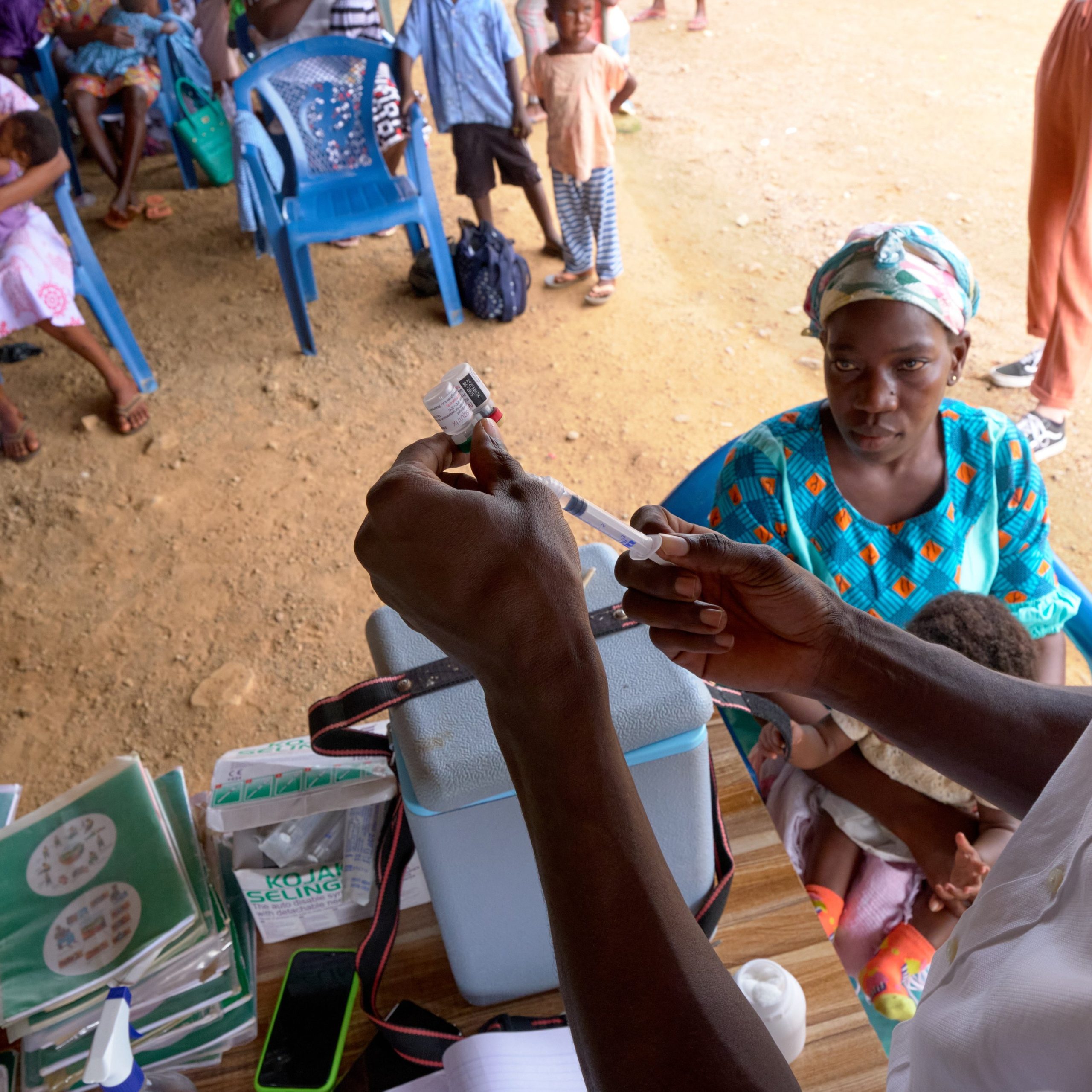
The guidelines further confirmed that vaccines should be integrated with existing prevention and treatment strategies to achieve maximum impact.
For treatment, WHO maintained artemisinin-based combination therapies (ACTs) as the standard for uncomplicated Plasmodium falciparum malaria, adding artesunate-pyronaridine to the list of recommended options.
The organisation advised that treatment regimens provide three days of artemisinin derivative therapy, with adjusted dosages for children.
It also notes that intravenous or intramuscular artesunate remains the first-line option for severe malaria, including in infants and pregnant women.
Special provisions were outlined for groups at increased risk. Pregnant women in their first trimester should receive artemether-lumefantrine, while infants under 5kg should receive weight-adjusted ACT doses.
WHO also provided updated recommendations on testing for glucose-6-phosphate dehydrogenase (G6PD) deficiency to guide safe use of anti-relapse therapies such as primaquine and tafenoquine for Plasmodium vivax and Plasmodium ovale infections.
In elimination settings, WHO advised against mass testing and treatment but supported reactive drug administration and reactive case detection for people residing with or near confirmed cases.
The organisation also recommended that malaria vaccines, ITNs, chemopreventive medicines and case management be applied in complementary mixes based on local transmission intensity and health system capacity.
WHO stated that its evidence-based recommendations must be adapted by national programmes to local conditions and confirmed the guidelines will be regularly updated online.