By Joke Kujenya
DENTAL CARIES, also known as tooth decay, has emerged as the most widespread noncommunicable disease globally, affecting an estimated 2.5 billion people and continuing to place a heavy burden on health systems.
According to the World Health Organization (WHO), the disease, though preventable, persists across all age groups and can cause severe pain, difficulties with eating, tooth loss, and long-term reductions in quality of life.
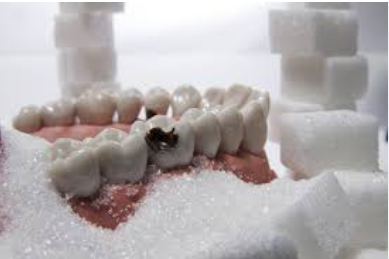
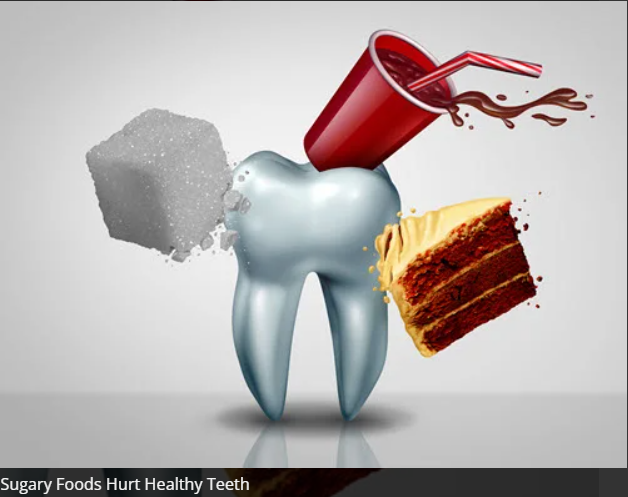
The organisation stated that consumption of free sugars in foods and drinks remains the primary driver of dental caries, with evidence linking sugar intake not only to oral health problems but also to obesity and other noncommunicable diseases.
WHO recommends that sugar consumption should remain below 10% of daily energy intake and ideally under 5%. It further advises that children under two years of age should not consume any sugar-sweetened beverages.
The global health body explained that untreated dental caries continues to affect children and adults alike, disrupting education and work productivity.
In children, the disease is a leading cause of missed school days, while in adults, it has been linked to lost employment opportunities and diminished productivity.
For families in low-income settings, untreated caries often results in the extraction of teeth when pain or infection develops, since preventive and restorative care is either unavailable or unaffordable.
WHO further noted that in 2019, global direct expenditure for oral diseases across its 194 Member States stood at US$387 billion, equivalent to about 4.8% of total health spending.
Productivity losses attributed to oral diseases added another US$323 billion globally, making dental caries not only a public health challenge but also a significant economic burden.
The organisation emphasised that cost-effective interventions are available, including the use of fluoride toothpaste, early dental visits, and minimally invasive treatments that can be provided at primary healthcare level without specialist equipment.
However, prevention is critical, particularly in countries where access to affordable dental care is limited.
WHO also stressed the importance of tackling the commercial determinants of oral health.
It also cited the influence of aggressive marketing and sales strategies by private actors promoting foods and drinks high in sugars, which disproportionately affect vulnerable and marginalised communities.
Also, Socioeconomic factors were highlighted as key determinants, with poorer populations, people living with disabilities, older persons, and those in remote areas facing higher risks of untreated caries and its complications.
Policy measures then recommended by WHO include taxation of sugar-sweetened beverages, reformulation of food products to lower sugar content, clearer nutrition labelling, restrictions on marketing sugary products to children, and public procurement rules to reduce the availability of high-sugar foods in schools and public institutions.
The WHO stated that such interventions, alongside integration of oral health services into universal health coverage, would help reduce inequalities in oral care access and improve population health outcomes.
It recalled that the global strategy on oral health, adopted by WHO in 2022, and the Global Oral Health Action Plan 2023–2030, outline steps for governments, civil society, and private sector stakeholders to scale up prevention and integrate oral health into broader health agendas.
As part of this framework, countries are urged to prioritise oral health within national health benefit packages, WHO says.
For many individuals, the realities of untreated dental caries are felt daily.
Speaking with JKNewsMedia via phone from Port Harcourt, Nigeria, 17-year-old student, Grace Nwachukwu said she missed several weeks of school earlier this year after developing severe toothache caused by untreated cavities.
Her mother, Patience Nwachukwu corroborated that they could not afford private dental treatment and had to rely on periodic extractions at a local clinic.
She said the costs strained the family budget, and Grace’s prolonged absence from class affected her learning.
Based in Abuja, Nigeria’s Federal Capital Territory (FCT), a warehouse worker, Alan Phillips, said he recalled losing two teeth in his thirties due to untreated decay.
He admitted he had delayed visiting a dentist for years because he feared the costs involved after losing his job.
The experience, he said, not only caused him constant pain but also made him self-conscious at work until he accessed restorative care through Nigeria’s National Health Service, he told JKNewsMedia.
In its submission, WHO reiterated that many oral diseases, including dental caries, can be prevented and controlled through affordable measures.
The organ underpinned that protecting children and communities from excessive sugar consumption is one of the most effective strategies available, with far-reaching benefits for both oral and general health.