By Fatima Idera, JKNewsMedia
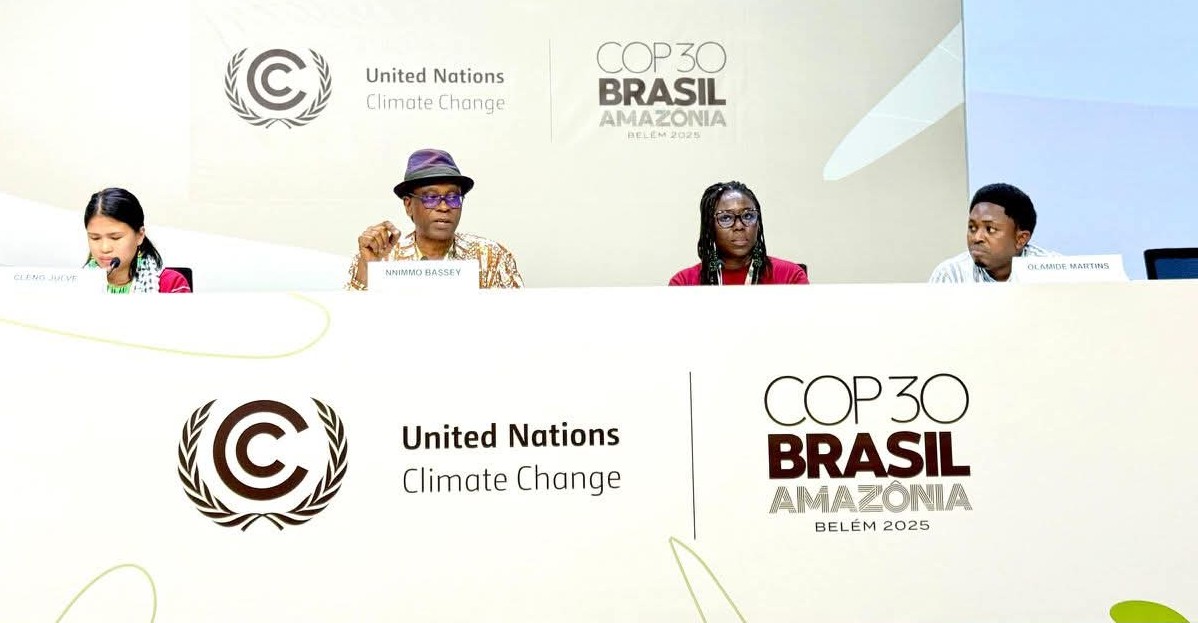
GROWING CRITICISM met the launch of the Tropical Forest Forever Facility (TFFF) on the sidelines of the United Nations Climate Change Conference (COP30) in Belém, Brazil, as the Africa Make Big Polluters Pay (MBPP) Coalition issued a firm rejection of the proposal, describing it as a dangerous attempt to financialise nature under the banner of forest protection.
Momentum around the new $125 billion blended-finance initiative quickly gave way to dissent in a detailed statement released on Monday, where the coalition warned that the design and structure of the TFFF fail to offer meaningful climate finance for countries already facing intensified climate impacts.
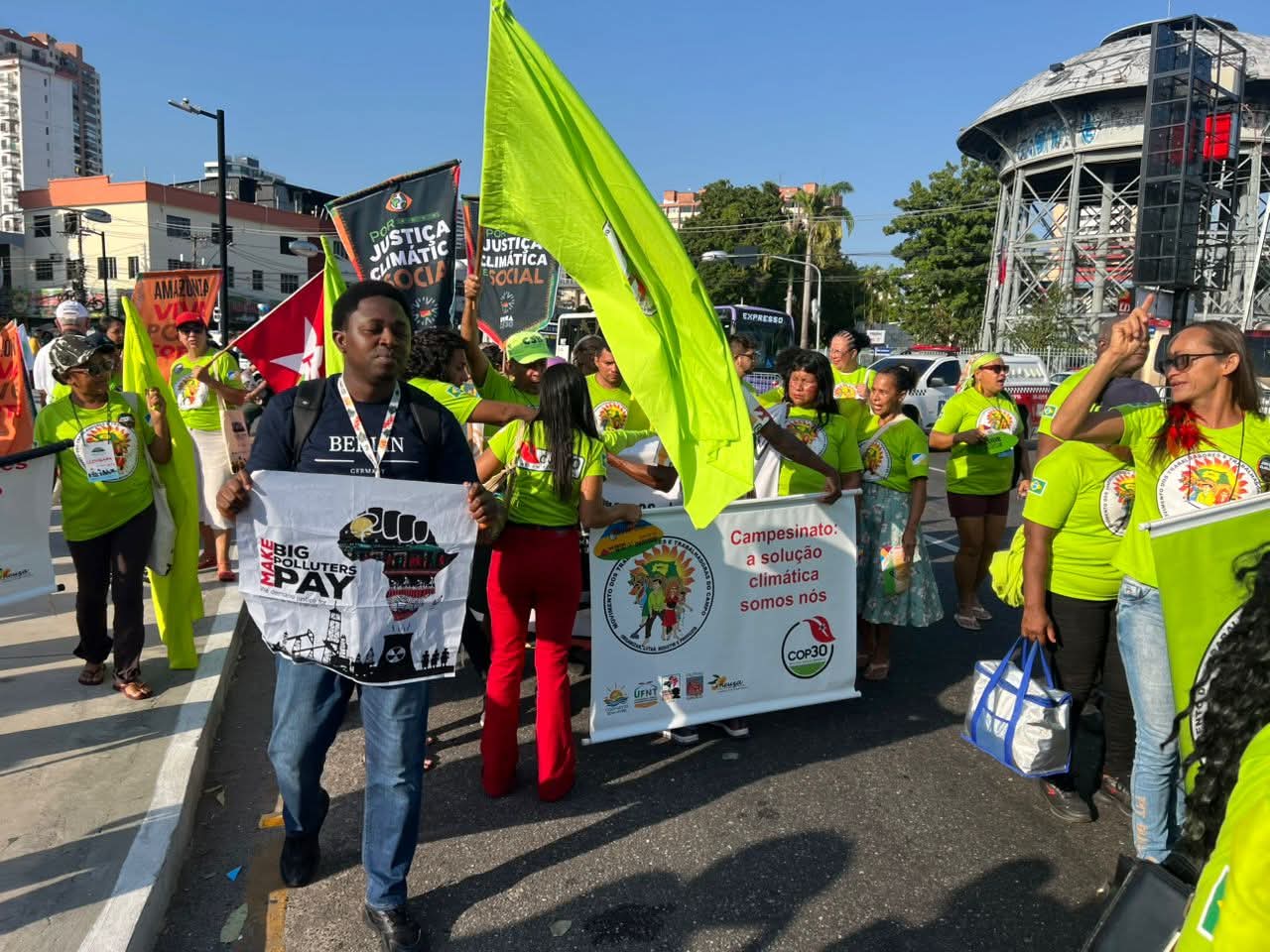
The coalition, which consists of more than 32 organisations, including Corporate Accountability and Public Participation Africa (CAPPA), Gender CC Southern Africa, the Global Forest Coalition (GFC), and other civil society groups across the continent, restated its commitment to holding major polluters accountable and scrutinising the underlying motives of global climate-finance mechanisms.
The coalition stated that the TFFF, promoted as an innovative approach to reward countries for conserving their forests, reduces entire ecosystems to tradable commodities under the control of powerful financial institutions.
It warned that the model replicates the corporate-driven structures that contributed to deforestation, exploitation, and widening inequality.
According to the statement, excitement surrounding the TFFF is misplaced, as the fund introduces a system that commodifies living forests and weakens Indigenous stewardship.
The coalition stressed that the framework erodes the principles of climate justice it claims to protect.
Concerns heightened over the risks the Facility poses to African countries, which host some of the most biodiverse forest landscapes and vulnerable communities.
The coalition argued that the structure of the fund increases financial dependence and undermines national sovereignty over forest resources.
It highlighted that Nigeria, Angola, Benin, Cameroon, Côte d’Ivoire, Equatorial Guinea, Ghana, Liberia, Mozambique, Rwanda, Sierra Leone, Togo, and Uganda are being encouraged to adopt a system designed to prioritise investor gains over community needs.
The statement argued that the TFFF introduces additional bureaucracy and financial engineering instead of channeling real climate finance.
The coalition said its model centres on a large investment fund where returns to investors take precedence over payments to participating countries.
This setup, the coalition noted, expands corporate influence and sidelines frontline communities whose contribution to protecting biodiversity remains essential but unrecognised.
At the core of its concerns is the proposed annual payment of about US$4 per hectare for standing forests, which it described as a negligible value when measured against the wider ecological and cultural importance of tropical forests or the financial effort involved in community-led conservation.
The coalition added that the TFFF does not support implementation of the Paris Agreement nor Africa’s forest restoration ambitions. Instead, the structure redirects attention and resources away from community-driven climate actions towards opaque financial schemes managed externally.
Their statement also argued that such schemes replace public accountability with private interests, further disconnecting decision-making from the communities safeguarding forest ecosystems.
Detailed criticism was also directed at the financing framework of the Facility.
The coalition said the TFFF operates more like an investment mechanism than a climate-response tool, noting that forest payments depend on the performance of the facility’s investment portfolio.
Countries, according to the coalition, would receive only residual funds left after fulfilling investor obligations. It called this arrangement a form of privatised forest finance based on speculation, not sustainability.
The coalition contrasted the Facility’s projected contribution with global military spending. It said that redirecting just 1 percent of the world’s annual military budgets, estimated at $2.7 trillion, would generate approximately $27 billion in climate finance each year—over six times the amount proposed through what it described as a risky, market-based model.
The statement, signed by Robert Egbe, Media and Communication Officer at CAPPA, said this comparison exposes the Facility as a profit-driven venture presented as climate action.
Further objections centred on the decision to appoint the World Bank as trustee of the TFFF. The coalition described the arrangement as regressive and exclusionary, arguing that experience shows the World Bank’s climate-finance role often centralises authority, delays access to funding, and limits participation from frontline communities.
It also said these outcomes would turn the TFFF into another bureaucratic obstacle rather than a solution.
In the words of the Executive Director of CAPPA, Akinbode Oluwafemi, “accountability in climate finance begins with rejecting corporate influence. He warned that the World Bank should not be allowed to transform forest protection into a commercial model.”
Mokoena Ndivile of Gender CC Southern Africa also stressed that forest preservation is linked to survival, dignity, and livelihoods, particularly for women who rely on forests for sustenance and resilience. She warned that placing the Facility under the World Bank risks converting these rights into a tool of financial control.
Kwami Kpondzo of the Global Forest Coalition raised similar concerns, saying the World Bank’s involvement would marginalise Indigenous knowledge and prioritise corporate profit over the needs of forest communities.
He said such an arrangement would weaken local ownership and stewardship.
Furthermore, the coalition stated that the governance framework of the Facility fails to reflect or prioritise the needs of the Global South.
It said the structure for access, monitoring, and oversight is designed for financiers rather than communities. It concluded that the TFFF offers no path to justice and creates an illusion of progress.