By Joke Kujenya
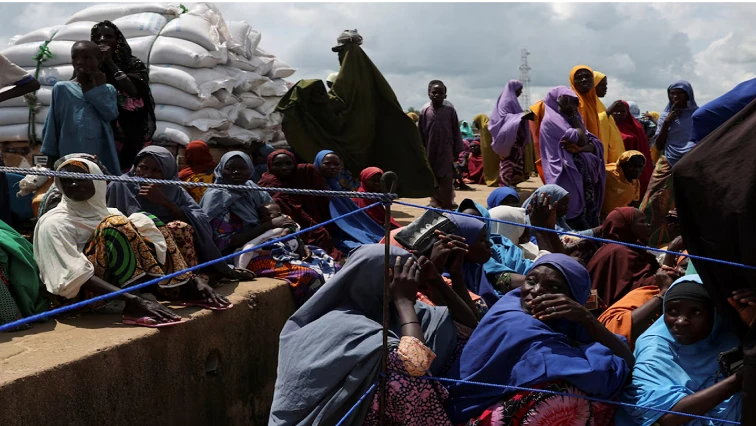
ACUTE HUNGER now threatens millions across Nigeria as shrinking global aid budgets force the United Nations (UN) to scale back humanitarian support, leaving millions of vulnerable people exposed this year.
JKNewsMedia.com reports that the UN, through its Office for the Coordination of Humanitarian Affairs in Nigeria, said about 35 million Nigerians face the risk of acute hunger in 2026, including 3 million children suffering severe malnutrition.
The UN disclosed this on Thursday, 22 January 2026, following what it described as the collapse of global aid budgets adding that the disclosure came during the launch of its 2026 humanitarian plan in Abuja.
Speaking at the event, UN Resident and Humanitarian Coordinator Mohamed Malick Fall said the long dominant foreign led aid model in Nigeria was no longer sustainable, adding that the country’s humanitarian needs had grown.
Fall said conditions in the conflict affected northeast remained dire, with civilians in Borno, Adamawa and Yobe states facing rising levels of violence.
He said a surge in suicide bombings and widespread attacks killed more than 4,000 people in the first eight months of 2025, a figure he said matched the total number of deaths recorded throughout 2023.
Against this backdrop, Fall said the UN could only aim to deliver $516m to provide lifesaving assistance to 2.5 million people in 2026.
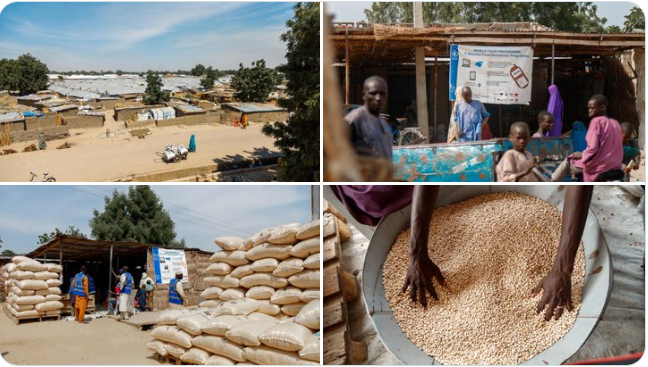
This represents a sharp reduction from 3.6 million people reached in 2025, which he said was itself about half of the level reached the previous year.
“These are not statistics. These numbers represent lives, futures and Nigerians,” Fall said.
He said the reduction in funding left the United Nations with no choice but to prioritise the most lifesaving interventions.
Shortfalls in funding last year also prompted the World Food Programme to warn that millions could face hunger in Nigeria after its resources were exhausted in December as the agency said it was forced to cut support for more than 300,000 children as a result, Fall said.
Despite the challenges, Fall said Nigeria had shown growing national ownership of the crisis response in recent months. He cited local funding for lean season food support and early warning action on flooding as measures taken to respond to humanitarian needs.