By Jemimah Wellington, JKNewsMedia Correspondent
CHAIR, SAMIR Shah, British Broadcasting Corporation (BBC) has formally apologised for an “error of judgement” in how a documentary edited a speech by President Donald Trump, BBC News has confirmed.
The apology follows a letter sent by President Trump threatening legal action against the broadcaster, which the BBC confirmed it has received and intends to respond to in due course.
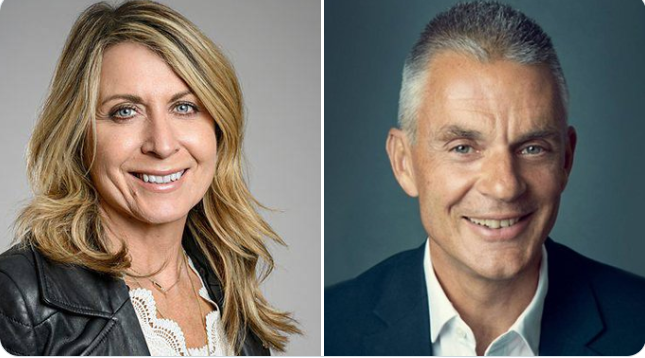
The resignations of Director General Tim Davie and BBC News CEO Deborah Turness were announced on Sunday night after a leaked internal memo criticised the 2024 Panorama programme that broadcast the edited Trump speech.
The memo, authored by former BBC adviser Michael Prescott, stated the programme spliced together two separate parts of Trump’s address, creating the impression that he explicitly encouraged the January 2021 Capitol Hill riots.
Shah addressed MPs on the Culture, Media and Sport Committee in a letter, acknowledging the edit “did give the impression of a direct call for violent action” and apologising for the error.
He later reaffirmed in an interview with BBC Culture Editor Katie Razzall that the organisation has taken action to address issues raised, citing reforms at the BBC Arabic service and the long-form journalism unit, and insisted there is no systemic bias at the broadcaster.
The controversy intensified after President Trump thanked The Telegraph for publishing the leaked memo and described the journalists involved as “corrupt” and “very dishonest.”
Liberal Democrat leader Ed Davey subsequently called on the UK government to defend the BBC, stating in a letter to Prime Minister Keir Starmer and party leaders Kemi Badenoch and Nigel Farage that “it should not be up to foreign powers to dictate where the British people get their news from.
“The BBC belongs to Britain, not Trump. We must defend it together.”
The Panorama programme, titled “Trump: A Second Chance?” featured Trump saying, “We’re going to walk down to the Capitol… and I’ll be there with you. And we fight. We fight like hell.”
Prescott’s memo noted that the sections used in the edit were taken over 50 minutes apart in the original speech, where Trump had said, “We’re going to walk down to the Capitol, and we’re going to cheer on our brave senators and congressmen and women,” with the “fight like hell” remark referencing alleged election corruption.
According to The Telegraph, Prescott described the Panorama edit as a “distortion of the day’s events” that could undermine public trust in the BBC.
He claimed attempts to raise the issue with management were dismissed and criticised the organisation’s handling of complaints, stating he sent the memo “in despair at inaction by the BBC Executive.”
Tim Davie, who joined the BBC in September 2020, accepted responsibility for the mistakes, saying, “Like all public organisations, the BBC is not perfect, and we must always be open, transparent and accountable. While not being the only reason, the current debate around BBC News has understandably contributed to my decision… I have to take ultimate responsibility.”
Turness, a BBC News executive since 2022, acknowledged errors but rejected claims that the corporation is institutionally biased.
The BBC has faced scrutiny over alleged “anti-Israel bias” in coverage of the Gaza conflict by its Arabic service, alongside concerns raised about reporting on trans issues, as highlighted in Prescott’s memo.
The corporation previously issued apologies for flaws in the documentary Gaza: How To Survive A Warzone, broadcast in February, and in October accepted a sanction from the UK media regulator over a “materially misleading” programme featuring a child narrator later revealed to be the son of Hamas’s former deputy agriculture minister.
The edited Trump clip has reignited debate over the broadcaster’s impartiality, given the January 6, 2021 context when Trump sought to challenge President Joe Biden’s election victory.
The inclusion of the “fight like hell” remark in the Panorama documentary, broadcast shortly before last year’s US election, drew accusations that the BBC misrepresented Trump’s intentions and fomented false impressions.
BBC Chair Shah confirmed the board would revisit every item mentioned in Prescott’s memo to ensure comprehensive review. He also stated that the resignations of Davie and Turness had left the board “upset,” but he did not indicate any plans to resign himself.

US White House Reacts
White House Press Secretary Karoline Leavitt highlighted the resignations on social media, posting a screenshot of the BBC announcement and previously condemning the clip as “purposefully dishonestly, selectively edited.”
UK Culture, Media and Sport Minister Lisa Nandy described the allegations as “incredibly serious” and said the BBC had committed to providing a full response to Parliament’s Culture, Media and Sport Committee.
Shah, in his correspondence with MPs, reiterated that the broadcaster had acted on other editorial issues, countering claims of inaction.
Earlier reporting indicated the controversy stems from splicing Trump’s remarks in a way that misrepresented his intent. In the original speech, he encouraged supporters to walk to the Capitol to “cheer on” senators and congress members rather than engage in violence, a distinction obscured in the Panorama documentary.
The dispute has raised broader concerns about journalistic standards, editorial oversight, and the balance between public service broadcasting and accountability.
The BBC is funded by a licence fee paid by UK viewers and has faced repeated challenges over perceived bias, including in domestic and international reporting.
Shah’s apology emphasised that the organisation recognises the significance of editorial decisions and their impact on public trust.
He described the Panorama edit as an “error of judgement” but rejected assertions that the BBC has systemic bias, noting ongoing reforms across various divisions, including its long-form journalism and international services.
President Trump’s legal threat underscores the tension between the BBC’s editorial independence and scrutiny from both domestic and international actors.
Shah indicated that the broadcaster would respond to Trump’s letter through appropriate channels while maintaining the institution’s commitment to editorial standards and impartial reporting.
The resignations of Davie and Turness mark a rare moment of executive accountability at the BBC, reflecting both internal and external pressures.
In statements accompanying their departures, both acknowledged editorial errors while highlighting ongoing initiatives to ensure transparency and trustworthiness in BBC journalism.