
By Ajibola Olaide, JKNewsMedia Reported
WARNINGS OVER the health implications of mandatory fortification of bouillon cubes have intensified as Corporate Accountability and Public Participation Africa (CAPPA) urged the Federal Government to reconsider policies that could encourage greater consumption of ultra processed foods.
JKNewsMedia.com reports that the organisation issued the warning as Nigeria joins the rest of the world to mark World Heart Day (WHD), observed every September 29, with this year’s theme, “Don’t Miss a Beat”, focused on recognising hidden, overlooked or dismissed signs and symptoms of cardiovascular disease early.
CAPPA said Nigeria is already facing a worsening unhealthy food environment, with ultra processed foods increasingly embedded in everyday diets and aggressively marketed across communities.
Its *Junk on Our Plates* report, based on monitoring across seven states, documented the use of advertising, cultural imagery, celebrity endorsements, pricing strategies and product placement by food and beverage companies to promote products high in sugar, salt and unhealthy fats, particularly among children, young people and low income communities.
The organisation said diets high in salt, added sugars, saturated fats and other chemical additives are associated with obesity, hypertension, diabetes, kidney diseases and cardiovascular diseases, including heart disease and stroke.
CAPPA identified excessive sodium consumption as a particular concern because of its contribution to high blood pressure, one of the major risk factors for cardiovascular disease.
The World Health Organisation (WHO) recommends that adults consume less than 2,000mg of sodium per day, equivalent to less than 5g of salt, and estimates that excessive sodium intake is associated with about 1.7 million deaths globally each year.
The organisation also noted that excessive sodium consumption is associated with kidney disease, adding to what it described as an already serious health challenge.
CAPPA said the situation should make sodium reduction a public health priority in Nigeria, particularly as the country continues to face gaps in specialised healthcare capacity and infrastructure needed to prevent and treat cardiovascular and kidney diseases.
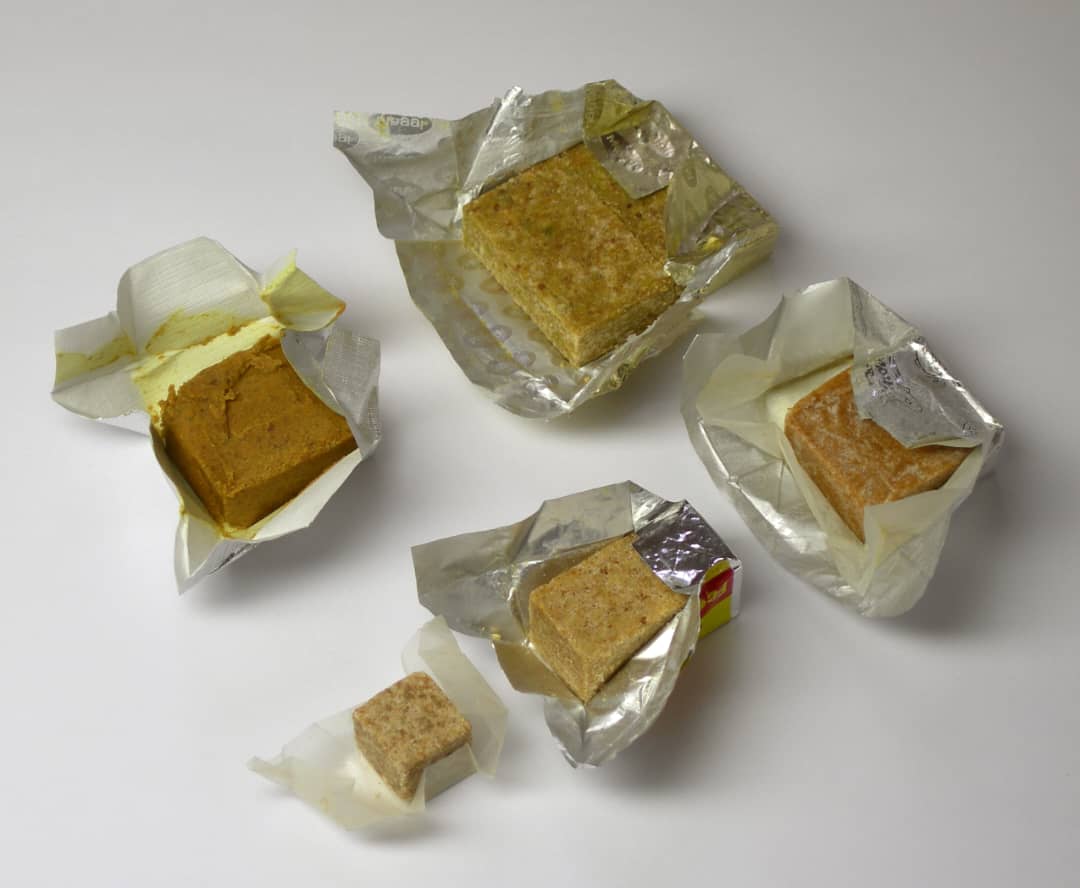
Against this backdrop, the organisation raised concerns about proposals to make the fortification of ultra processed products such as bouillon cubes a mandatory nutrition intervention.
CAPPA argued that adding vitamins and minerals to an ultra-processed food does not make the product healthy or eliminate excessive sodium, sugar or trans fats that may be present in it.
The organisation also rejected the argument that the widespread consumption of bouillon cubes makes them an appropriate vehicle for mandatory fortification.
It said frequent consumption of a product by millions of Nigerians should prompt policymakers to examine its nutritional composition and potential health effects more carefully, rather than automatically making it the preferred vehicle for delivering additional nutrients.
CAPPA further warned that increasing the nutritional appeal of a heavily consumed processed product without addressing its sodium content could send contradictory signals to consumers and undermine efforts to reduce salt consumption.
The organisation called for nutrition policies that address Nigeria’s double burden of malnutrition and diet related non communicable diseases without solving one problem in ways that could intensify another.
It urged the FG to prioritise access to diverse, affordable and nutritious foods, including vegetables, fruits, legumes, whole grains and other locally available foods, while strengthening policies to reduce excessive sodium, sugar and unhealthy fats in processed foods.
CAPPA also called for stronger implementation of Nigeria’s sodium reduction measures, mandatory and easily understandable front of pack warning labels, effective regulation of unhealthy food marketing and other policies designed to enable Nigerians to make healthier choices.
According to the organisation, public health policy should not force Nigerians to choose between obtaining essential micronutrients and protecting themselves from excessive sodium and other nutrients of concern.
“Nigerians should be able to flavour their food without compromising their health,” CAPPA Executive Director, Akinbode Oluwafemi, said.
“The widespread use of bouillon cubes is not a justification for exposing consumers to more sodium or for presenting ultra processed products as solutions to Nigeria’s nutrition challenges.
“Protecting the heart also involves protecting the food environment. Adding micronutrients to an unhealthy product does not make it healthy. Government must prioritise policies that make nutritious, minimally processed foods accessible and affordable, while reducing Nigerians’ exposure to excessive salt, sugar and unhealthy fats.”
JKNewsMedia.com also reports that CAPPA further urged the FG and the Federal Ministry of Health and Social Welfare to ensure that nutrition and food policies are guided by independent public health evidence and the long term interests of Nigerians.
“Every Nigerian deserves food that nourishes rather than food that comes with a hidden health cost,” the organisation said.
“The way to address micronutrient deficiencies is to expand access to nutritious diets and evidence based interventions, not to make unhealthy food appear healthier.”
—

Share Your Story with us!
Advertise with us!
Publicity for a product, service, or event!
Contact: WhatsApp Only: +2348039560647
Email: jkmediapress@gmail.com