By Joke Kujenya
GLOBAL CHOLERA statistics released by the World Health Organization (WHO) show that the disease has killed more people for the second consecutive year, with over 6,000 deaths recorded in 2024 despite cholera being both preventable and treatable.
The new data revealed that reported cholera cases rose by 5 per cent and deaths increased by 50 per cent compared to 2023, underscoring the widening burden of the disease across continents.
WHO stated that the figures remain actual underestimates of the true global impact.
The organisation reported that conflict, climate change, population displacement, and persistent deficiencies in water, sanitation, and hygiene infrastructure continue to drive outbreaks.
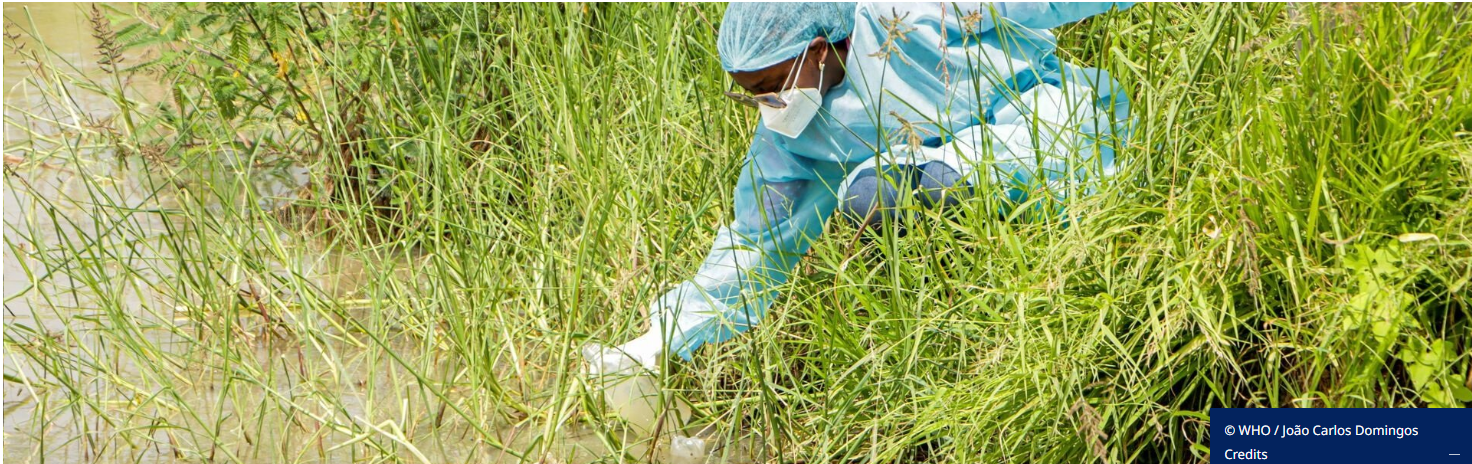
Cholera, caused by the bacterium Vibrio cholerae, spreads rapidly through contaminated water and poses heightened risk where basic health and sanitation systems are fragile.
According to WHO, 60 countries reported cholera cases in 2024, up from 45 in the previous year. Africa, the Middle East, and Asia collectively accounted for 98 per cent of all reported cases.
Outbreaks were increasingly widespread, with 12 countries each reporting more than 10,000 cases, including seven nations experiencing such large outbreaks for the first time.
The re-emergence of cholera in Comoros, which had not recorded any outbreak in over 15 years, highlighted the persistent threat of global transmission.
The case fatality ratio for Africa increased from 1.4 per cent in 2023 to 1.9 per cent in 2024, revealing significant gaps in the delivery of life-saving care.
WHO also noted that one quarter of all reported deaths occurred in the community, outside health facilities, pointing to serious shortcomings in access to treatment and the need for stronger engagement with communities.
The organisation added that the figures reflect both the fragility of many health systems and continuing challenges in providing access to basic healthcare.
To combat cholera, WHO emphasised the urgent need for governments, donors, and communities to ensure people have safe water, hygiene facilities, and accurate information on protecting themselves.
It also highlighted the importance of rapid access to treatment and vaccination when outbreaks occur, supported by strong surveillance and diagnostics to guide effective responses.
The organisation called for greater investment in vaccine production to meet global demand.
A new oral cholera vaccine, the WHO reveals is Euvichol-S® and was prequalified in early 2024 as it also entered the global stockpile, helping maintain average supply levels above the emergency threshold of 5 million doses during the first half of 2025.
However, WHO reported that due to continuing high demand, the temporary shift from a two-dose to a single-dose regimen remained in effect throughout 2024 and into 2025.
It also disclosed that requests for 61 million doses were made to the stockpile in 2024, with a record 40 million approved for emergency use in single-dose campaigns across 16 countries.
Despite this, supply constraints continued to fall short of global demand, WHO laments.
Preliminary figures for 2025 also show that the global cholera crisis persists, with 31 countries reporting outbreaks since the start of the year, according to the health organ.
WHO says it continues to classify the global risk from cholera as very high and said it is working urgently with countries to reduce deaths and contain outbreaks.
The organisation said it is providing support through strengthened public health surveillance, case management, and preventive measures, while also ensuring the delivery of essential medical supplies, coordinating field deployments with partners, and reinforcing risk communication and community engagement.
Meanwhile, WHO stressed that cholera remains a global health threat despite being both preventable and treatable, urging sustained international commitment to prevention, rapid response, and investment in long-term water and sanitation infrastructure.