By Jemimah Wellington, JKNewsMedia Reporter
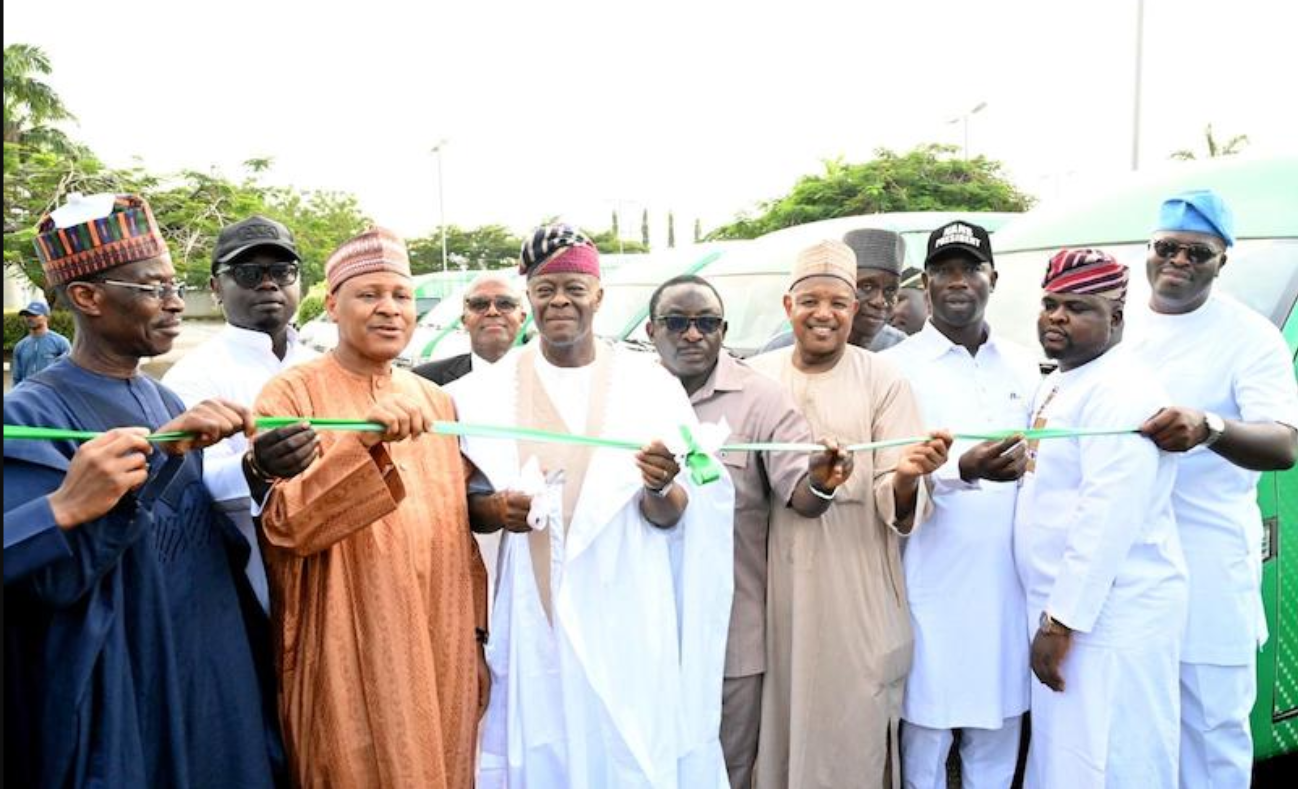
EFFORTS TO revamp Nigeria’s transportation system took a major step forward with the handover of 64 Compressed Natural Gas (CNG) buses to the Nigerian Labour Congress (NLC), Trade Union Congress (TUC), and National Association of Nigerian Students (NANS).
The Federal Government says it is promoting this initiative as part of the 64th Independence Day celebrations, as a long-term solution to the rising transportation costs following the fuel subsidy removal.
But will this initiative truly address Nigeria’s transport challenges? What obstacles remain?
During the handover, Finance Minister Wale Edun emphasized the government’s commitment to making public transport more affordable for citizens.
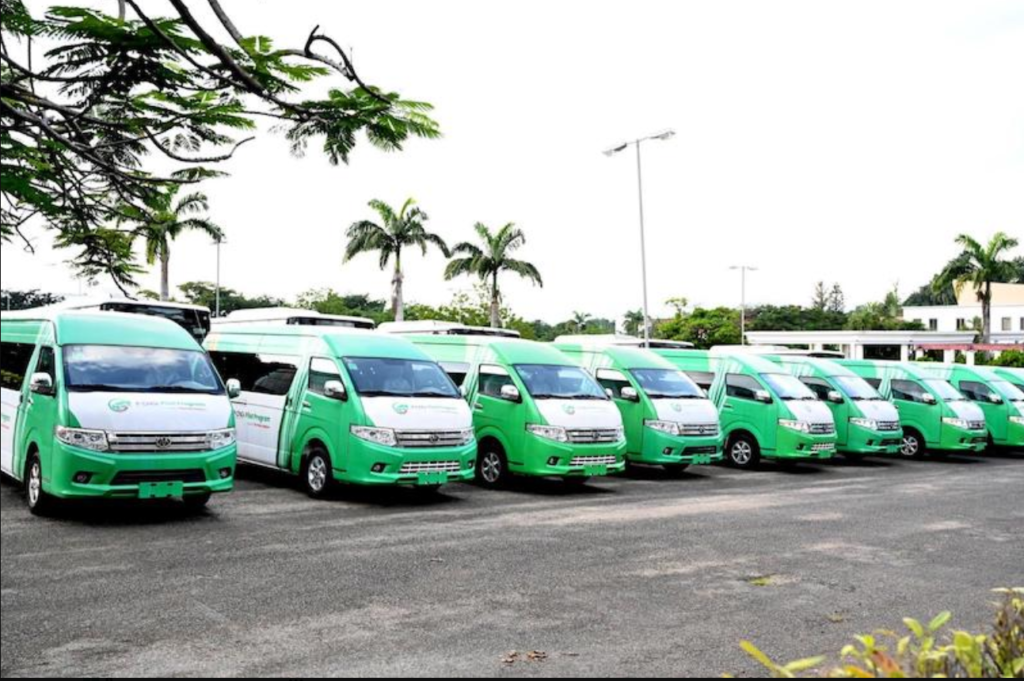
“This initiative will ease the impact of rising inflation,” Edun stated, positioning the CNG buses as a crucial pillar in President Bola Tinubu’s promise to alleviate the burden of subsidy removal on everyday Nigerians.
However, key questions remain.
While CNG fuel is cheaper, with Edun noting it costs about one-third of traditional petrol, industry experts have raised concerns about Nigeria’s readiness for large-scale CNG adoption.
Unlike petrol, CNG requires specialized infrastructure, including refueling stations and trained personnel to maintain these buses.
Currently, Nigeria’s CNG refueling network is limited, with most stations concentrated in urban areas like Lagos and Abuja.
What does this mean for the everyday Nigerian commuter, especially those in rural or less-developed regions?
Will they benefit from this initiative, or will it only address urban needs?
Beyond the infrastructural hurdles, there is skepticism from the unions and stakeholders themselves.
While the TUC, NLC, and NANS have welcomed the buses, some officials privately admit doubts about the government’s long-term commitment to expanding the project.
“We’ve seen projects like this before, where things look promising at the launch, but they don’t get the full support needed to scale,” said one senior union member, speaking on the condition of anonymity.
Moreover, the government’s plan is deemed ambitious.
It includes an expansion to over 500 CNG buses and 100 electric vehicles in the near future, positioning Nigeria as a leader in eco-friendly mass transit in Africa.
Yet the question of how these buses will be maintained, how accessible the CNG powering will be to drivers across the country, and whether ordinary Nigerians will see any real reduction in transportation costs remains unanswered.
For students, who were represented at the event through the National Association of Nigerian Students (NANS), the buses are a welcome addition.
“Transportation costs have been one of the biggest challenges for us. Many students now struggle to afford commuting to campuses after the subsidy removal,” said a student leader from the association.
But while these buses may offer temporary relief, many students wonder how sustainable the initiative will be and if the government will prioritize extending the programme to regions where students have been hardest hit.
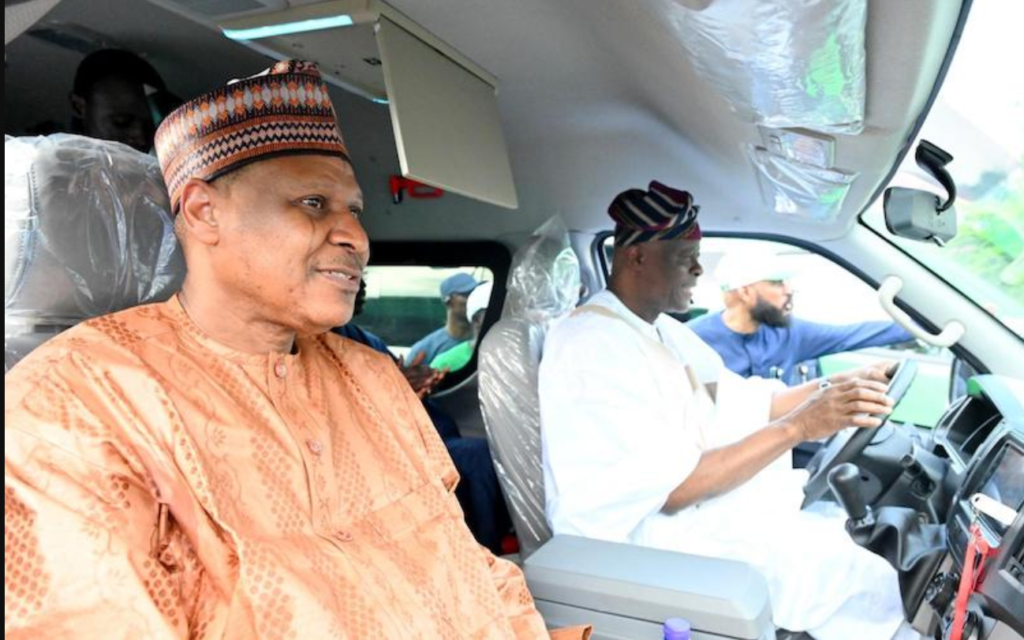
In light of Nigeria’s economic struggles and the high inflation rate, the need for affordable transportation has never been more urgent.
The government’s efforts are laudable, but with an incomplete infrastructure network, logistical challenges, and mixed confidence from unions and everyday citizens, the success of the CNG buses remains to be seen.