By Jemimah Wellington, JKNewsMedia Correspondent
NAIRA ABUSE has come under renewed scrutiny as the Economic and Financial Crimes Commission (EFCC) said it is intensifying efforts to enforce currency laws and restore national pride.
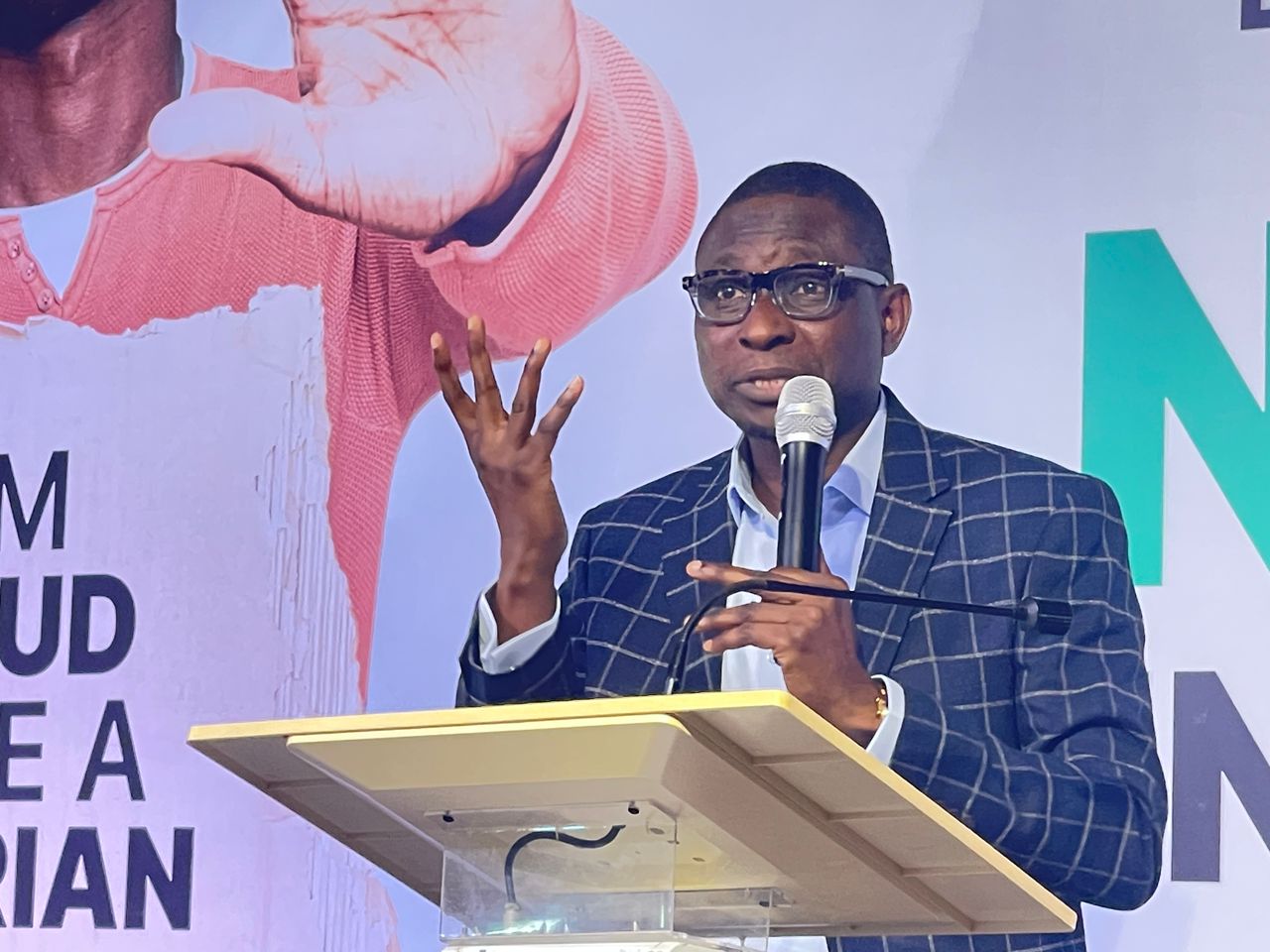
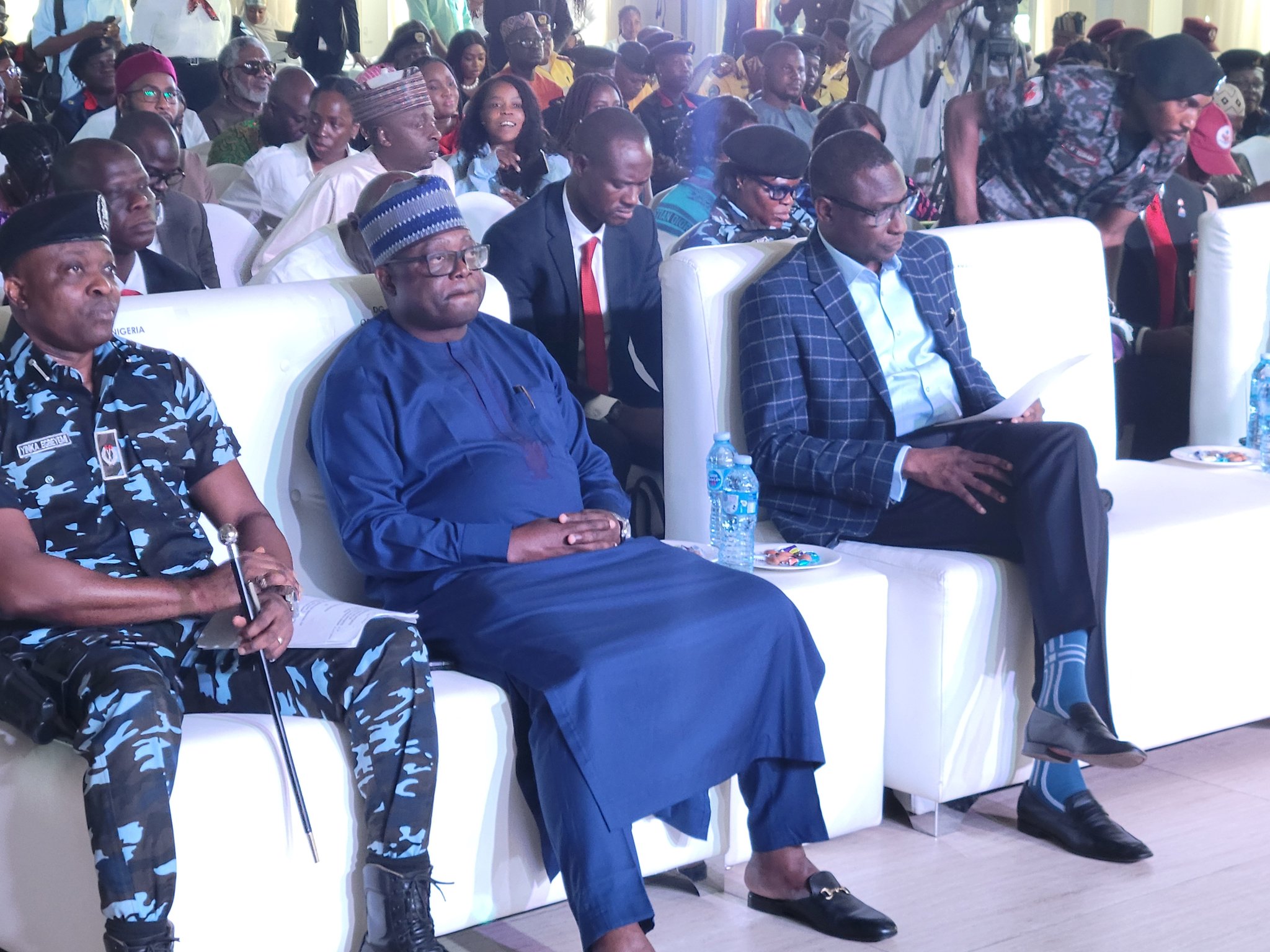
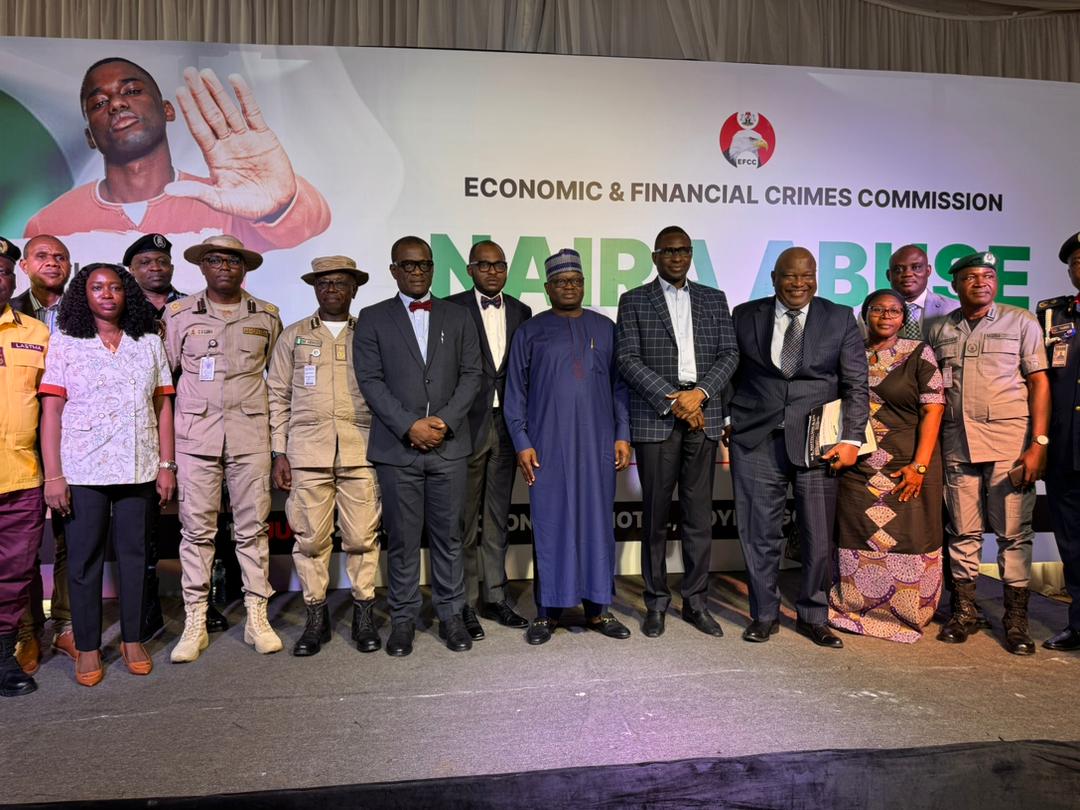
Speaking at a stakeholder engagement in Lagos, the EFCC Executive Chairman, Ola Olukoyede, called on key players in the entertainment industry, legal community, financial sector, and media to champion public education on the proper handling of the national currency.
The sensitisation meeting, held on Friday, followed rising incidents of Naira mutilation and misuse, particularly at social events.
Olukoyede, addressing a diverse audience that included movie producers, musicians, non-governmental organisations (NGOs), and bureau de change operators, described the Naira as a national emblem that reflects the country’s sovereignty and economic discipline.
“The Naira is not just a means of exchange; it is a symbol of our sovereignty,” Olukoyede said. “How we treat it reflects how much we respect ourselves as a people.”
He decried the culture of spraying or stamping on Naira notes at celebrations, insisting the practice is neither lawful nor cultural, but a punishable offence under existing financial regulations.
Over the past year, the EFCC, in partnership with the Central Bank of Nigeria, has escalated enforcement through a joint Task Force on Dollarisation and Naira Abuse.
The initiative targets illegal currency dealings and public displays of currency defacement. Prosecutions have already begun, including cases involving celebrities and public figures, to serve as deterrents to potential offenders.
Olukoyede dismissed the notion that currency abuse is rooted in tradition. “As a salary earner myself, it is unimaginable to throw my hard-earned income into the air,” he said.
“Ignorance of the law is not an excuse. An offence is an offence.”
He emphasised that replacing mutilated currency places a financial burden on the Central Bank, costing public funds that could be better used for national development.
The EFCC chairman urged entertainers, influencers, and creative industry stakeholders to use their platforms to reinforce respect for the Naira.
“In every performance, let one of your opening lines be a reminder to your fans that spraying or stamping on the Naira is a crime. We must all rise to defend the integrity of our currency,” he said.
He also reaffirmed the Commission’s support for the Bola Tinubu administration’s economic reforms.
According to him, over N100 billion in recovered funds from financial crimes have already been allocated to national programmes such as the National Education Loan Fund (NELFund) and the Consumer Credit Scheme (Credicorp).
Recovered properties have also been transformed into public assets, including a Federal University in Kaduna and a skill centre in Bayelsa.
Lanre Issa-Onilu, Director General of the National Orientation Agency, praised the creative industry’s impact on national development and called for stronger alignment with Nigeria’s values.
He encouraged the sector to promote civic responsibility and uphold ethical standards.
“The abuse of the Naira is not only unlawful, it is unethical,” he said. “Our actions must align with the National Values Charter. Values must be our guide in everything we do.”