By Joke Kujenya
RISING TEMPERATURES, prolonged dry spells and deteriorating air quality could expose Lagos residents to increased health risks as the state government urges households and businesses to prepare for potentially extreme weather conditions associated with the El Niño climate pattern.
JKNewsMedia.com reports that Commissioner for the Environment and Water Resources, Tokunbo Wahab, issued the warning on Friday, urging residents to adopt preventive measures to protect themselves against heat-related illnesses.
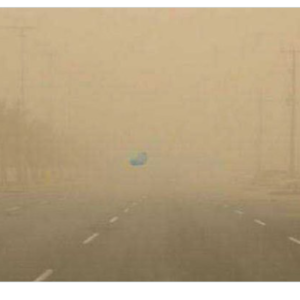
Wahab said the strengthening El Niño pattern, combined with the onset of the dry season, could bring higher temperatures, extended periods without rainfall, increased dust levels and poorer air quality.
He stressed that although the intensity and local impact of the conditions would depend on prevailing weather patterns, residents should take the potential risks seriously.
The commissioner identified Lagos as particularly vulnerable to extreme heat because of its dense population and rapidly expanding urban environment, where buildings, roads and other surfaces absorb and retain heat.
He explained that limited green spaces and inadequate ventilation in some neighbourhoods could intensify the urban heat effect, leaving residents of crowded communities and informal settlements particularly exposed.
Prolonged exposure to excessive heat, he warned, could cause dehydration, heat exhaustion and heatstroke, with potentially serious health consequences if victims do not receive prompt attention.
Wahab identified children, older people, pregnant women, outdoor workers, street traders, construction workers, waste handlers and people living with health conditions as groups requiring particular protection.
He urged families, employers, schools and community leaders to pay close attention to their welfare and ensure they have access to appropriate protective measures.
The commissioner also raised concerns about the effect of extreme temperatures on air quality, noting that dry-season dust and haze could aggravate existing breathing difficulties.
He added that increased reliance on petrol and diesel generators during power outages could further contribute to pollution in residential and commercial areas.
Wahab urged residents to avoid open refuse burning and adopt environmentally responsible practices to minimise pollution.
To reduce exposure to excessive heat, he recommended drinking sufficient water, wearing light and breathable clothing, remaining in shaded or well-ventilated spaces and avoiding strenuous outdoor activities during the hottest periods.
He also called on schools, markets, workplaces and other public facilities to ensure adequate ventilation, provide drinking water and establish shaded areas where people could rest.
JKNewsMedia.com also reports that residents were further advised to recognise early symptoms of heat-related illnesses, including excessive sweating, dizziness, headaches, weakness, nausea and muscle cramps.
Anyone experiencing these symptoms should be moved to a cooler environment and helped to cool down, with medical attention sought where necessary.
“Sudden collapse or loss of consciousness should be treated as a medical emergency and needs immediate attention,” Wahab said.
He urged people living with respiratory conditions to minimise exposure to dusty environments and pay attention to relevant health and air-quality advisories.
—

Share Your Story with us!
Advertise with us!
Publicity for a product, service, or event!
Contact: WhatsApp Only: +2348039560647
Email: jkmediapress@gmail.com