By Ajibola Olaide, JKNewsMedia Reporter
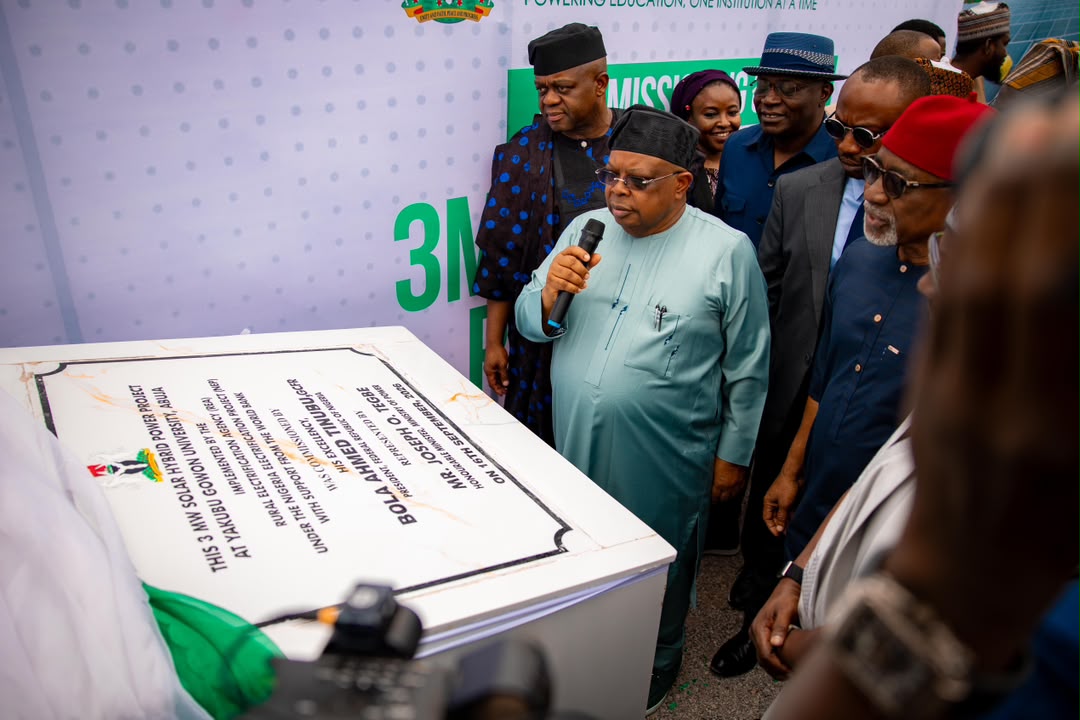
NIGERIA’s FEDERAL Government has ruled out an immediate electricity tariff increase, reaffirming its focus on improving power supply, expanding access to reliable electricity and accelerating universal metering, as it commissioned a 3MW solar hybrid power project at Yakubu Gowon University in Abuja (UniAbuja).
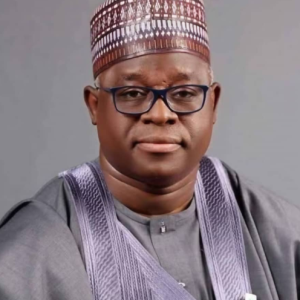
JKNewsMedia.com reports that the Minister of Power, Joseph Olasunkanmi Tegbe, gave the assurance while speaking with journalists after commissioning the project at the university, formerly known as the UniAbuja, describing improved service delivery and universal metering as key priorities of his ministry.
“There are no immediate plans to increase electricity tariffs. Our goal is to build a commercially viable power sector while protecting vulnerable consumers,” the minister said.
He noted that the government’s position comes amid renewed political interpretations of Tegbe’s comments on possible electricity subsidy removal and concerns about another tariff adjustment.
He also stressed that tariff increases were not an immediate consideration, with the administration concentrating instead on better service delivery and strengthening consumer confidence.
Tegbe further explained that the government was addressing the sector’s structural and financial challenges while pursuing greater efficiency and accountability across the electricity value chain.
He identified universal metering as a major priority, saying it would promote accurate billing, improve transparency and ensure consumers paid for their measured electricity consumption.
While the administration continues to examine reforms to the electricity subsidy framework to address longstanding financial challenges, Tegbe maintained that the needs of vulnerable consumers must remain part of the process.
The government’s broader objective, he said, was to establish a financially sustainable and investment-friendly electricity market capable of supporting infrastructure development, improving generation and distribution, and delivering more reliable power to households, businesses and public institutions, he said.
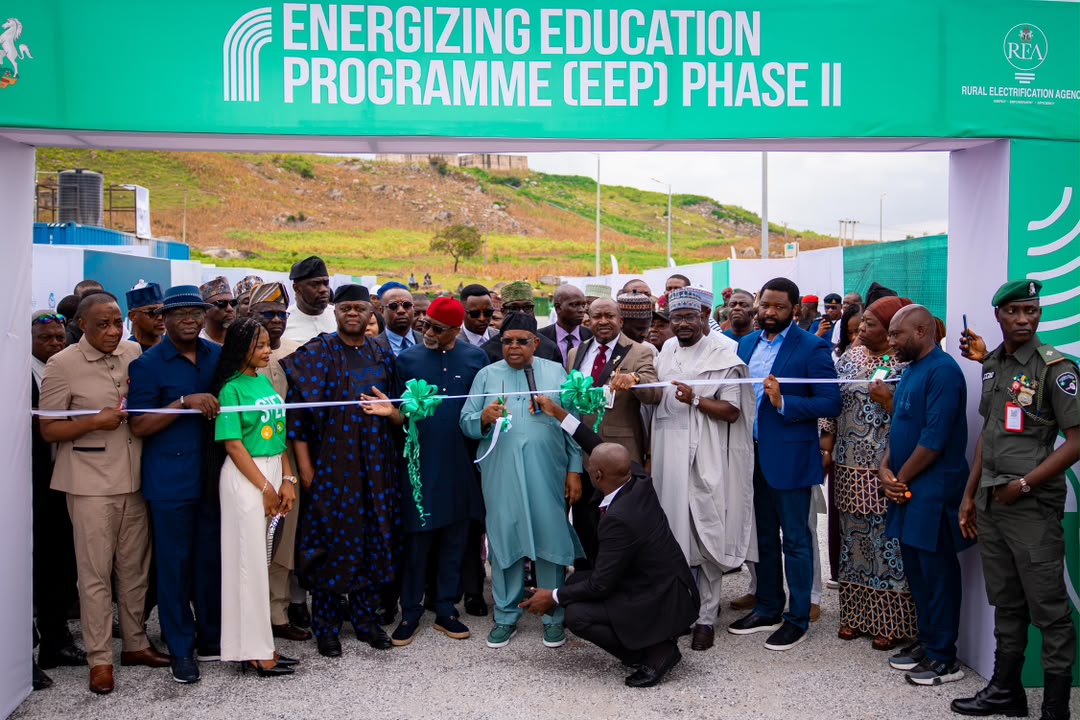
UniAbuja Gets 3MW Solar Hybrid Power Project
The tariff assurance came alongside the commissioning of the university’s new solar hybrid facility, developed by the Rural Electrification Agency under Phase II of the Energising Education Programme (EEP).
He said the project is designed to deliver stable, cleaner electricity to a university community of approximately 58,726 students, significantly reducing the institution’s reliance on diesel-powered generators.
The facility combines a 3.3MWp solar array with 3MW of alternating current output and a 2MWh battery storage system. Dedicated grid supply will support the campus outside solar generation hours.
It also includes 388 solar-powered streetlights installed across the campus to improve visibility and security, creating a safer environment for students and staff to study and move around after dark.
Tegbe described the investment as a direct contribution to human capability, explaining that reliable electricity would protect academic facilities and specialist equipment, reduce pressure on institutional budgets by cutting diesel costs, and strengthen the research and graduate talent needed to drive the wider economy.
He further linked the project to President Bola Tinubu’s Renewed Hope Agenda, under which electricity investments are being directed towards services and activities that directly improve citizens’ lives.
“Energising education also protects the investments already made in academic facilities and specialist equipment. It reduces the disruption that weakens research and makes learning more difficult. These benefits extend beyond the campus, through graduates whose skills strengthen the economy and research that helps solve the country’s problems,” the minister said.
He added that Yakubu Gowon University is one of nine institutions covered under Phase II of the Energising Education Programme, which spans seven universities and two teaching hospitals.
Tegbe described the continuation of the programme across successive phases as evidence of the administration’s commitment to maintaining investments in young Nigerians beyond individual commissioning ceremonies.
He urged students and staff to help protect the new infrastructure by reporting vandalism involving the solar system and other electricity assets, including transformers and transmission towers.
The minister also disclosed that his ministry was developing a nationwide electricity complaint call-centre that would create jobs for young Nigerians, alongside a dedicated channel for reporting vandalism to enable immediate remediation.
He added that a joint team comprising the Nigeria Police Force, the Nigeria Security and Civil Defence Corps and the Economic and Financial Crimes Commission is working to curb electricity infrastructure vandalism nationwide.
Tegbe commended the Rural Electrification Agency Board, chaired by Mr Ayodele Fayose, the agency’s management led by Mr Abba Abubakar Aliyu, the Nigeria Electrification Programme team and the project contractor for delivering the facility.
He also acknowledged the support of the World Bank, the Ministry of Education, the Federal Capital Territory (FCT) Administration and the university leadership.
Tegbe concluded that the Rural Electrification Agency has committed to sustaining the battery storage system to meet the university’s electricity needs, with the project expected to end diesel generator use on campus and lower the institution’s overall electricity costs.
The commissioning was attended by the ministers of the FCT and Education, members of the university’s governing council and executive leadership, development partners, staff and students.
—