By Jemimah Wellington, JKNewsMedia Correspondent
ALLOCATIONS TO state governments have more than doubled since President Bola Tinubu removed the petrol subsidy in May 2023, the Federal Government has announced.
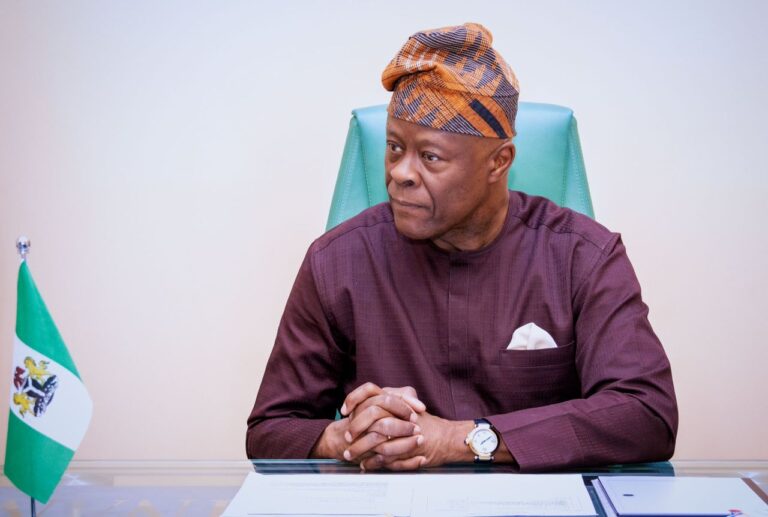
Minister of Finance and Coordinating Minister of the Economy, Wale Edun, disclosed this in Abuja at the National Health Financing Dialogue.
He explained that the reform, though difficult, restored fiscal stability across federal and state levels.
According to Edun, subsidy payments previously consumed 2.5 per cent of Nigeria’s Gross Domestic Product, with the benefits cornered by a few individuals and foreign profiteers.
He stated that the reform stopped the drain on public resources and created new opportunities for investment in key sectors.
“The removal of subsidy was a tough decision, but it has restored fiscal balance, not just at the federal level.
The states now have double the kind of funds they had before, enabling them to meet their obligations in critical sectors, including health and education,” the minister said.
In a statement signed by Edun, he noted that years of subsidy spending deprived Nigeria of investment in healthcare, infrastructure, and human capital development.
The minister maintained that the current policy redirected funds to priority areas that directly affect citizens’ welfare.
Following the President’s announcement in May 2023, petrol pump prices rose sharply, crossing N1,000 per litre before adjusting to below N900 in recent weeks.
The reform triggered economic pressure across households and businesses, pushing inflation to 27 per cent in 2024 before easing to 21.88 per cent in July 2025.
Food inflation, which peaked at 39.53 per cent year-on-year in July 2024, moderated to 22.74 per cent in July 2025.
The government said the stabilisation signalled the impact of fiscal measures aimed at easing the strain of the subsidy removal.
Despite increased revenue flows to states, concerns remain that the windfall has not translated into visible improvements in citizens’ living standards.
Poverty and unemployment remain widespread, and essential services in health and education continue to face significant challenges.
The FG reiterated that the decision to end the subsidy marked a turning point for Nigeria’s public finance.
It stressed that state governments now hold greater responsibility to utilise increased allocations for infrastructure, service delivery, and social investment.