By Ajibola Olaide, JKNewsMedia Reporter
LEARNING OUTCOMES in Nigerian schools will be assessed every three years under a new Federal Government policy announced during the ongoing 2026 National Learning Assessment.
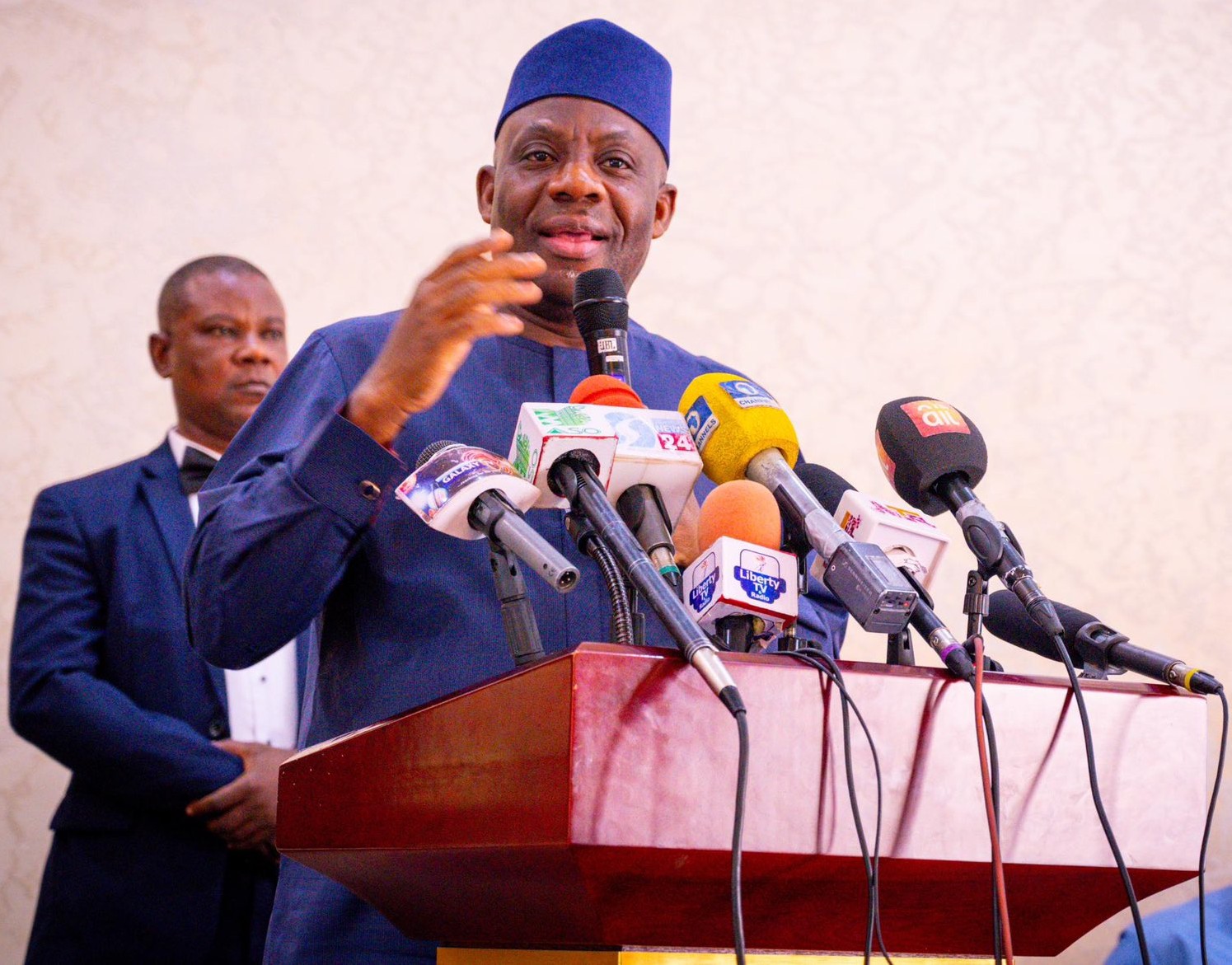
JKNewsMedia.com reports that the Minister of Education Tunji Alausa announced the decision on Friday after inspecting the assessment in selected public and private schools in the Federal Capital Territory (FCT).
He said the exercises evaluate the literacy, numeracy and cognitive abilities of pupils in Primary Three and Primary Five, as well as students in Junior Secondary School Two and Senior Secondary School Two.
Alausa said the periodic assessment would become a permanent feature of the country’s education system, adding that the Universal Basic Education Commission (UBEC) had been directed to begin making financial provisions for the exercise from 2029.
The minister also said the initiative would provide government with reliable information on learners’ performance across different levels of education, enabling authorities to identify weaknesses and introduce targeted reforms.
He stated that the assessment would generate credible data to guide education policies, improve classroom instruction and strengthen accountability across schools nationwide.
Alausa expressed concern over the country’s learning deficit, saying many children continued to struggle with basic reading and numeracy skills despite years of schooling.
He said regular assessments would enable government to monitor progress over time and determine whether ongoing reforms were producing measurable improvements in learning outcomes.
The minister also disclosed that the Federal Government (FG) had streamlined multiple assessment frameworks into a single national system to ensure consistency and make it easier to compare results across assessment cycles.
He said the initiative formed part of the FG’s wider education reform programme to improve the quality of teaching and produce better learning outcomes.
While acknowledging the contribution of private schools to expanding access to education, Alausa stressed the need for stricter oversight to ensure operators complied with prescribed academic standards.
He also commended the schools visited during the monitoring exercise, describing their learning environments as orderly and conducive to effective teaching and learning.
—