By Joke Kujenya
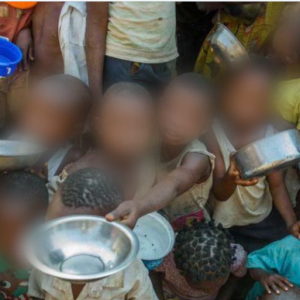
RISING LEVELS of hunger and malnutrition continue to challenge many low-income nations, especially in Africa, with millions facing severe food insecurity.
The crisis, intensified by conflicts and climate change, has worsened in East and West Africa, where nearly 111 million people are at risk, according to the World Bank’s February food security update.
It states that in East Africa alone, around 61.6 million people are food-insecure, while in Western and Central Africa, the number stands at nearly 50 million.
Inflation in food prices remains high, significantly affecting low-income nations. As of January 2025, more than 70% of low-income countries reported inflation rates above 5%, contributing to rising prices for staple foods.
In countries like maize-producing regions, prices have surged by 10% compared to the previous year, pushing people deeper into poverty.
The World Bank has emphasised that despite a projected global economic growth of just 2.7% through 2026, food insecurity remains a significant concern.
Alongside high inflation, escalating debt, and trade disruptions continue to increase the vulnerabilities of countries that rely heavily on imports.
As the global food crisis continues, policies imposed to safeguard domestic supplies are creating new challenges.
Since Russia’s invasion of Ukraine, trade restrictions have been put in place by 17 countries.
These measures aim to maintain local food supplies but further disrupt international markets, driving up prices.
In response, the World Bank has ramped up efforts to address food insecurity.
Through projects like the $2.75 billion Food Systems Resilience Programme, the institution is helping African nations develop climate-smart agricultural practices, improve market access, and ensure food security.
This programme, which spans Eastern and Southern Africa, seeks to bolster the region’s resilience against climate impacts and market shocks.
The organisation is also actively involved in supporting smaller-scale projects that directly benefit vulnerable populations.
In Honduras, for instance, initiatives like the Rural Competitiveness Project have enhanced market access and created over 6,600 jobs in rural areas, with special efforts to include women and youth.
In Malawi, the Agriculture Commercialization Project, funded by the World Bank, is helping to improve the commercial viability of agricultural products.
These projects aim not only to address the immediate food security needs but also to create long-term sustainable solutions.
Countries like Madagascar and Chad are benefiting from targeted investments in food systems, with major initiatives aimed at restoring landscapes, improving agricultural output, and strengthening resilience to droughts.
Similarly, in Central African Republic, smallholder farmers have received tools and training to boost productivity and resilience to climate-related risks.
Despite these efforts, the funding allocated to food security remains disproportionately low compared to global humanitarian assistance.
The latest figures show that only 3% of global development funding is directed towards food security initiatives, compared to 33% for humanitarian aid.
The food insecurity crisis, however, remains complex.
Trade disruptions, rising inflation, and shifting geopolitical dynamics are creating an environment where millions are struggling to access sufficient nutrition.
The ongoing efforts by global institutions, like the World Bank, to fund long-term agricultural projects are crucial in mitigating the impacts of this crisis.
The joint call for action from the heads of the FAO, IMF, World Bank Group, WFP, and WTO further highlights the urgency of addressing these challenges.
Their collective statement urges governments to focus on urgent measures to rescue hunger hotspots, facilitate trade, and reform harmful subsidies to alleviate the pressure on global food systems.
With the situation worsening, the international community’s response will be critical in preventing further deterioration of the food and nutrition security landscape.
As governments, organisations, and communities continue their work, it is clear that innovative solutions and enhanced collaboration will be key to combatting the ongoing food crisis.