By Babafemi Ojudu
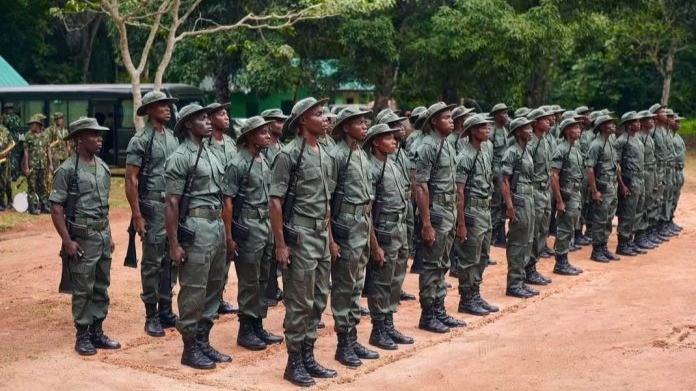
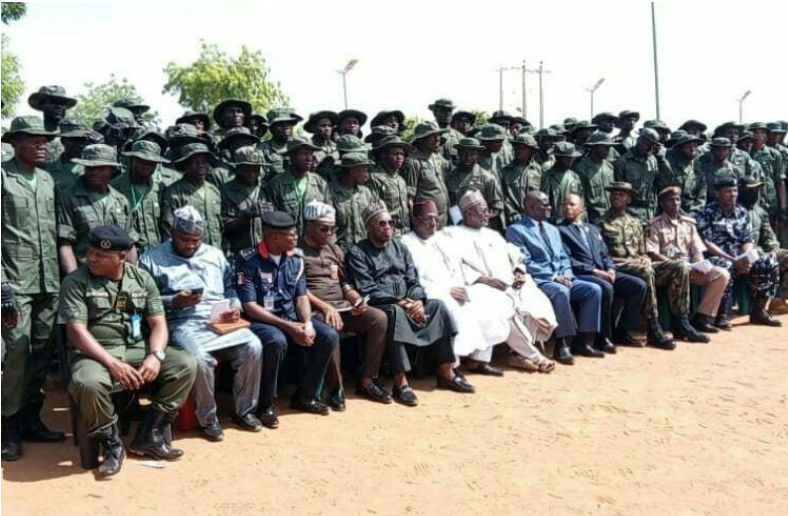
NIGERIA HAS announced the creation of a new force—Forest Guards—tasked with securing the country’s vast ungoverned spaces. The intention appears noble. The communication has been loud. The urgency is understandable. But in a country with Nigeria’s history, no armed or semi-armed formation can be evaluated on intention alone. Power, once unleashed, must be interrogated early, thoroughly, and without sentiment.
The forests may be ungoverned. But force itself must never be.
The Questions That Must Be Asked
The first duty of citizens in a democracy is not applause; it is scrutiny.
i. Recruitment
When exactly were these Forest Guards recruited?
Who conducted the recruitment and under what authority? Where did it take place?
What criteria were applied? Were background checks carried out, and by whom?
Were criminal, insurgent, or extremist affiliations screened out?
ii. Training
Were they trained before deployment?
Who trained them: military, police, civil defence, or private contractors?
Where did this training occur, and for how long?
What were they trained to do and just as importantly, what were they trained not to do?
Were rules of engagement, civilian protection, and human rights central to that training?
iii. Command and Control
Who commands the Forest Guards?
To whom do they report operationally and administratively? What is the chain of command?
Who disciplines them when things go wrong?
Who bears responsibility when lives are lost?
iv. Armament
Are they armed? If so, with what type of weapons?
Who authorised the issuance of those arms?
Are the weapons registered, tracked, and audited?
Under what circumstances are they permitted to use lethal force?
v. Deployment
When were they deployed? Who ordered the deployment?
Where exactly are they operating today?
Are they working alongside existing security agencies or independently?
What mechanisms exist to prevent clashes, duplication, or turf wars?
vi. Oversight and Accountability
Who oversees this force? Is there legislative or civilian oversight?
What channels exist for citizens to report abuse?
What safeguards prevent ethnic profiling, collective punishment, or abuse of forest-adjacent communities?
vii. Funding
Who funds the Forest Guards?
What is their budget and funding source?
What happens to this force when funding becomes irregular or politicised?
Why This Matters
Nigeria’s security landscape is already crowded: military, police, civil defence, intelligence agencies, joint task forces, and assorted local formations. Adding another force without crystal-clear structure is not innovation; it is risk multiplication.
History is unforgiving here. Armed groups created to solve yesterday’s problems have often become tomorrow’s threats—unaccountable, corrupt, politicised, and difficult to dismantle. The example of the Federal Road Safety comes to mind here. Envisioned with a noble intention by Prof Wole Soyinka, we all are aware what it has turned to since he handed it over to successors.
Ungoverned spaces are dangerous. But ungoverned power is fatal.
A Call for Transparency, Not Suspicion
These questions are not an attack on government. They are an invitation to seriousness.
If the Forest Guards are lawful, professional, properly trained, clearly commanded, and tightly overseen, then answering these questions should strengthen public confidence, not weaken it.
In a democracy, silence is not loyalty. Scrutiny is.
Nigeria does not merely need more force.
It needs more clarity, more accountability, and more restraint.
Anything less is how nations stumble into crises they never planned.