By JKNewsMedia
NIGERIA’s HEALTHCARE system faces intensifying scrutiny as outrage grows over the $1.2 billion lost annually to medical tourism, a drain experts warn is crippling the economy and decimating local hospitals.
The anger reached a tipping point following the death of former President Muhammadu Buhari during a medical trip to London, an incident many view as a symbol of the government’s longstanding neglect of public health infrastructure.
At the University of Medical Sciences (UNIMED), Ondo, during the fourth annual Public Health Grand-round, experts disclosed the staggering financial cost of overseas medical treatment.
Dr Habibu Yahaya, World Health Organisation coordinator in Ondo State, attributed the surge in outbound medical care to weak health systems and underinvestment at home, urging immediate reforms to stem the economic haemorrhage.
Professor Adolphus Loto, acting Vice-Chancellor of UNIMED, pressed for urgent infrastructure development to build resilience across the sector. He warned that without health systems capable of absorbing shocks, Nigeria risks deeper collapse in the face of emergencies.
Public resentment is mounting against government-funded medical trips for top officials. Political analysts and civic voices, including James Osewele, have renewed demands for legislation banning overseas medical treatment for presidents, governors, lawmakers, and civil servants.
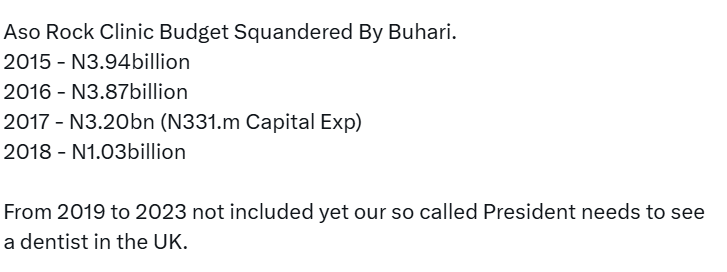
Osewele argued that mandatory use of local hospitals would force leaders to improve domestic facilities, preventing avoidable deaths.
Health professionals echoed the sentiment. Dr Davies Olanrewaju, based in Lagos, described the ongoing brain drain as disastrous. He noted that many Nigerian doctors working abroad treat the same leaders who neglected local health institutions. He urged the government to match foreign working conditions to retain talent at home.
Nurse Victoria Omoruyi lamented the country’s dramatic decline from a time when Nigeria attracted foreign patients. “Even minor illnesses now send leaders abroad,” she said. “Until government prioritises adequate funding and systemic reforms, this national disgrace will persist.”
The crisis has sparked wider conversations on the privileges enjoyed by political elites, including renewed advocacy for laws barring foreign education for the children of public officials.
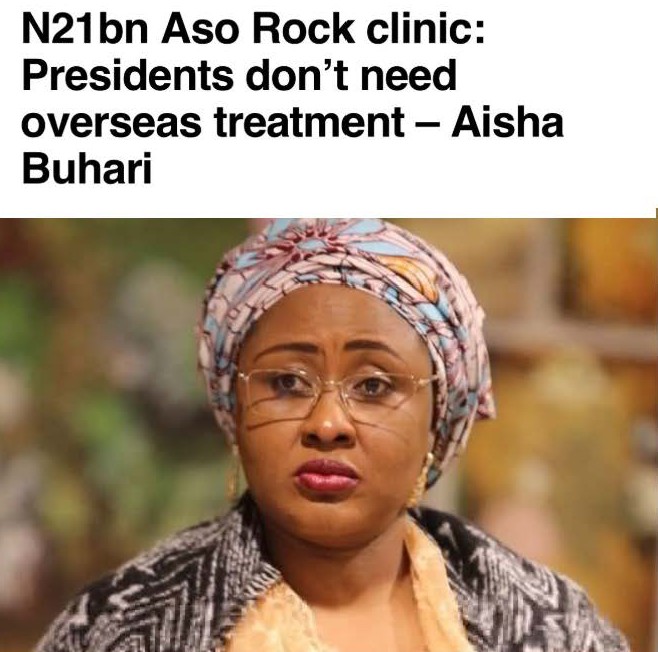
Meanwhile, concerned Nigerians are arguing that such policies would force reform in both education and health sectors by making leadership directly accountable for national services.
Still, pressure continues to mount from the public and healthcare community as stakeholders warn that halting the $1.2 billion annual outflow is not just an economic imperative, but a life-saving necessity for millions of Nigerians dependent on failing health infrastructure.