By Joke Kujenya
A SERIOUS mental health condition known as Schizophrenia and affecting around 23 million people worldwide continues to be widely misunderstood, with many living with it facing stigma, discrimination and limited access to proper care.
JKNewsMedia.com reports that the World Health Organisation (WHO) said the condition causes psychosis and can lead to significant disability, affecting nearly every part of life including family, relationships, education, work and social functioning.
It most often begins in late adolescence or the twenties, with earlier onset more common among men than women as people living with the condition may experience a break in how reality is understood.
WHO notes that this can include fixed false beliefs that persist even when there is evidence against them, or hearing, seeing, smelling or feeling things that are not there.
Some affected persons may feel their thoughts or actions are controlled by outside forces or believe their thoughts are being placed in or taken from their mind.
Others may show confused thinking, speech that is difficult to follow, or behaviour that appears unusual or without clear purpose.
The condition can also affect emotional expression while some people may speak very little, show reduced interest or pleasure in daily life, withdraw from social contact, or struggle to respond emotionally.
In some cases, movement may become unusually slow or highly agitated.
Additionally, memory, attention and problem solving can also be affected, adding to daily challenges.
Despite the impact, recovery is possible, WHO assures.
At least one in three people experience full recovery, while others may have periods of worsening symptoms followed by improvement over time.
Across the world, WHO added that more than two out of three people with psychosis do not receive specialist mental health care.
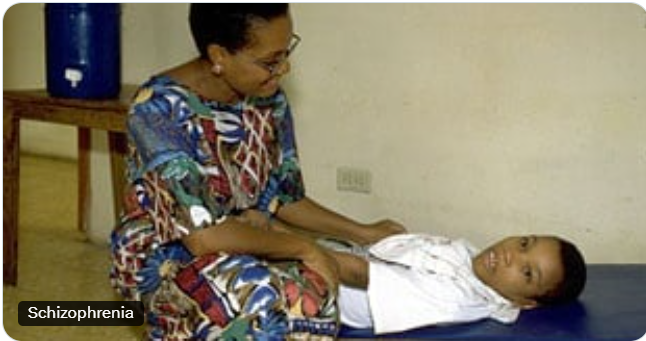
Rather, many health systems still rely heavily on hospital-based treatment, even though a large number of patients in mental hospitals are diagnosed with the condition.
Evidence shows that long term hospital care is often not effective and may involve violations of basic human rights.
Still, efforts are ongoing to shift treatment into communities through primary health care, community mental health centres, day services, supported housing and home-based outreach support.
People affected by the condition die on average about nine years earlier than the general population, often due to physical illnesses such as cardiovascular, metabolic and infectious diseases.
On the side, research has not identified a single cause.
Schizophrenia is believed to result from an interaction between genetic and environmental factors, with psychosocial influences also contributing.
However, heavy cannabis use has been linked with a higher risk.
During crises such as conflicts or public health emergencies, symptoms may worsen due to stress, isolation and disruption of treatment, while affected individuals may also face higher risks of neglect, homelessness, abuse and exclusion.
WHO also said that Schizophrenia condition is not a split personality, and those affected are not usually violent or dangerous but noted that it remains a serious mental health condition that changes how a person experiences reality and functions in daily life.
JKNewsMedia.com also reports that, according to WHO, a range of treatment options exists, including medication, psychoeducation, family support, cognitive behavioural therapy and psychosocial rehabilitation such as life skills training.
The organ also notes that supported housing, assisted living and employment support also play an important role in recovery-focused care, alongside family and community involvement.
WHO reiterated that around 23 million people worldwide live with this condition, affecting about 1 in 345 people globally and 1 in 233 adults.
—