By Joke Kujenya
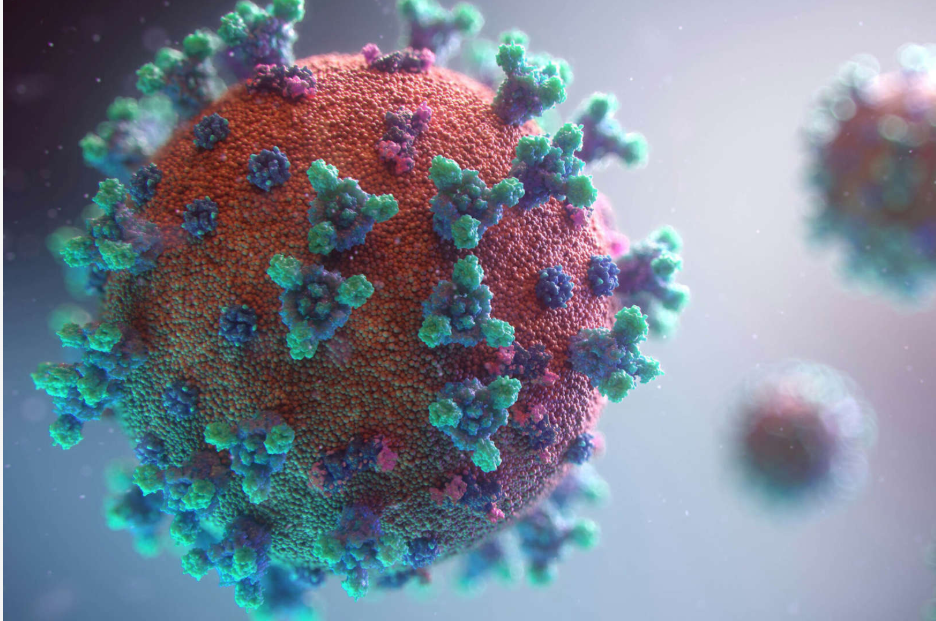
CERTAIN VIRUSES and bacteria contributed to an estimated 2.3 million new cancer diagnoses worldwide in 2024, highlighting the significant role infectious agents play in the development of malignant tumours.
JKNewsMedia.com reports that the International Agency for Research on Cancer (IARC) reported that infections accounted for 12% of all new cancer cases globally, equivalent to approximately one in eight diagnoses.
The findings, published in the Scientific Journal Lancet Oncology (SJLO) on September 29, 2026, draw on an analysis of global cancer diagnosis data from 2024 and identify 12 infections that can contribute to cancer development.
Cancer is often perceived as a random disease, but several factors influence its development, including smoking, genetics and environmental exposures such as sunlight and pollution.
The latest findings also highlight infections as another important factor associated with certain cancers.
Human Papillomavirus (HPV) accounted for 4% of all new cancer diagnoses in 2024, according to Harriet Rumgay, an epidemiologist at the IARC, writing in Time Magazine.
Also, it says the virus is directly linked to most cases of cervical cancer and has also been associated with tumours affecting the head and neck.
Hepatitis B and Hepatitis C viruses have also been linked to liver cancer, with the source reporting that they are related to between 1% and 2% of new cases.
Another widespread infection, the Epstein-Barr virus (EBV), which is estimated to affect more than 90% of the world’s population, can cause several types of cancer, including certain lymphomas, stomach cancer and nasopharyngeal cancer.
Helicobacter pylori, a bacterium that infects the stomach and small intestine, has been linked to approximately 4% of new gastric cancer diagnoses adding that the findings also identify Human Herpesvirus 8 (HHV-8) as a possible cause of Kaposi’s sarcoma, a cancer affecting blood and lymphatic vessels.
The analysis further identifies HIV and Merkel cell polyomavirus as potential carcinogens.
It says that HIV has been associated with various cancers, including conjunctival cancer of the eye, while Merkel cell polyomavirus has been linked to Merkel cell carcinoma, a rare and aggressive form of skin cancer.
JKNewsMedia.com reports that the researchers also established new associations between infections and other cancers, alongside identifying additional infectious agents as it further notes that five other types of viruses and bacteria have been investigated for their links to increased cancer risk.
East Asia recorded the highest burden of cancers attributable to infections, with approximately 990,000 cases. The vast majority of these cases were linked to Helicobacter pylori, according to the findings.
The research also points to opportunities for cancer prevention by reducing exposure to infections associated with malignancies.
Vaccination offers one approach to preventing certain infections and, consequently, some cancers linked to them.
However, contracting an infection identified in the report does not mean a person will inevitably develop cancer, adding that the risk varies depending on the infection, while genetic and environmental factors also influence whether the disease develops.
—

Share Your Story with us!
Advertise with us!
Publicity for a product, service, or event!
Contact: WhatsApp Only: +2348039560647
Email: jkmediapress@gmail.com