By Joke Kujenya
OIL PRODUCING alliance OPEC+ has agreed to increase its oil production target by 188,000 barrels per day from August, adding more crude to the global market as prices continue to decline.
JKNewsMedia.com reports that the decision was reached during an online meeting, with the alliance extending the same production increase implemented in June and July.
The latest adjustment brings the combined quota increase by the group’s seven core members to nearly 800,000 barrels per day between April and July.
The core members comprise Saudi Arabia, Russia, Iraq, Kuwait, Algeria, Kazakhstan and Oman as the alliance also includes the Organization of the Petroleum Exporting Countries (OPEC) and independent oil producing partners such as Russia.
Despite the higher production targets, much of the additional supply has remained unavailable because of the geopolitical conflict involving the United States, Israel and Iran.
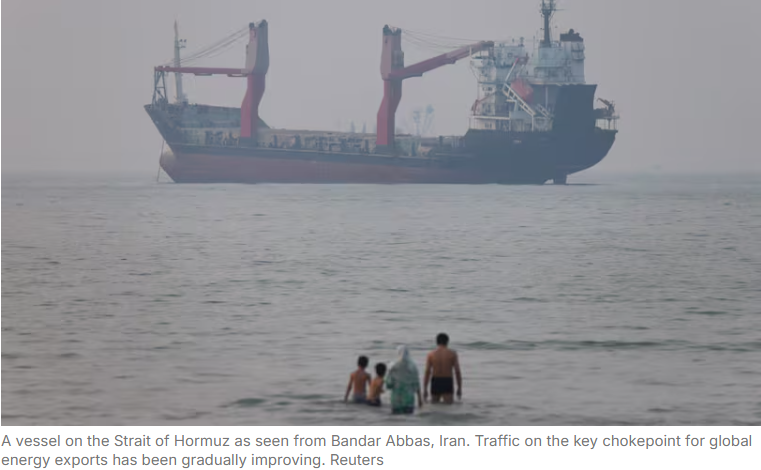
The conflict disrupted tanker movements through the Strait of Hormuz, affecting maritime exports from Saudi Arabia, Kuwait and Iraq.
Also, OPEC data showed the group’s production declined from 42.77 million barrels per day in February to 33.13 million barrels per day in May.
However, output recovered modestly in June after efforts by Washington to help the United Arab Emirates (UAE) and other regional producers secure alternative export routes, although production remained below pre conflict levels.
Nevertheless, crude prices have returned to levels recorded before the conflict as the declines have been linked to weaker Chinese import demand, higher exports from producers outside the Middle East and the coordinated release of strategic oil reserves led by the International Energy Agency (IEA).
Union Bank of Switzerland (UBS) analyst, Giovanni Staunovo, said the decision to continue reversing previous production cuts matched market expectations.
He added that traders would focus on tanker movements through the Strait of Hormuz and the pace of China’s economic recovery.
A memorandum of understanding (MoU) between Washington and Tehran aimed at ending hostilities has also supported market confidence that global supply chains will stabilise.
On Friday, Brent crude traded near $72 per barrel after previously rising above $120, returning to the price level recorded before the conflict began on February 28.
OPEC+ said it is also managing internal disagreements following the departure of the UAE and calls from Iraq for a larger production quota.
Although the alliance consists of 21 countries, monthly production management is now handled by the seven core members who are overseeing the gradual restoration of a 1.65 million barrels per day production cut agreed in 2023.
Also, the UAE left the alliance in late April to remove production restrictions and expand output based on its domestic capacity.
Conseuquently, calculations for August indicate the seven members still have about 379,000 barrels per day left to restore adding that if they approve another production increase of a similar size at their next meeting on August 2, the remaining 2023 supply cuts would be fully reversed, according to reports to.
—