By Jemimah Wellington, JKNewsMedia Reporter
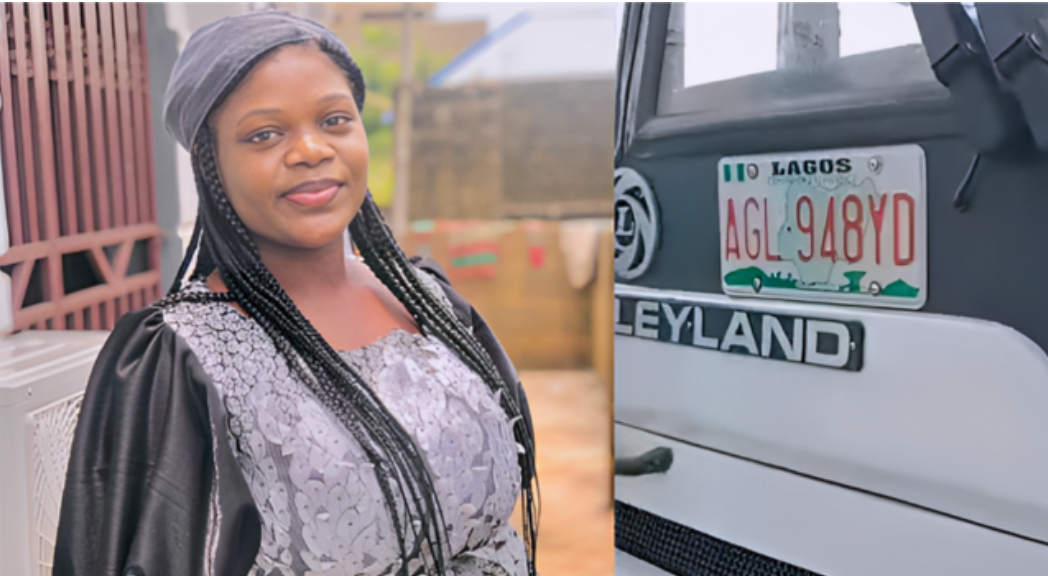
THE LAGOS State High Court has sentenced Bus Rapid Transit (BRT) driver Andrew Nice Ominikoron to death by hanging for the murder of 22-year-old fashion designer Oluwabamise Ayanwola, marking the conclusion of a harrowing trial that captured national attention.
In a ruling delivered at the Tafawa Balewa Square annex, Justice Sherifat Sonaike held that the Lagos State prosecution successfully proved beyond reasonable doubt that Ominikoron was responsible for Ayanwola’s death on 26 February 2022.
The judge, in a session lasting over two and a half hours, declared, “For the death of Oluwabamise Ayanwola, you shall be hanged by the neck until you are dead. May God have mercy on your soul.”
The court relied heavily on circumstantial evidence, including the victim’s dying declaration, medical findings, and forensic testimony.
Though no eyewitnesses were presented, the judge concluded that Ominikoron was the last person seen with Ayanwola before her body was discovered several days after she boarded his BRT bus at Chevron Bus Stop on the Lekki-Ajah expressway.
Ominikoron, who had pleaded not guilty to a five-count charge—including murder, two counts of rape, and two counts of conspiracy—was also convicted for the rape of 29-year-old Nneka Maryjane Ozezulu, whom he assaulted in November 2021.
The court found his pattern of targeting female passengers using his position as a BRT driver to be consistent and predatory.
Two previous victims, including Ozezulu and a medical doctor identified as Dr Anosike Victoria, provided testimony during the trial.
The court also considered the harrowing voice note recorded by Ayanwola shortly before her death, which provided chilling context to her ordeal.
The judge noted that the medical examination did not confirm rape in Ayanwola’s case—no penetration or semen was detected. However, Justice Sonaike ruled that the attempted rape was clearly established and upheld that charge.
The conspiracy count was dismissed due to insufficient evidence.
The prosecution, led by Dr Babajide Martins, Director of Public Prosecution for Lagos State, submitted compelling exhibits including CCTV footage, mobile call logs, and expert testimonies.
Multiple witnesses—surviving victims, law enforcement officers, and forensic experts—testified, building a timeline of events that cornered the defence.
Ominikoron’s crimes drew widespread outrage across Lagos and beyond, igniting debates on the safety of public transportation and the need for reforms in the BRT system.
The tragic case of Bamise Ayanwola became emblematic of the dangers faced by women in public spaces and the urgent demand for accountability.
Justice Sonaike’s ruling is being hailed as a landmark verdict in Nigeria’s criminal justice system, reinforcing the judiciary’s capacity to deliver justice in complex, emotionally charged cases.
Women’s rights groups and members of the public praised the judgment, describing it as a powerful deterrent to gender-based violence and a long-awaited vindication for the victims.
Defence counsel Abayomi Omotubora had pleaded for leniency during allocutus, asking the court to temper justice with mercy.
The court, however, maintained the gravity of the crimes warranted the maximum penalty.
As Andrew Ominikoron now awaits execution, Bamise’s name remains etched in national memory—not as a statistic, but as a symbol of resilience and a turning point in the fight for safer, more accountable public systems.