By Jemimah Wellington, JKNewsMedia Reporter
NIGERIAN LEGISLATORS have advanced a bill seeking to strip the vice-presidents, governors, and deputy governors of their constitutional immunity.
The proposed legislation, sponsored by Solomon Bob, a lawmaker from Rivers State representing the Peoples Democratic Party (PDP), aims to promote greater accountability in public office.
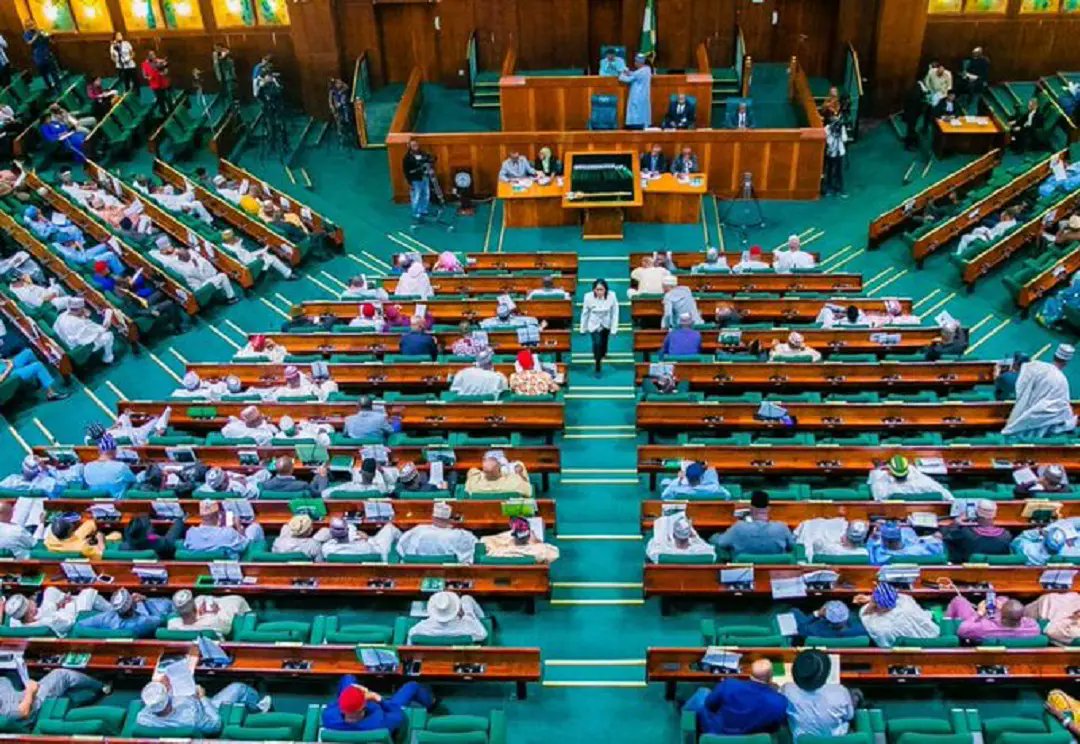
The bill, presented during Wednesday’s plenary session, is part of a broader constitutional amendment initiative. Lawmakers argue that removing immunity will help curb corruption, eradicate impunity, and enhance transparency in governance.
The provision currently shields these officials from prosecution while in office, limiting legal recourse against potential abuses of power.
The measure was among 42 constitutional amendment bills that advanced through second reading on Wednesday.
This follows the passage of 39 similar bills on Tuesday, bringing the total number of proposed amendments to 81.
One of the key constitutional amendment bills seeks to alter the 1999 Constitution to qualify the immunity granted to the president while entirely removing the privilege for the vice-president, governors, and their deputies.
If enacted, the change would mark a significant shift in Nigeria’s legal landscape, ensuring that high-ranking officials can be held accountable for any alleged misconduct while in office.
Another amendment bill proposes the separation of the offices of the Attorney-General of the Federation and Attorney-General of a state from the offices of the Minister of Justice and State Commissioner for Justice, respectively.
This reform is intended to strengthen the independence of the legal system and reduce political interference in the administration of justice.
Additionally, a bill has been introduced to grant citizenship rights to spouses of Nigerian women and establish a minimum quota for youth and women appointees in government positions.
Other proposed amendments include the creation of new states such as Ijebu, Ife-Ijesa, Tiga, Orlu, and Etiti, reflecting longstanding demands for greater regional representation and autonomy.
The amendment bills were not subjected to extensive debate before their passage through second reading.
However, they represent a significant legislative push to reshape Nigeria’s constitutional framework.
It is noted that the next stage will involve further scrutiny and potential modifications before final adoption.