By Joke Kujenya
AT DUSK, the air hums with the sound of mosquitoes.
Inside a small room in a modest apartment in Iwaya side of Lagos, children fall asleep under nets treated with new insecticides, which each night, forms a shield against a disease that has haunted families for generations.
Similarly in nearby clinics, tiny patients receive malaria vaccines as part of routine immunisations. And during seasonal campaigns, health workers move from house to house, delivering medicines to protect children through the months when malaria is most deadly.
These simple tools are saving lives. In 2024, they prevented an estimated 170 million malaria cases and saved about 1 million lives, according to the World Health Organization (WHO).
Since the approval of the first malaria vaccines in 2021, 24 countries have included them in routine immunisation schedules.
Seasonal malaria prevention has also expanded dramatically, reaching 54 million children in 20 countries last year, up from just a fraction of a million in 2012.
Slowly but steadily, these interventions are becoming part of everyday health systems, quietly shielding children from a deadly disease.
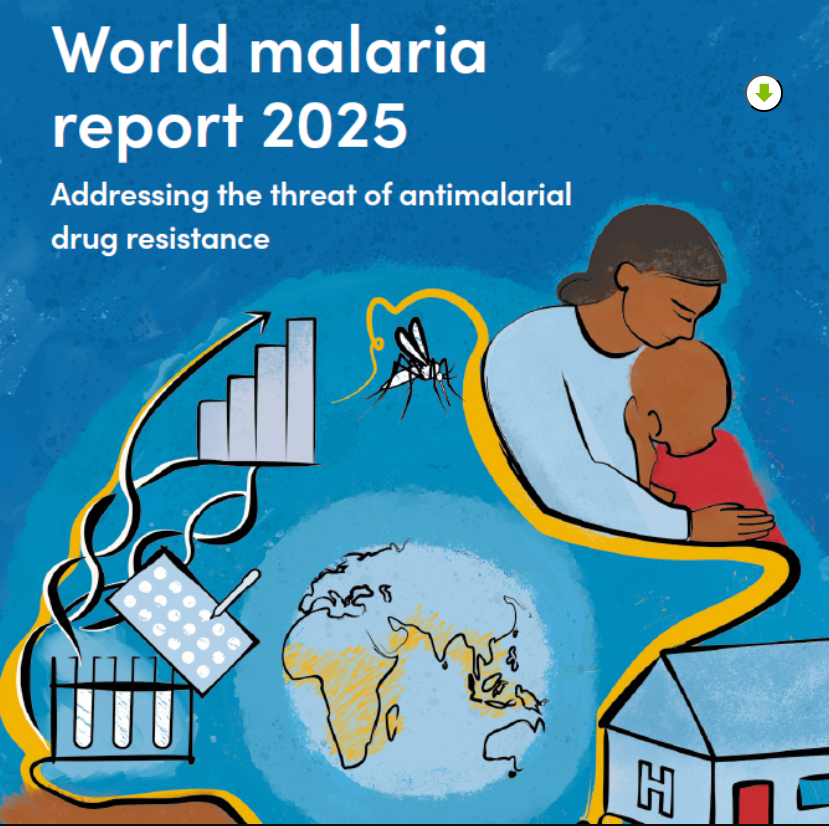
Still, malaria remains relentless. WHO reported 282 million cases in 2024, with 610 000 deaths.
Most of these victims were children under five in Africa, making the fight against malaria as urgent as ever.
“New tools for prevention of malaria are giving us new hope, but we still face significant challenges,” said WHO Director-General Dr Tedros Adhanom Ghebreyesus.
Also, rising drug resistance, funding cuts, and increasing case numbers threaten progress, he warned, but with focused investment and leadership from affected countries, a malaria-free world remains possible, he added.
Some victories are visible as Cabo Verde and Egypt were certified malaria-free in 2024, and Georgia, Suriname, and Timor-Leste joined them in 2025.
Across Africa, these successes are reminders that coordinated effort can yield measurable results.
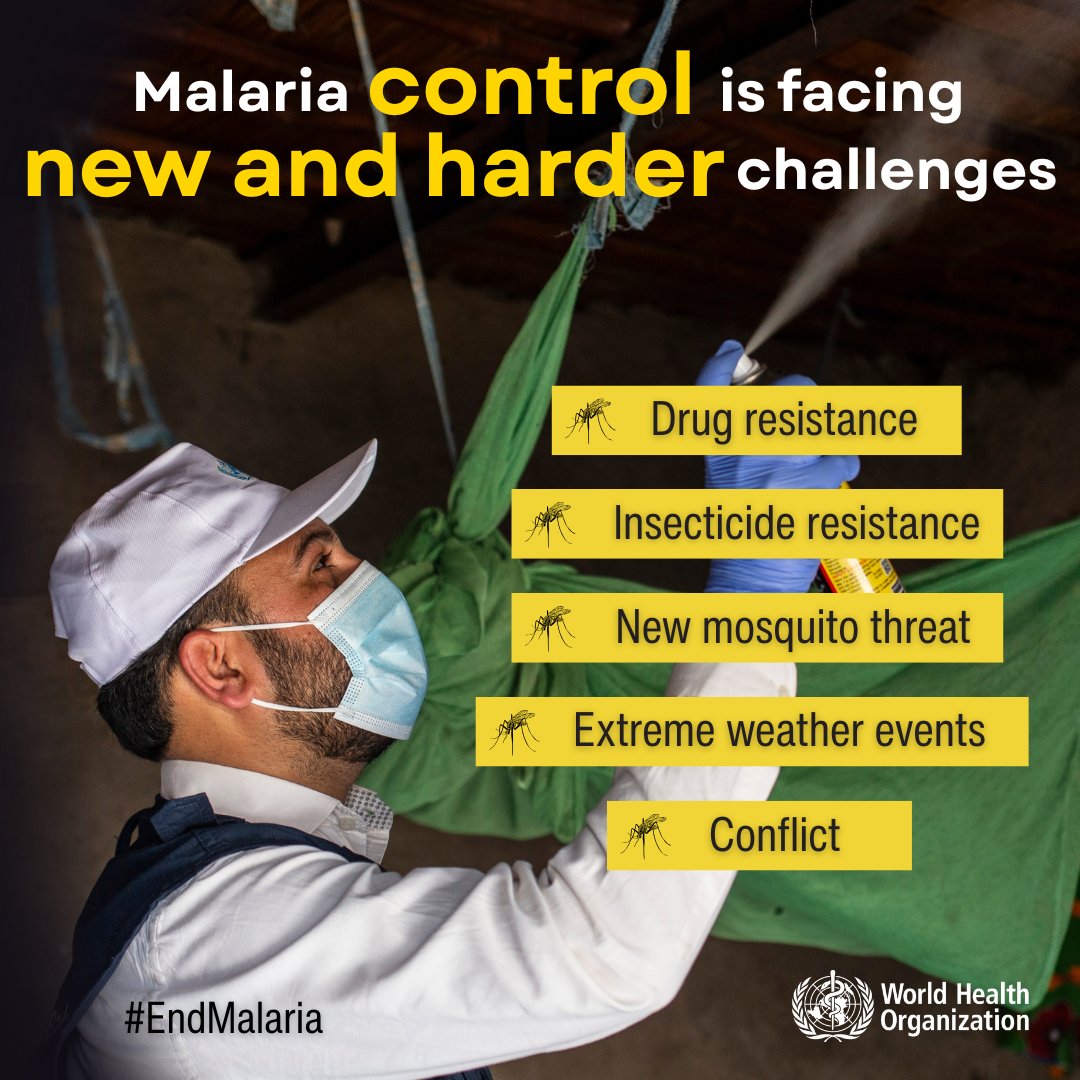
Yet malaria is adapting. Drug resistance is growing in several countries, weakening the effectiveness of treatments. The disease is finding new ways to survive, as mosquitoes spread into cities and parasites mutate to avoid detection.
Families who believed they were safe can suddenly face renewed risk, WHO report reveals.
Malaria also thrives in the cracks of fragile systems, the report adds.
Conflicts, political instability, and climate extremes make it harder for children to receive timely care.
Funding gaps mean fewer health workers, delayed campaigns, and risk of running out of essential medicines.
In 2024, global investment reached just US$3.9 billion, far below the target set to ensure coverage for everyone at risk.
Even with these challenges, hope persists.
The WHO report states that new medicines are emerging, and long-standing interventions, nets, vaccines, seasonal preventive treatments, are saving lives every day.
“Our response must be equally clear, new medicines with new mechanisms of action,” said Dr Martin Fitchet, CEO of Medicines for Malaria Venture, pointing to the first non-artemisinin combination therapy as a breakthrough.
For families across Africa, the difference between life and death can be a net hung over a crib, a vaccine administered at a clinic, or a pill given during a seasonal campaign.
Each intervention is a lifeline. Children sleep safely, parents breathe easier, and communities slowly push back against a disease that has been a constant shadow, the report stated.
WHO stresses that each vaccination, chemoprevention campaign, and net delivered matters whilst Cabo Verde and Egypt’s malaria-free status, along with other countries following in 2025, shows that success is possible even amid rising cases globally.
Dr Tedros concluded that a malaria-free world remains achievable urging that leadership from affected countries, global partnerships, and targeted investment can protect the progress already made and ensure that millions of children continue to survive beyond the reach of malaria.