By Joke Kujenya
WOMEN EXPERIENCING hot flushes, disrupted sleep, mood changes and other symptoms of menopause have access to treatment options that can ease discomfort, but limited awareness and inadequate healthcare support continue to leave many without the help they need; the World Health Organisation (WHO) has revealed.
JKNewsMedia.com reports that the WHO says menopause usually occurs between the ages of 45 and 55 as a natural part of biological ageing, marking the end of a woman’s reproductive years.
However, the transition often begins several years before menstruation stops completely, bringing physical, emotional and psychological changes that can affect daily activities and quality of life.
The transitional phase, known as perimenopause, typically begins with changes in menstrual patterns and ends 12 months after a woman’s final menstrual period.
During this period, hormonal changes can trigger symptoms that range from mild discomfort to severe disruptions lasting several years.
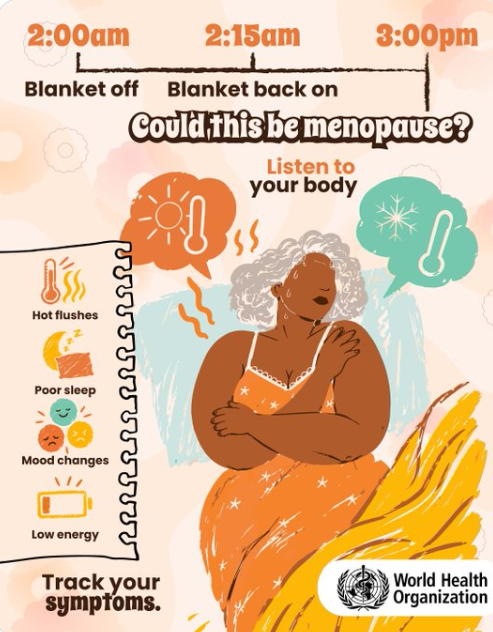
Hot flushes and night sweats are among the common symptoms.
Women may experience sudden feelings of heat around the face, neck and chest, sometimes accompanied by sweating, palpitations and physical discomfort.
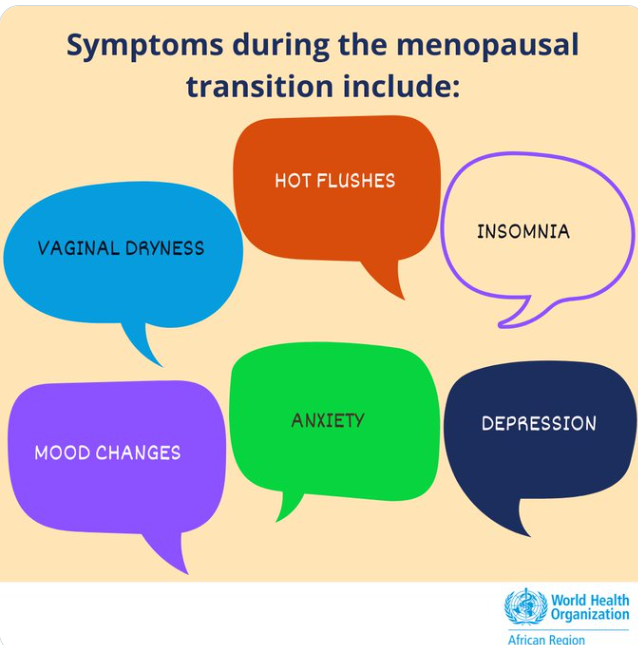
Other symptoms include irregular menstrual cycles, vaginal dryness, pain during sexual intercourse, urinary incontinence, insomnia, anxiety, depression and mood changes.
While some women experience few or no symptoms, others find the transition difficult to manage without appropriate support and care.
The biological changes associated with menopause stem from the loss of ovarian follicular function and declining levels of circulating estrogen.
Although natural menopause generally occurs within the 45 to 55 age range, some women experience it before turning 40 because of chromosomal abnormalities, autoimmune disorders or other unknown causes.
Menopause can also occur following medical or surgical procedures that stop ovarian function, including the removal of both ovaries, chemotherapy or radiation therapy.
The absence of menstrual periods does not always mean a woman has reached menopause. Some women stop menstruating after certain surgical procedures or while using hormonal contraceptives and other medicines yet may still experience symptoms associated with the menopausal transition.
Beyond immediate discomfort, WHO adds that menopause can affect longer-term health as declining estrogen levels contribute to bone loss, increasing the risk of osteoporosis and fractures.
The transition can also affect body composition and cardiovascular risk, while weakening pelvic support structures and increasing the likelihood of pelvic organ prolapse.
These changes make appropriate healthcare and regular attention to personal well-being important during and after the transition.
Despite the availability of interventions, awareness of menopause and access to related services remain significant public health challenges in many countries.
WHO says women may not even recognise their symptoms as menopause-related or know that counselling and treatment options exist.
The health body also says that silence surrounding the subject within families, communities, workplaces and healthcare settings can further prevent women from seeking assistance as some may feel embarrassed or ashamed to discuss their experiences, leaving symptoms unaddressed even when they interfere with their personal and professional lives.
It adds that healthcare providers also face challenges, particularly where their training does not adequately prepare them to recognise perimenopausal and postmenopausal symptoms or explain available treatment options.
Menopause sadly receives limited attention in the training curricula of many healthcare workers, restricting opportunities for women to receive informed advice and appropriate care, WHO stressed.
Sexual health presents another concern.
Vaginal dryness and pain during intercourse often affect women’s sexual well-being after menopause, yet these symptoms may go untreated.
Older women may also underestimate their risk of sexually transmitted infections, including the Human immunodeficiency Virus (HIV), or may not receive adequate counselling on safer sex and testing.
Then, thinning of the vaginal wall after menopause can increase the likelihood of lesions and tears, raising the risk of HIV transmission during vaginal sex because the transition does not eliminate the possibility of acquiring sexually transmitted infections through unprotected sexual contact.
Pregnancy also remains possible during perimenopause, WHO says.
Women seeking to avoid an unintended pregnancy are advised to continue using contraception until they have experienced 12 consecutive months without menstruation.
However, pregnancy after menopause is unlikely without fertility treatment involving donor eggs or previously frozen embryos.
World health organ counsels that managing menopause requires care that reflects each woman’s medical history, personal circumstances, values and preferences.
It says both hormonal and non-hormonal interventions can help relieve symptoms, while women experiencing difficulties that affect their health or daily lives should discuss available options with a healthcare professional.
The transition also offers an opportunity to reassess health, lifestyle and personal goals.
WHO further adds that a woman’s health entering perimenopause is influenced by her earlier health and reproductive history, lifestyle and environmental factors, making continued attention to well-being important as she ages.
JKNewsMedia.com also reports that social and cultural attitudes can further shape the experience given that gender norms, family relationships and beliefs about female ageing may influence whether women feel able to discuss their symptoms and seek help.
On a larger scale, the organisation reveals that the growing population of women living beyond menopause adds to the importance of accessible and appropriate care.
In 2021, women aged 50 and above accounted for 26 per cent of all women and girls globally, compared with 22 per cent a decade earlier. Globally, a woman aged 60 in 2019 could expect to live an average of another 21 years.
Painfully till date, many governments lack health policies and financing arrangements that adequately incorporate menopause diagnosis, counselling and treatment into routine healthcare services, WHO laments, while adding that competing health priorities can further limit the resources available for these services.
It then suggests that improving access to reliable information, trained healthcare professionals and suitable treatment options remains essential to supporting women through the transition.
WHO stresses that menopause is a natural stage of life, but its effects on physical health, emotional well-being and social relationships should not be dismissed as experiences women must simply endure.
—

Share Your Story with us!
Advertise with us!
Publicity for a product, service, or event!
Contact: WhatsApp Only: +2348039560647
Email: jkmediapress@gmail.com