By Jemimah Wellington, JKNewsMedia Correspondent
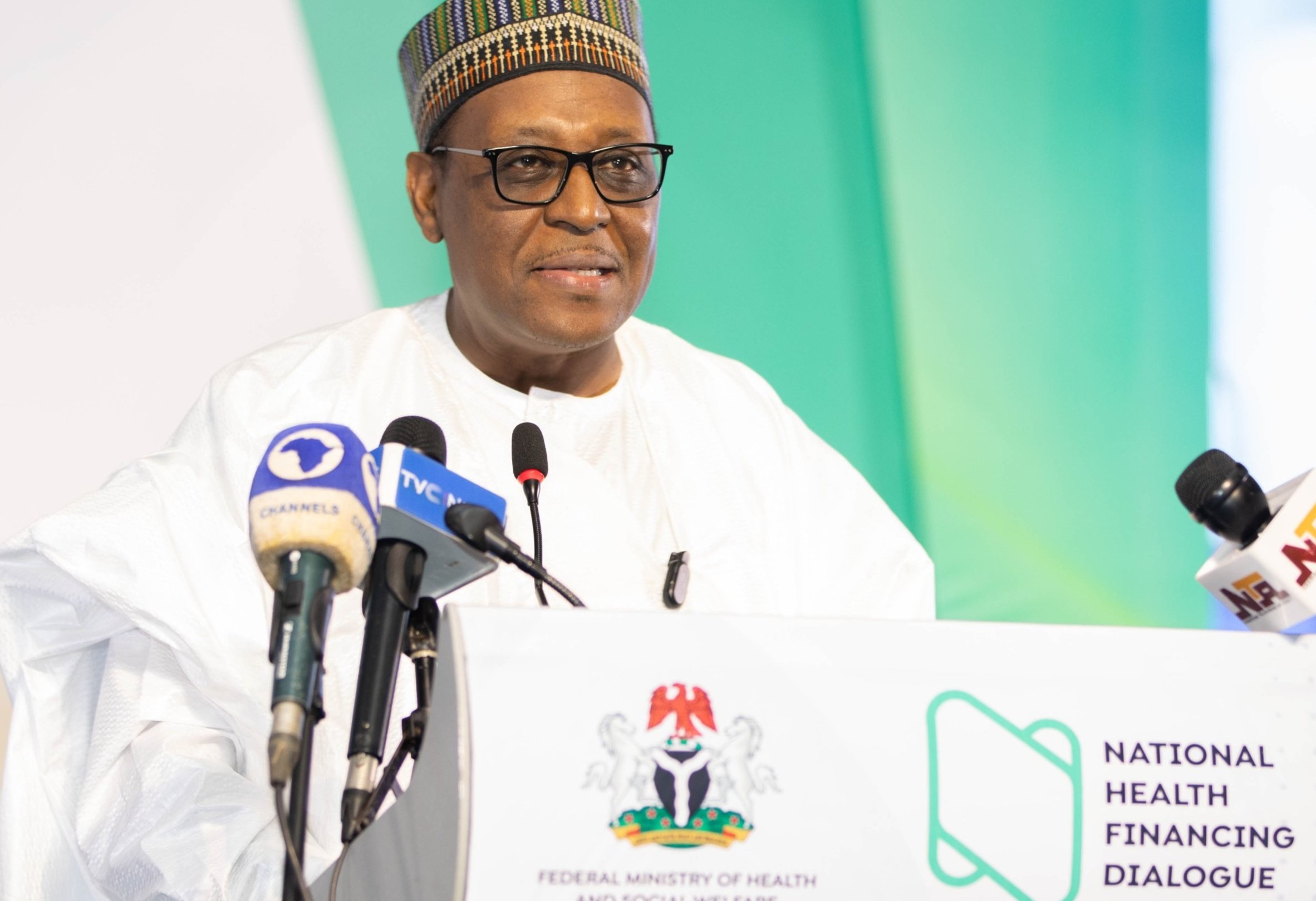
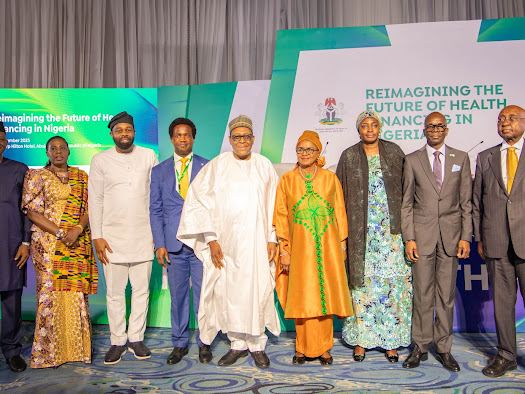
DRIVE INTENSIFIED in Abuja as government leaders, state governors, legislators, development partners, and civil society representatives converged for the National Dialogue on Health Financing in Nigeria.
The four-day forum, themed “Turning Health Commitments into Tangible Impact through Government Action and Partner Collaboration,” focused on pathways to secure sustainable, equitable, and efficient financing for the country’s healthcare system.
Federal Government officials, including Coordinating Minister of the Economy and Minister of Finance Wale Edun, Minister of Budget and Economic Planning Senator Atiku Bagudu, and Senator Harry I. Banigo, Chair of the Joint National Assembly Committee, participated alongside state governors led by Professor Charles Soludo of Anambra State.
Also present were heads of federal agencies, commissioners of health, private sector leaders, development partners, academia, and representatives of community voices.
The gathering reiterated that Nigeria’s health sector reforms are guided by the leadership of President Bola Tinubu.
According to participants, the recent presidential directive mandating health insurance through the National Health Insurance Authority (NHIA) has set a new benchmark by moving commitments from aspiration to enforcement.
They noted that his directive is expected to strengthen financial protection and ensure a healthier workforce. The government aims to expand health insurance coverage to 44 million Nigerians by 2030, the largest insured pool on the African continent.
Delegates at the Dialogue also reviewed progress in ongoing reforms, which include the expansion of the Vulnerable Groups Fund, provision of free emergency obstetric services, completion of thousands of fistula repairs, and subsidies for dialysis.
Further achievements they outlined were the establishment of the Catastrophic Health Insurance Fund in the proposed 2025 budget and strengthened partnerships to boost local pharmaceutical and medical manufacturing.
These initiatives, they also acknowledged, were steps already saving lives and reinforcing health system resilience.
Persistent challenges were also highlighted.
High out-of-pocket spending by citizens, uneven insurance coverage, delayed counterpart funding, and weaknesses in accountability and data systems remain obstacles.
The participants stressed that lessons from global experience confirm that swift progress towards universal health coverage requires governments to expand public financing through economic growth, stronger revenue mobilisation, and deliberate prioritisation of health expenditure.
Fiscal reforms were noted as a foundation for progress. Officials pointed to reductions in the national deficit from 5.4 percent of GDP to 3 percent, increases in government revenue to 11.5 percent of GDP, and surpluses recorded across 34 states.
It was further agreed that these gains in fiscal space must be applied to strengthen health as human infrastructure and as a pillar of national security.
Next steps outlined at the Dialogue include presenting recommendations to the National Economic Council (NEC) on domesticating health laws across states to safeguard the Basic Health Care Provision Fund (BHCPF), ensuring counterpart contributions are deducted at source for timely release, and allocating periodic savings from the Federation Accounts Allocation Committee (FAAC) to health, school feeding, and social protection.
Further legislative action, they also admiited is expected through the National Assembly bill to raise BHCPF funding above one per cent of the Consolidated Revenue Fund, thereby ensuring stable resources for vaccines, essential medical commodities, and protection for vulnerable groups.
Discussions further reaffirmed the role of the private sector in bridging financing gaps.
Others are impact investing, tax incentives, and public-private partnerships were identified as key mechanisms to expand investment in healthcare infrastructure, medical manufacturing, and service delivery. Health taxes on alcohol, tobacco, and sugar-sweetened beverages were presented as measures capable of reducing harmful consumption while generating additional revenue for the sector.
The NHIA was tasked to continue implementing market-shaping strategies to lower the cost of care through pooled procurement and to support the growth of local manufacturers.
Participants further underlined that accountability and reliable data remain central to ensuring reforms achieve intended results.
Commitments were made to quarterly performance dialogues with states, the Joint Annual Review, the Council on Health, and the mini-Demographic and Health Survey as tools for course correction and stronger outcomes.
The participants closed the Dialogue with a reaffirmation that Nigeria’s path to universal health coverage will depend on consistent government action, reliable financing, strengthened partnerships, and effective monitoring to ensure commitments translate into tangible improvements in citizens’ health and wellbeing.