By Helen Okechukwu, JKNewsMedia Reporter
HEALTH JOURNALISM must move beyond routine reporting and become a force that drives accountability, influences policy reforms, and improves healthcare delivery in Nigeria, media experts and health advocates have said.
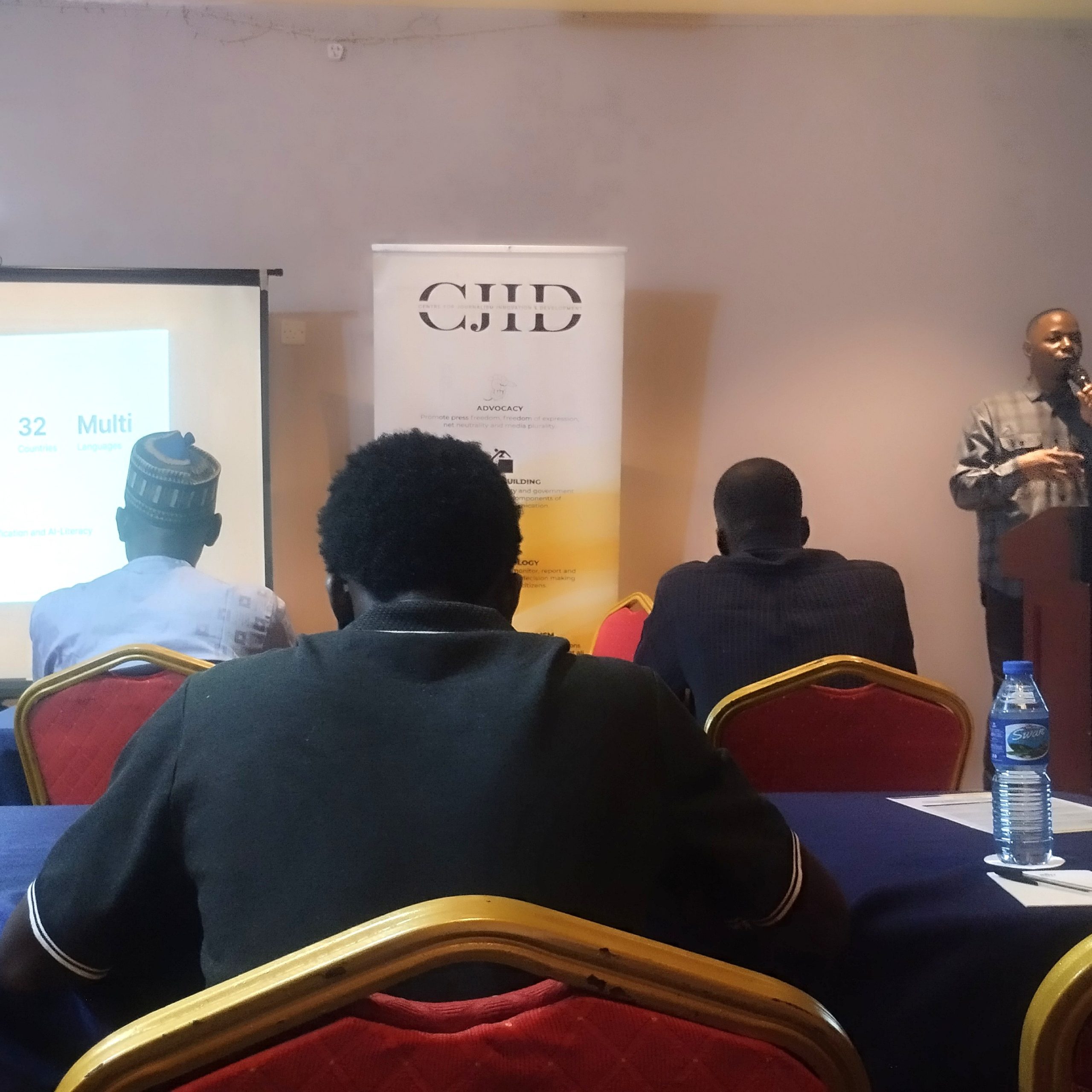
JKNewsMedia.com reporter who participated in the training, writes that the call was made during a two-day Capacity Building Workshop on Investigative Skills Covering Nigeria’s Priority Health Challenges, organised by the Centre for Journalism and Development (CJID) in Abuja for 50 journalists drawn from different media organisations across the country.
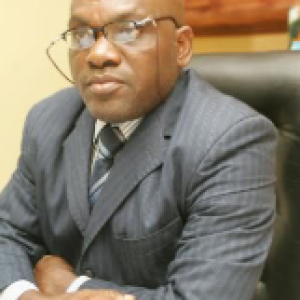
Speaking at the session, the Chief Executive Officer of CJID and Publisher of Premium Times, Dapo Olorunyomi, urged journalists covering the health sector to remain accurate, truthful, and professional in their reporting, stressing that ethical journalism remains critical to strengthening democracy.
Olorunyomi said accountability journalism must be rooted in credible evidence, rigorous fact-checking, and field-based investigations capable of exposing systemic failures within Nigeria’s health sector.
According to him, investigative journalism plays a significant role in influencing government policies and promoting reforms across the country’s healthcare system.
He encouraged young journalists to move beyond surface-level reporting and embrace deeper, solution-driven storytelling capable of holding public officials and institutions accountable.
“If you want to hold people accountable, you must do a different type of reporting,” he told participants during the workshop.
The veteran journalist also stressed the importance of professionalism in health reporting, describing the sector as one that directly affects public trust, policy decisions, and human lives.
Understanding Nigeria’s Health Challenges
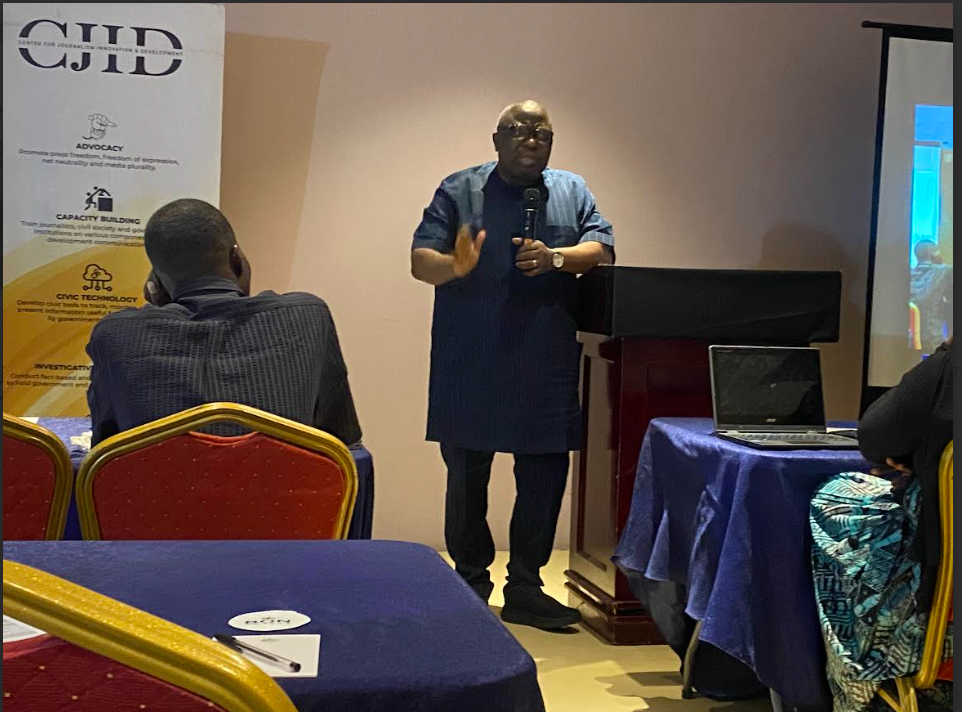
Delivering a presentation titled Understanding Nigeria’s Health Crisis: Issues in Maternal and Child Health, Family Planning, and Infectious Diseases, Mr. Ibukun Oguntola, Programme and Advocacy Manager at Nigeria Health Watch, identified critical barriers limiting access to healthcare in Nigeria.
Oguntola explained that three major delays continue to worsen health outcomes for many Nigerians – delayed decision-making in seeking medical care, poor accessibility to healthcare facilities, and inadequate quality of care within the health system.
He said the persistence of these challenges raises serious concerns about the effectiveness of Nigeria’s healthcare delivery structure.
Speaking further on infectious diseases, he identified prevention, detection, and response as the three pillars required to tackle disease outbreaks effectively.
According to him, outbreaks can be significantly contained when these pillars are properly implemented through coordinated healthcare interventions and public awareness.
Tackling Misinformation In Health Reporting
Speaking on Addressing Health Misinformation, Dubawa Editor, Lios Ugbede, charged journalists to strengthen verification processes and trace the origin of information before publication.
She warned that the spread of misinformation, particularly in health reporting, could worsen public confusion and undermine healthcare interventions.
Ugbede urged journalists to identify red flags in stories, verify information using multiple sources, avoid personal biases, and write responsible headlines capable of informing rather than misleading the public.
She also advised reporters covering maternal and child health issues to avoid blame narratives while reporting deaths and medical emergencies.
According to her, sensitive reporting requires empathy, context, and factual accuracy.
Journalism And Policy Reforms
Another session focused on the role of journalism in shaping public policies and reforms within the health sector.
Speaking on the topic Reporting That Moves Policy: Bridging the Gap Between Journalism and Health Policy Reform, CJID Programme Manager, Ifeanyi Chukwudi, encouraged journalists to pursue stories capable of driving measurable policy changes.
Chukwudi explained that policy reforms often remain ineffective when there are no concrete actions to enforce implementation.
He urged journalists to investigate the chain of responsibility behind public health failures and expose gaps in governance and accountability.
Participants at the workshop were also trained on the use of digital tools to improve reporting, identifying indicators of functional health systems, and tracking public spending for accountability journalism.
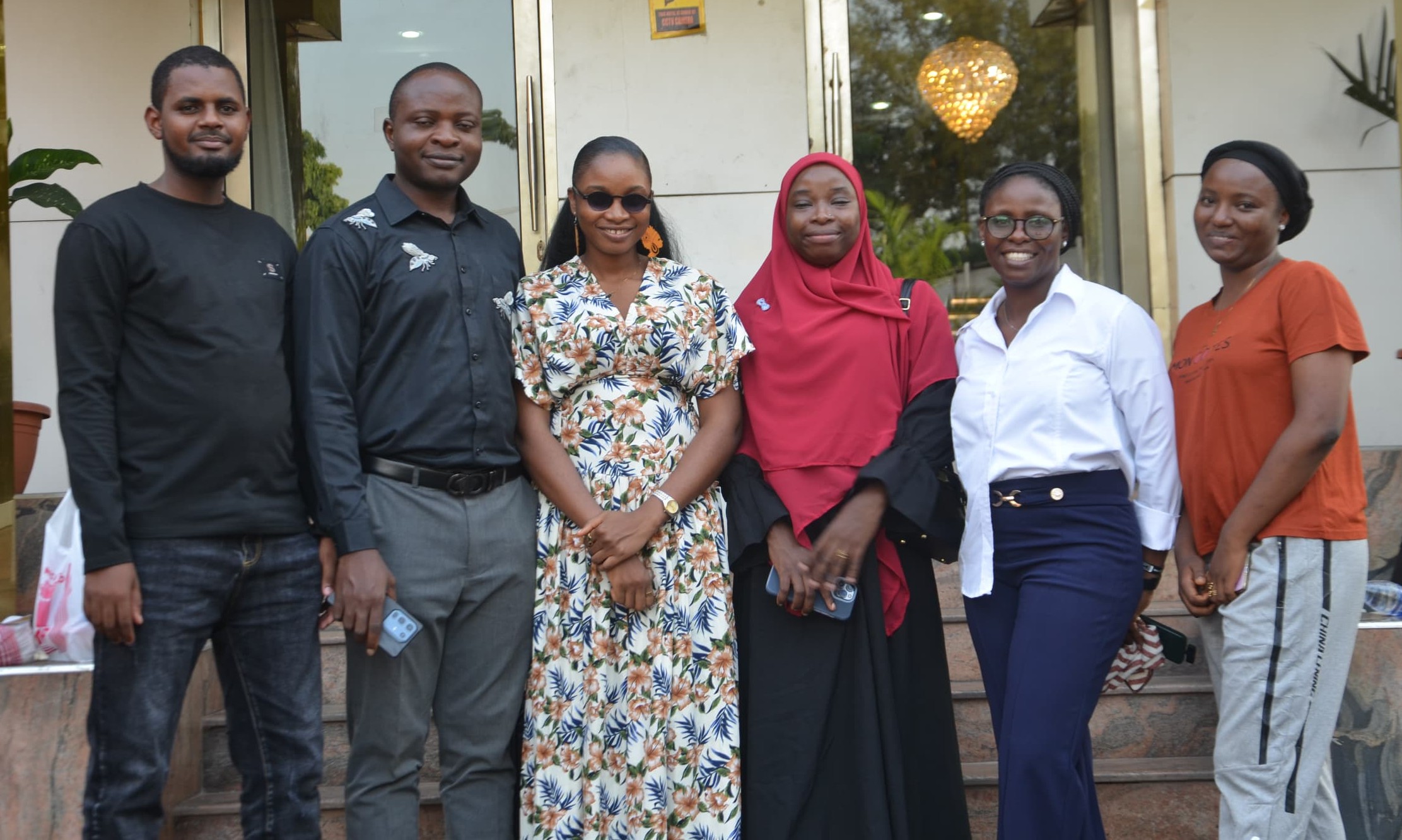

Participants reflect on lessons from the workshop
Some participants described the training as a transformative experience that strengthened their understanding of investigative and accountability journalism.
Mr. Emmanuel Agbo of Premium Times said the workshop sharpened his critical thinking and expanded his understanding of how investigative reporting can influence public policies.
He stressed the importance of field reporting and direct engagement with affected communities rather than relying on assumptions or second-hand information.
“A journalist should not just sit in one place,” he said. “You should move around, meet people affected by issues, and gather information directly from the field instead of depending on hearsay.”
Agbo added that journalists must consistently go beyond their comfort zones in order to avoid weak reporting and the spread of unverified information.
Another participant, Mr. Babkols Taiwo, emphasised the need for caution and thorough verification in health reporting.
“When it comes to health reporting, we have to be very careful about the kind of information we put outside,” he said.
“You have to verify your sources, do follow-ups, and properly trace where information is coming from before publishing.”
Freelance journalist Peace Oladipo noted that health journalism extends beyond ordinary reporting because it directly shapes public understanding and influences lives.
According to her, journalists must recognise the impact of information dissemination within healthcare communication and ensure that accuracy remains central to their work.
She also highlighted the importance of understanding the “problem stream,” “policy stream,” and “political stream” in developing impactful health stories capable of influencing reforms.
Speaking after the training, Chigogorum Ugwu said participants learned the importance of producing impact-driven journalism capable of improving society and influencing policy decisions.
Ugwu explained that the sessions reinforced the need for fact-checking, truthfulness, accuracy, and contextual reporting to help audiences better understand health-related issues.
He added that participants were taught how to scrutinise funding for Primary Health Centres (PHCs) by tracking budget allocations, releases, and implementation processes to ensure accountability in the healthcare system.
Also reflecting on the workshop, Hammand Abdularasheed said the training improved his understanding of reporting infectious diseases, monitoring PHCs, tracking public spending, and maintaining ethical standards in accountability journalism.
The workshop formed part of broader efforts by CJID to strengthen investigative reporting in Nigeria’s health sector and equip journalists with practical tools for holding institutions accountable through evidence-based reporting.
—