By Jemimah Wellington, JKNewsMedia Correspondent
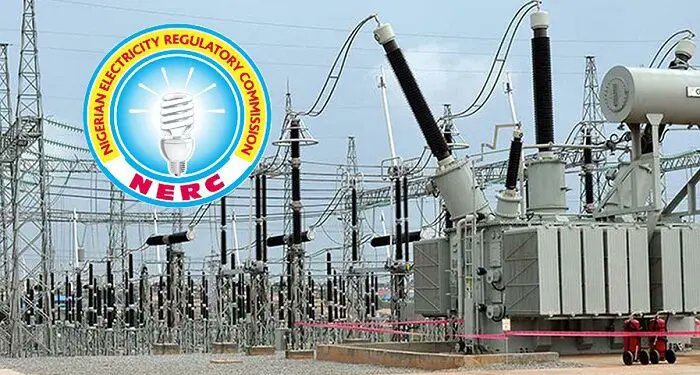
STATE AUTHORITIES must fully reflect wholesale electricity costs in tariffs or be prepared to cover the difference through subsidies, the Nigerian Electricity Regulatory Commission (NERC) has said.
The warning followed tariff cuts by the Enugu Electricity Regulatory Commission (EERC), sparking market-wide concerns over the financial viability of Nigeria’s power sector.
On 21 July, the EERC slashed the Band A tariff from N209 to N160.4/kWh within the Mainpower Electricity Distribution Limited (MEDL) network – a move distribution companies (DisCos) have resisted.
According to NERC, the rate adjustment failed to account for the true cost of generation and transmission supplied via the national grid.
NERC clarified that while subnational regulators now exercise oversight under the Electricity Act 2023, their jurisdiction does not extend to grid infrastructure or generation assets established under federal law.
The commission emphasised that state-level tariff designs must incorporate full wholesale costs “without any qualification or deviation.”
A breakdown of the Enugu adjustment shows that the new tariff was based on reducing the generation component from N112.60 to N45.75/kWh – implying a subsidy assumption of N66.85 per unit.
NERC has also cautioned that any such deviation without corresponding fiscal support could distort pricing dynamics and endanger the financial stability of the Nigerian Electricity Supply Industry (NESI).
The commission reiterated its legal mandate under section 34(1) of the Electricity Act 2023 to foster efficiency, preserve market structure, and ensure optimal utilisation of electricity resources.
It further stated that while state-level regulators like the EERC have similar obligations, both institutions must avoid actions that jeopardise the wholesale electricity market or the national grid.
NERC acknowledged ongoing engagement with the EERC regarding its latest tariff order, aimed at resolving areas of misunderstanding around the cost of grid-supplied power.
As the regulatory landscape shifts to accommodate state-level participation, NERC reaffirmed its commitment to cost-reflective pricing frameworks anchored in financial sustainability, transparency, and federal law.