By Joke Kujenya
MEN BEING investigated for prostate cancer could avoid unnecessary biopsies through a specialised imaging technique that identified 70 of 77 cancer cases in a study involving 194 patients, while also predicting the disease in 23 of 24 patients who developed tumours within 35 months of their scan, a new study has found.
JKNewsMedia.com reports that researchers at the Medical University of Vienna (MUV) found that the scan successfully identified 70 of 77 prostate cancer cases, while also helping to distinguish patients without clinically significant tumours.
Traditionally, a blood test can indicate the possibility of prostate cancer, but confirming the diagnosis has long relied on collecting a tissue sample through an outpatient biopsy procedure.
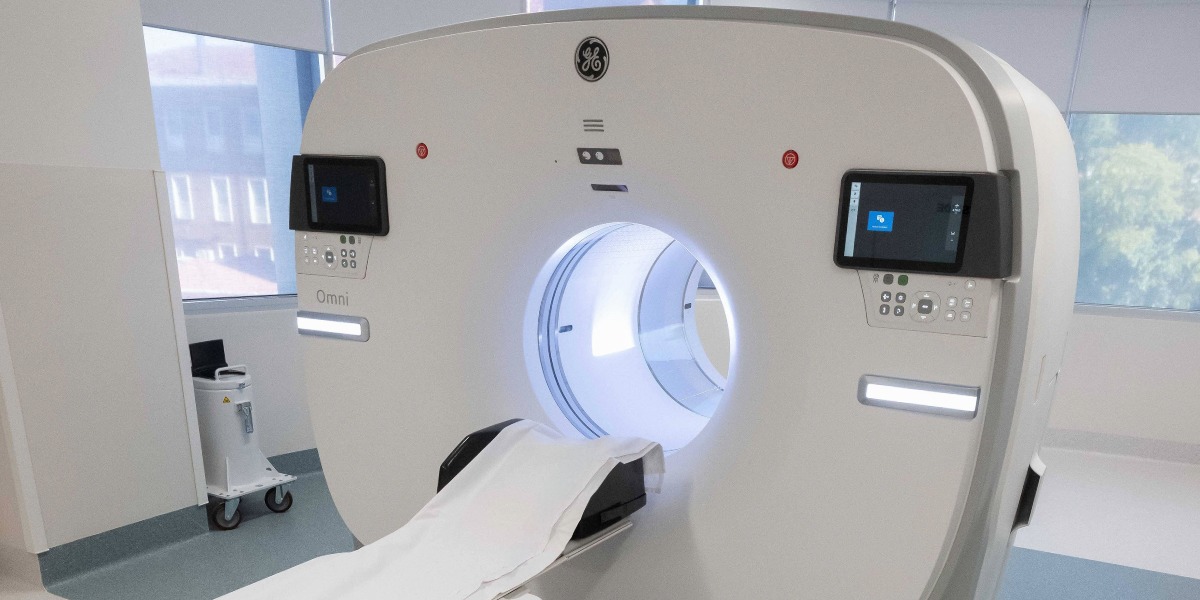
The new technique uses Positron Emission Tomography (PET) imaging with a small amount of a radioactive substance that binds to tissue abundant in prostate cancer cells. Doctors can then use computed tomography imaging to visualise the cancer more precisely.
The MUV study also found that the scan could provide information about the likelihood of developing prostate cancer in the future.
Among patients without an active tumour at the time of imaging, the test predicted subsequent cancer in 23 of the 24 patients who developed the disease within 35 months of their scan.

MUV findings suggest that the technique could offer useful information early in the diagnostic process, helping doctors make more informed decisions about which patients require further investigation.
Study lead Marcus Hacker said the high diagnostic value of a normal scan result was particularly important, as it could help determine which patients actually need a biopsy.
“Our results show that [this scan] may be able to provide valuable information at a very early stage of the diagnostic work-up. The high diagnostic value of a normal result is particularly relevant here. In future, this could help to make better decisions about which patients actually require a biopsy,” Hacker said in a statement.
The researchers’ study findings, published in the new journal The Lancet Medical Imaging and Theranostics, also notes that although the authors said the technique could eliminate many unnecessary biopsies, they however, stressed that further research would be needed before it could be integrated into medical treatment.
—

Share Your Story with us!
Advertise with us!
Publicity for a product, service, or event!
Contact: WhatsApp Only: +2348039560647
Email: jkmediapress@gmail.com