By JKNewsMedia
THE FEDERAL Government has been advised to urgently confront deep-rooted constitutional and structural weaknesses, including revisiting previous national conference recommendations, to avert what a political science professor describes as an impending national catastrophe.
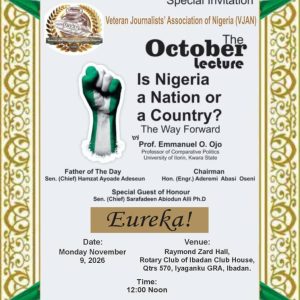
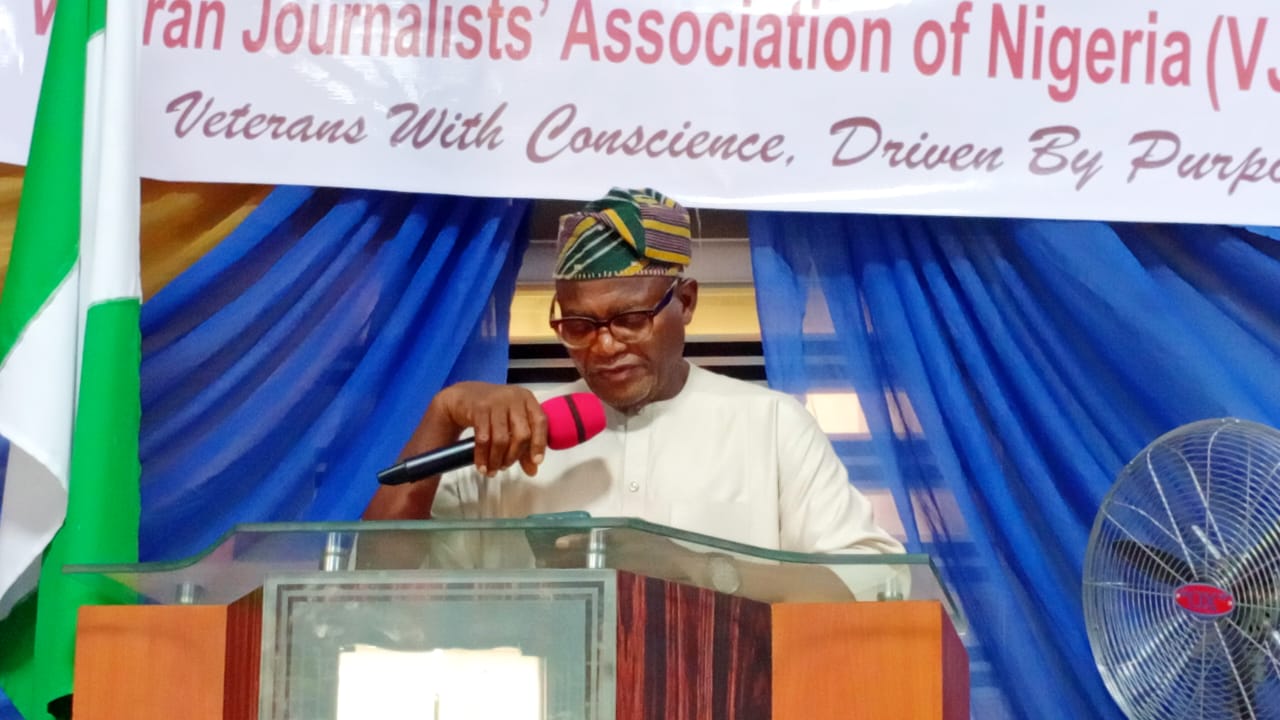
JKNewsMedia.com reports that Professor of Comparative Politics at the University of Ilorin (UNILORIN), Emmanuel O. Ojo, made the call while delivering the October Lecture of the Veteran Journalists Association of Nigeria (VJAN) in Ibadan, Oyo State, on Monday.
Speaking on the theme, “Is Nigeria A Nation Or A Country? The Way Forward”, Ojo urged the administration of President Bola Tinubu to revisit reports from the national conferences convened during the administrations of former military Head of State, General Sani Abacha, and former Presidents Olusegun Obasanjo and Goodluck Jonathan.
He also challenged the Federal Government (FG) to determine whether Nigeria should operate a two-tier or three-tier federal arrangement, arguing that the existing system has weakened local government administration and hindered grassroots development.
Ojo maintained that Nigeria needed a new constitutional framework that would devolve powers to the federating units rather than continue with what he described as an unworkable constitution.
“It behoves on the country to put into abeyance the unworkable constitution we parade as the ground norm and come up with a new one that shall devolve powers to the federating units in pronto,” he said.
He argued that granting local governments genuine autonomy would accelerate development, particularly given the country’s size and administrative demands.
Questioning Nigeria’s status as a nation, the professor said the country lacked several defining attributes of nationhood, describing it as a plural and deeply divided society with diverse cultures, traditions, physical identities, dressing patterns, languages and dialects.
He said Nigeria could more appropriately be described as a country or nation-state, while acknowledging the difficulties of achieving unity across its numerous differences.
According to him, national integration requires sustained efforts and a psychological reawakening that encourages citizens to develop stronger emotional attachment to the country.
“The work of national integration is a continuous one that takes long process more so in a plural and deeply divided society like Nigeria. It requires much of psychological reawakening of sentimental attachment to the country,” he said.
Ojo lamented that successive efforts to unite Nigerians since independence had failed to deliver the desired results, insisting that divisions had deepened rather than diminished.
“Sadly enough Nigerians are much more divided today than they were before the 30-month agonising civil war between 1967 and 1970,” he said.
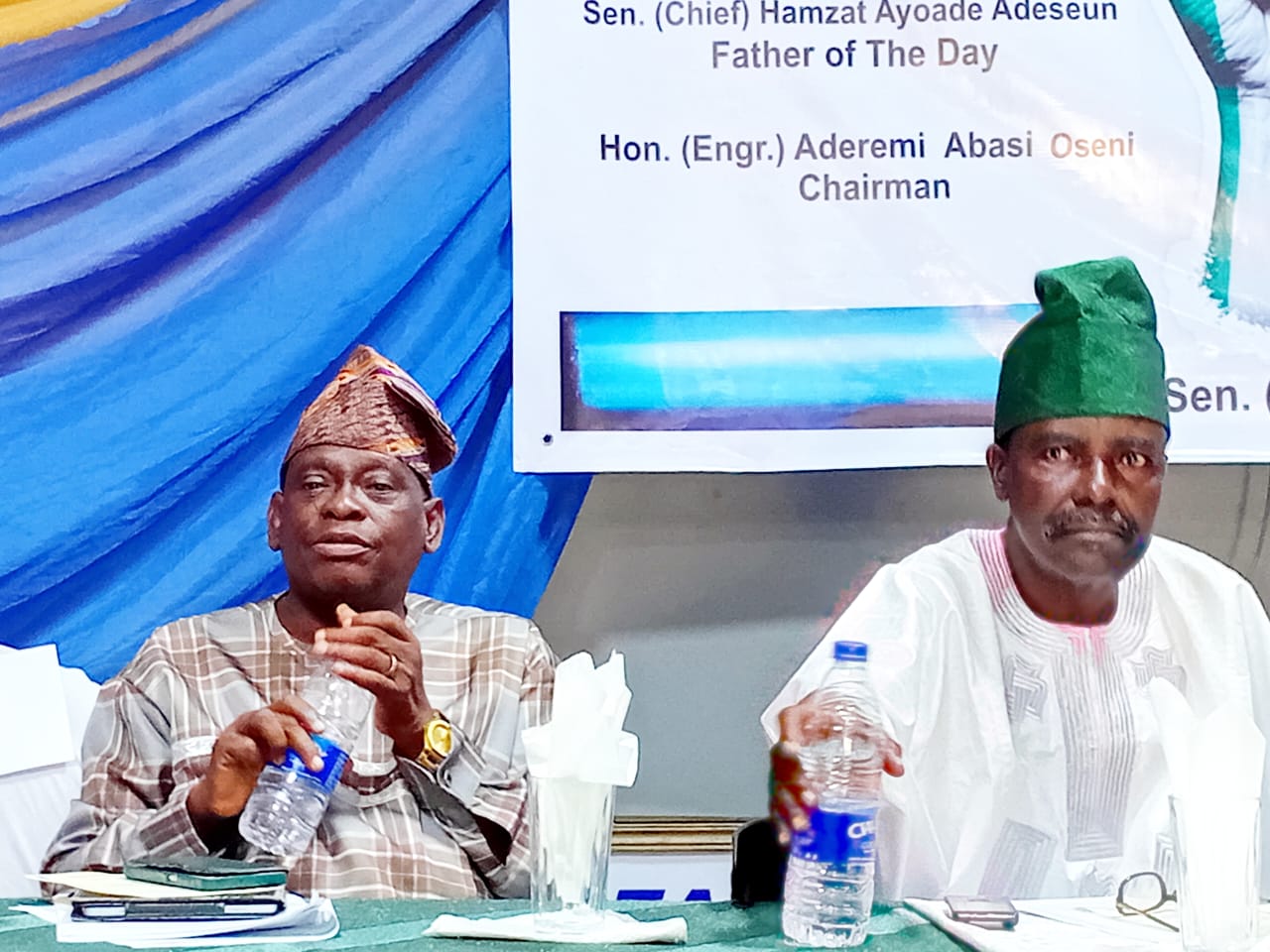
Earlier, the APC Oyo South Senatorial Candidate and Chairman of the occasion, Engr Remi Oseni, urged the government to strengthen security arrangements during the electioneering period to prevent the country from sliding into further crisis.
Oseni, a serving member of the House of Representatives, expressed concern over violence accompanying political activities in Oyo State, although he commended the police and other security agencies for their efforts.
He disclosed that he had been attacked on several occasions during the campaign period but escaped unharmed, attributing his survival to God’s grace.
The lawmaker appealed to political actors to reject bitterness and violence, urging them to allow peace to prevail throughout the electoral process.
In her remarks, former Oyo State First Lady and Chairperson of the Alao-Akala Transformation Movement (ATM), Chief Mrs Oluwakemi Alao-Akala, commended VJAN for selecting what she described as a thought-provoking subject and inviting a distinguished academic to lead the discussion.
Represented by the movement’s Vice Chairman, Mr Ademola Alao-Akala, she praised veteran journalists for their contributions to democratic development and nation-building.
She said their professional experience, courage, commitment to truth and understanding of Nigeria’s history had helped strengthen accountability, educate citizens, defend democratic principles and promote responsible public discourse.
“A vibrant democracy requires a responsible, independent and courageous press. Equally, nation-building requires journalists who appreciate the power of their profession to unite rather than divide, enlighten rather than mislead, and construct rather than destroy,” she said.
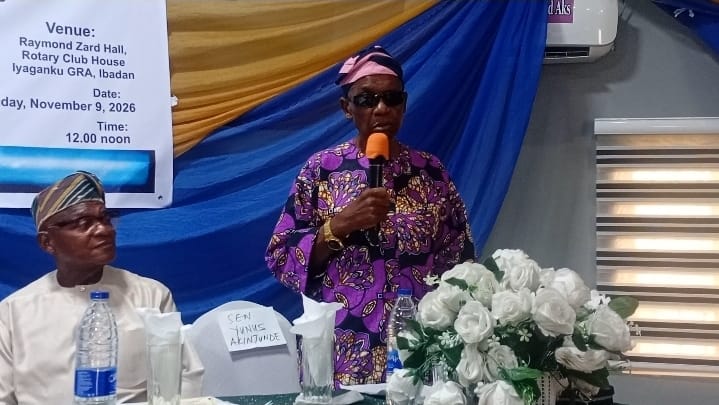
JKNewsMedia.com also reports that addressing the lecture’s central question, Alao-Akala said the issue extended beyond academic debate, challenging Nigerians to examine their national identity, shared aspirations, democratic values and responsibilities to one another.
She acknowledged that Nigeria possessed established geographical boundaries, constitutional institutions and a common political identity, but said building a united nation where citizens enjoyed belonging, mutual trust, justice and equal opportunities remained an unfinished national assignment.
Also speaking, former Chairman of the Senate Committee on Appropriation, Senator Ayoade Adeseun, represented by Prince Leye Jokotoye, expressed concern that Nigeria continued to struggle with questions of national identity, ethnicity, religion, equal opportunities, justice and integration more than six decades after independence.
He observed that ethnic affiliations and political interests frequently overshadowed national identity and the collective interest.
“Yet, distinguished ladies and gentlemen, I firmly believe that Nigeria’s diversity is not our greatest weakness,” he said.
Adeseun identified justice, fairness, equity and the rule of law as essential foundations for national unity, stressing that every Nigerian must feel protected and valued regardless of ethnic, religious or geographical background.
He also called for stronger institutions, accountable leadership and deliberate investments in education, youth empowerment, economic opportunities and national integration.
He said young Nigerians deserved a country where their prospects depended on their abilities and efforts rather than their surnames or ethnic origins.
Meanwhile, VJAN Convener, Mr Victor Oluwadamilare, used his welcome address to draw attention to the welfare challenges confronting veteran journalists, particularly ageing and retired professionals who had spent years contributing to journalism and national development.
He lamented that many former media professionals remained trapped in neglect and financial hardship, with some leaving active service without receiving their gratuities or benefiting from structured pension arrangements.
Oluwadamilare said several association members required medical attention and financial support they could barely afford.
“It is therefore pertinent to inform this distinguished gathering that many of our members are elderly and financially disadvantaged. A considerable number require varying degrees of medical attention and support, which they can hardly afford independently,” he said.
He disclosed that the association was pursuing partnerships with public-spirited individuals and corporate organisations to improve members’ healthcare and general welfare.
Beyond its welfare responsibilities, he reaffirmed VJAN’s commitment to professional journalism and national development, describing the association as a credible voice with a responsibility to reflect society and bring its members’ professional experience and institutional memory to bear on national issues.
The gathering attracted several dignitaries, including Mrs Kemi Alao-Akala, represented by Mr Ademola Alao-Akala alongside members of the Alao-Akala Transformation Movement, Senator Ayoade Adeseun, represented by Prince Leye Jokotoye, and APC Oyo South Senatorial Candidate, Engr Remi Oseni.
—

Share Your Story with us!
Advertise with us!
Publicity for a product, service, or event!
Contact: WhatsApp Only: +2348039560647
Email: jkmediapress@gmail.com