
By Jemimah Wellington, JKNewsMedia Correspondent
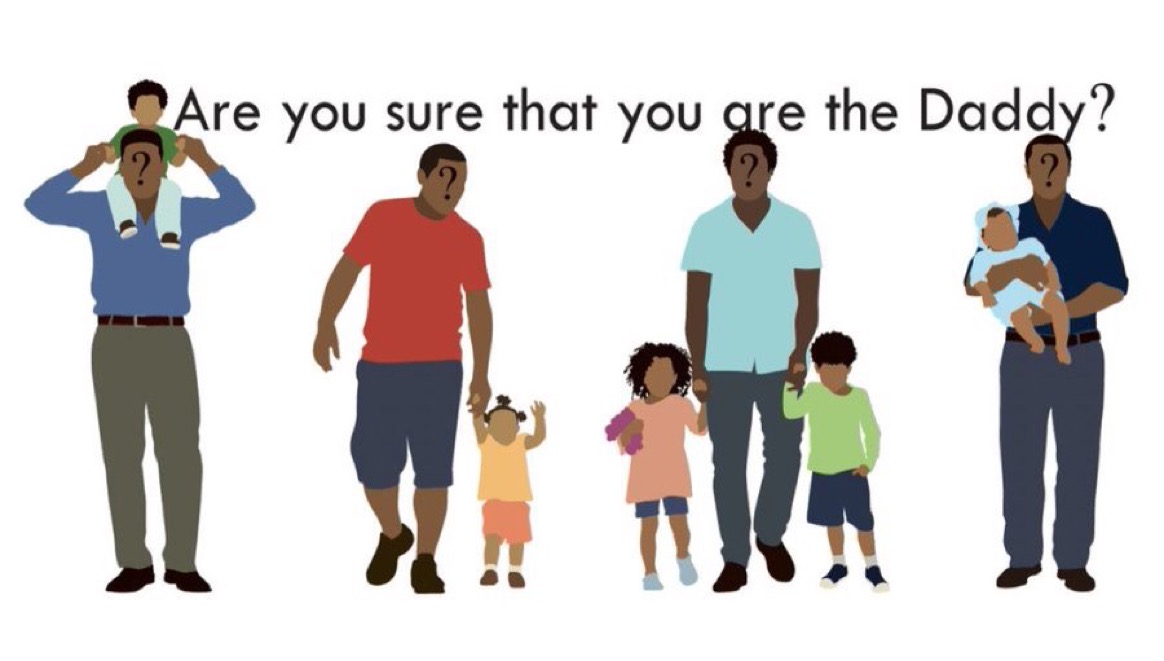
PTERNITY TESTING is reported to be reshaping family dynamics in Nigeria, as new data reveals the country has the highest rate of paternity fraud in Africa and the second highest in the world.
The 2025 Annual DNA Testing Report by Smart DNA Nigeria shows that paternity testing now accounts for 13.1% of all DNA analyses carried out between July 2024 and June 2025.
Rising uncertainty in Nigerian families
The report highlights a striking trend of paternity doubt. In 2024, nearly 27% of paternity tests returned negative results, confirming that more than one in four tested men were not the biological fathers of the children in question.
Overall, three out of ten Nigerian men are not the biological fathers of their presumed children, according to the findings.
Lagos dominates testing demand
Geographically, the report says Lagos State accounted for 73.1% of all DNA tests, with the Mainland recording 67.5% and the Island 32.5%.
By ethnicity, Yoruba clients represented 53%, followed by Igbo at 31.3%, while Hausa clients accounted for only 1.2%.
Why Nigerians are testing
Most of the tests—about 85.9%—were requested for personal reasons, often for what clients described as “peace of mind.” Immigration-related cases also surged, reflecting the influence of Nigeria’s ongoing “Japa” migration wave.
The majority of children tested were aged between 0 and 5 years, while most adult requests came from men aged 31 and above.
Expert reaction
Smart DNA Operations Manager, Elizabeth Digia, said the findings reflect deeper social shifts:
“The high rate of negative paternity tests and the surge in immigration-related testing are particularly noteworthy. They reflect broader societal trends that merit further discussion and research.”
She added that the concentration of testing in Lagos raises questions about access and awareness of DNA services across other regions of the country.
Growing cultural implications
According to the report, DNA testing is becoming an increasingly significant feature of Nigerian family and social life, carrying implications for trust, migration, and cultural attitudes to parenthood.