By Jemimah Wellington, JKNewsMedia Correspondent
TUESDAY, 23 DECEMBER, may be remembered as a historic day for Nigeria’s higher education sector, as the long-standing impasse between the Federal Government and the Academic Staff Union of Universities (ASUU) over the renegotiation of the 2009 agreement appears finally resolved.
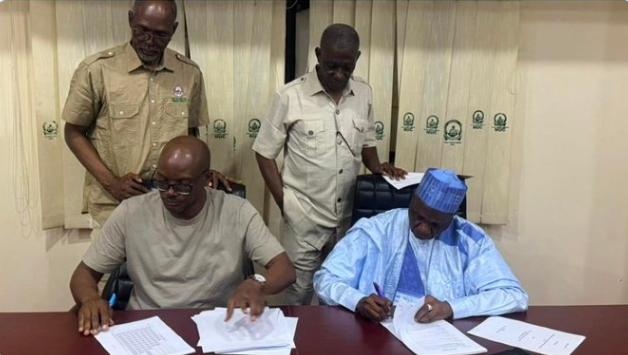
ASUU leadership confirmed to journalists on Friday that after intense negotiations, a mutually acceptable agreement was signed on Tuesday.
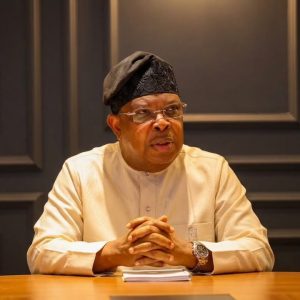
A memo dated Wednesday, 24 December, addressed to zonal and branch ASUU offices nationwide, confirmed the development and signed by the union’s President, Professor Chris Piwuna of the University of Jos (UNIJOS), the memo thanked members for their patience, describing the process as “a long walk through the renegotiation.”
In a brief telephone conversation on Friday, Mr Piwuna noted that a decisive step by Minister of Education, Dr Tunji Alausa, facilitated the signing of the agreement.
“The much I can say is that we now have a signed agreement. I can’t say more than that because there are still processes to follow to ensure that the contents are implemented to the letter,” he said.
The agreement will be formally presented to ASUU’s National Executive Council (NEC) during its next meeting in February 2026.
Recalling 15 years of stalled negotiations, the statement the 2009 FGN-ASUU agreement was due for review in 2012, but renegotiations have repeatedly stalled, with the union accusing successive governments of poor commitment.
In 2017, the late President Muhammadu Buhari’s administration appointed Senior Advocate of Nigeria (SAN) Wale Babalakin to lead a renegotiation committee.
ASUU alleged that Mr Babalakin was predisposed against the union and favoured commercialisation of education, conflicting with ASUU’s demands for quality and affordable education.
After Mr Babalakin’s removal in 2020, the current committee, established following a two-week warning strike earlier this year, became the fifth attempt to renegotiate the same agreement.
Previous committees often concluded without government endorsement or implementation.
Prolonged strikes between 2020 and 2025 were staged in protest of perceived government insincerity.
The memo issued to union members highlights the following:
Conditions of Service: A 40% upward review of academic staff salaries. Pension provisions are reinforced, ensuring professors retiring at 70 receive pensions equivalent to annual salary based on approved service periods.
University Funding: A new budgeting template will allocate dedicated funds for libraries, research, equipment, staff development, and laboratories. The National Research Council (NRC) will fund research at no less than 1% of GDP, strengthening innovation and supporting research universities and centres of excellence.
University Autonomy & Academic Freedom: Governance will be merit-based, with Deans and Provosts elected and only professors eligible to contest. Academic freedom is strongly affirmed.
Implementation & Review: The agreement takes effect on 1 January 2026, with a review scheduled in three years. It also guarantees protection from victimisation for participants in the renegotiation process.
Professor Piwuna extended appreciation to Mallam Yayale Ahmed (CFR), the Renegotiation Team, and Minister Alausa for their roles in concluding the agreement.
He also urged the government to accelerate negotiations with other university-based unions such as SSANU, NASU, and NAAT to ensure smooth operations nationwide.
Meanwhile, the ASUU president expressed gratitude to members for their perseverance and wished Christian members a merry Christmas and all Nigerians a happy New Year. “It has been a long walk through the renegotiation,” the memo read.