By Jemimah Wellington, JKNewsMedia Correspondent
LEVERAGING THE Tokyo International Conference on African Development (TICAD), Nigeria is set to deepen its partnership with Japan and push for Africa’s stronger representation in global decision-making structures, according to Yusuf Tuggar, minister of foreign affairs.
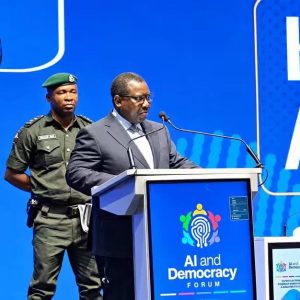
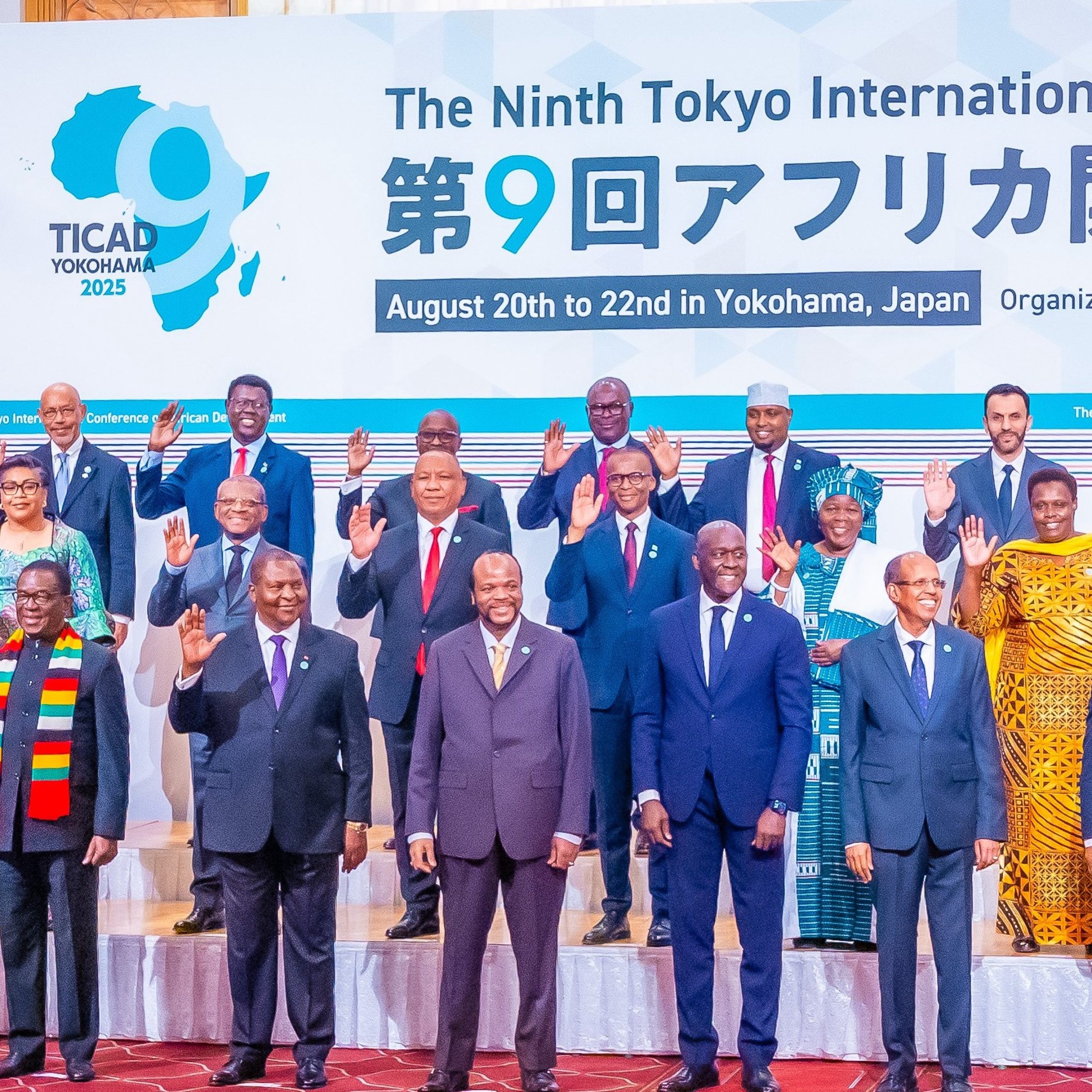
Speaking in the course of the ninth TICAD summit on Wednesday, Tuggar said the gathering brings together the African Union (AU), the United Nations (UN), and the World Bank, offering an avenue for substantive dialogue.
“Japan, as we are aware, is the third largest economy in the world, and they have two organs of engaging with Africa,” he stated.
“There is Japan International Cooperation Agency, which is the Japan agency that deals with overseas development assistance.
“There is the Japan External Trade Organisation, which is the Japanese organ that deals with trade abroad. And in the case of Nigeria, we have had engagements in the power sector.
“There’s a transmission project going on in Nigeria being supported by this organ.”
He highlighted ongoing trade between Nigeria and Japan in agricultural commodities including shea butter, cassava, and the grain-acha, which he said remains in high demand in Japan.
He added that hydrocarbons continue to form the bulk of Nigerian exports to Japan, with volumes currently valued at about $1 billion. “We’re looking to expand that,” Tuggar said.
Beyond commercial ties, the minister emphasised that TICAD also provides a platform to advance Africa’s political and institutional agenda.
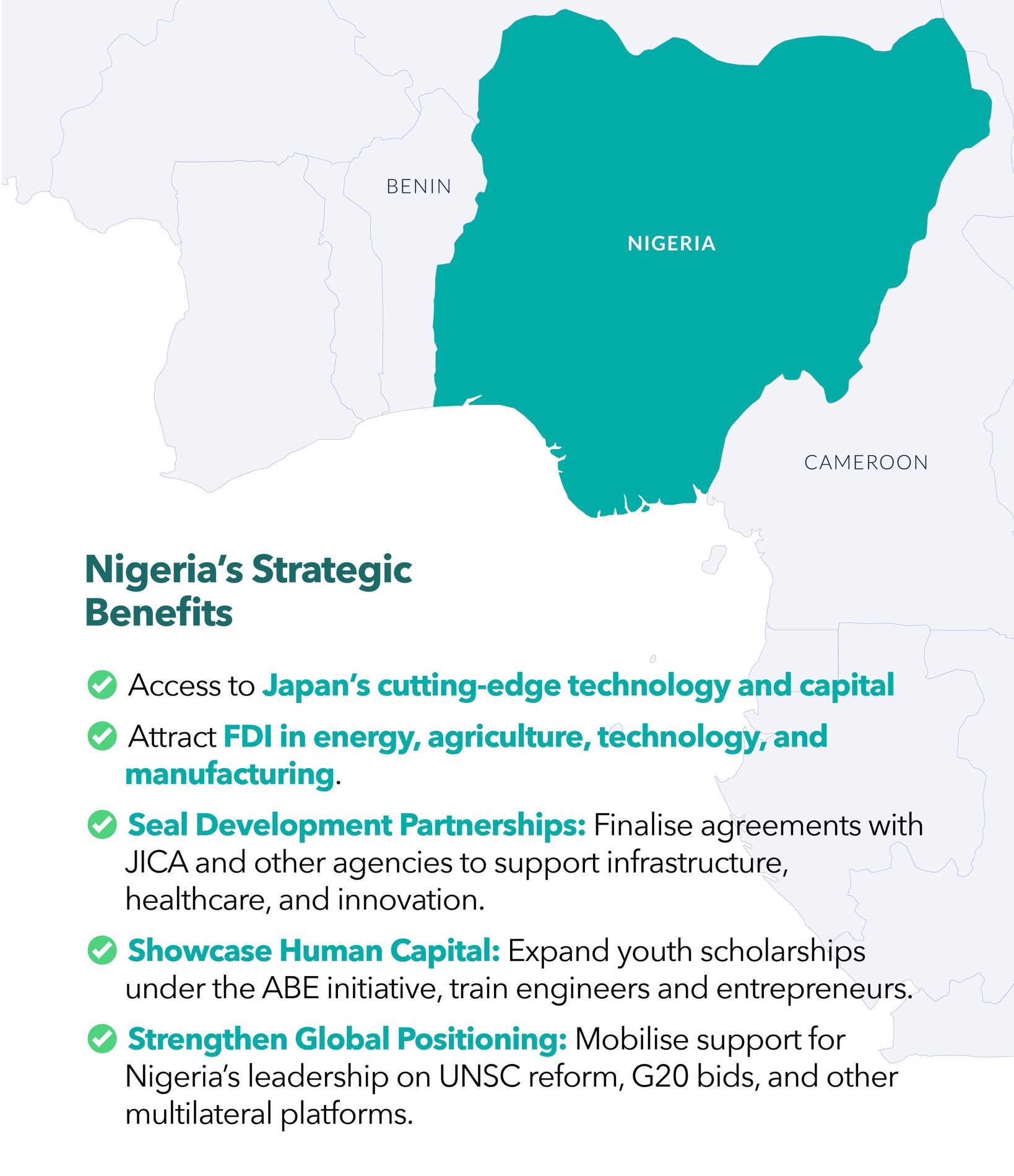
With at least 17 heads of state expected at the summit, Nigeria is pressing its case for seats in global institutions such as the UN Security Council, the International Court of Justice (ICJ), the Organisation for the Prohibition of Chemical Weapons, and the International Maritime Organisation (IMO).
Tuggar stressed Nigeria’s involvement in efforts to reform the global financial architecture, noting that equitable restructuring remains essential for Africa’s progress.
“Unless we have that reform in the global financial architecture, we cannot benefit and Africa as a whole cannot benefit, so it does not benefit us if others are not also making progress,” he said.
He explained that discussions at TICAD include issues relating to debt, debt rescheduling, and debt restructuring, which remain key priorities.
Drawing a parallel with Japan’s post-war rise, the minister cited how Japanese corporations expanded across Asia in the 1960s and 1970s in what became known as the “flying geese effect”.
“We’re already doing that. If you look at the continent, you’ll see that Nigeria has its banks in other countries. It is Zenith, it is GTBank, it is UBA, it is Access Bank,” he said. “
If you look at businesses – Dangote, BUA, Sahara, and many others like TGI. If we continue as a government to support that, which is what Japan did deliberately… which is what the president is committed to, that way we can create those jobs for our teeming youth, tackle the issue of unemployment, and of course those macroeconomic reforms of President Tinubu are already in progress and we’re beginning to feel the positive effects.”
Tuggar reiterated the importance of securing Nigeria’s place at international decision-making tables. “Which is why we need that position in the United Nations Security Council,” he stated.