By Jemimah Wellington, JKNewsMedia Correspondent
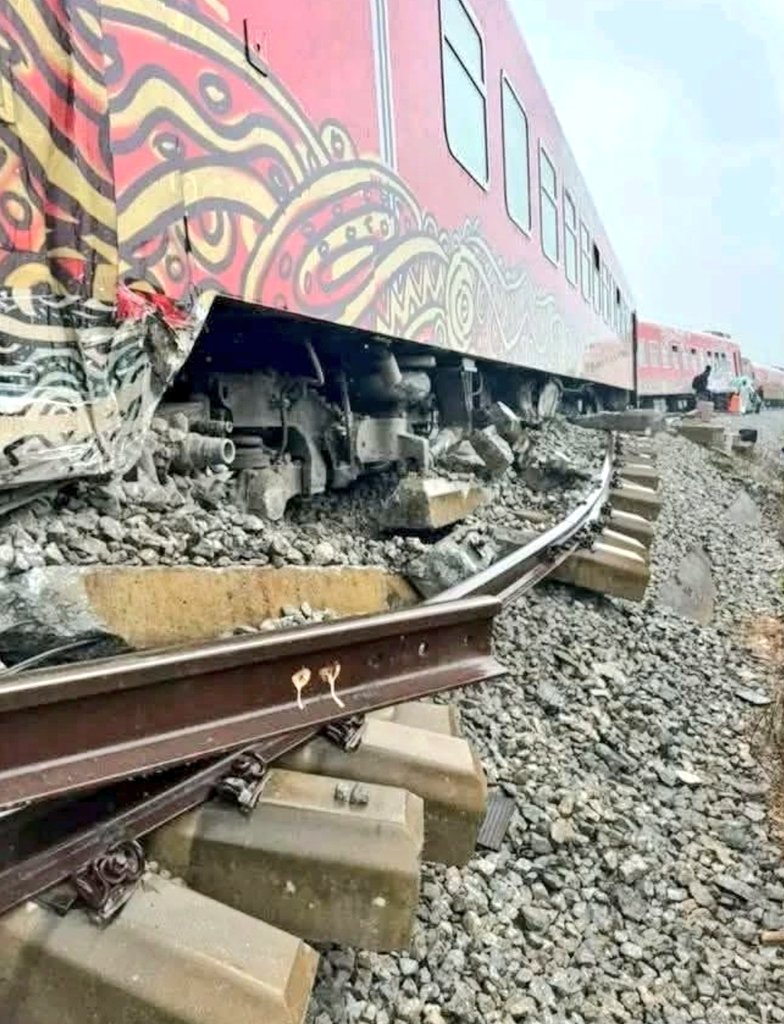
FINDINGS FROM the Nigerian Safety Investigation Bureau (NSIB) have identified poor maintenance and a faulty track switch as the main factors behind the Abuja-Kaduna train derailment at Asham Station.
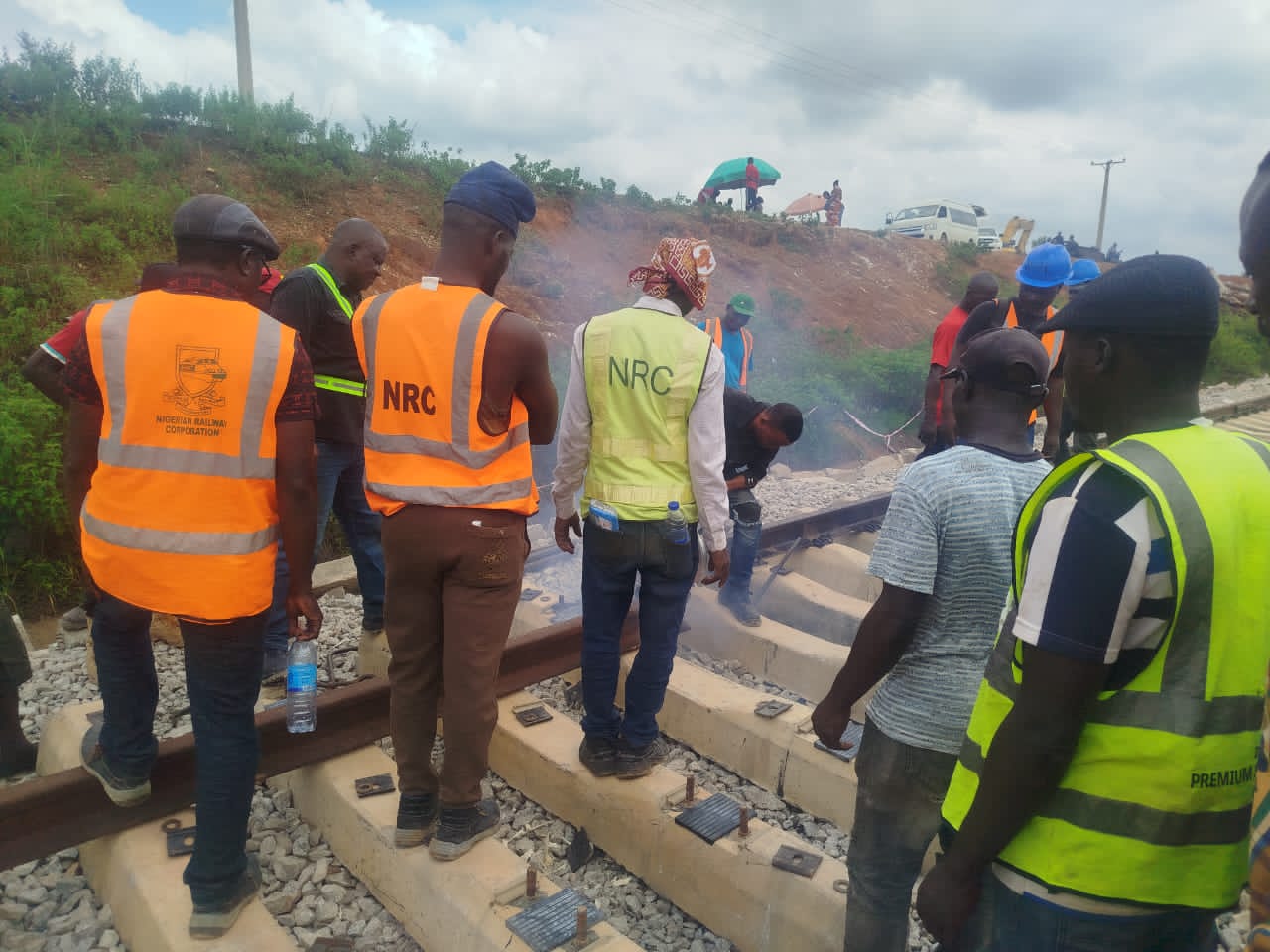
The bureau, in its preliminary report, revealed that several sleepers damaged in a previous incident at the same station had been patched rather than properly repaired.
Investigators also discovered that the automatic switch mechanism at the crossing point was unserviceable at the time of the derailment, forcing it to be operated manually with a point clip.
The clip was later found to be broken, compromising the alignment of the tracks and ultimately leading to the derailment.
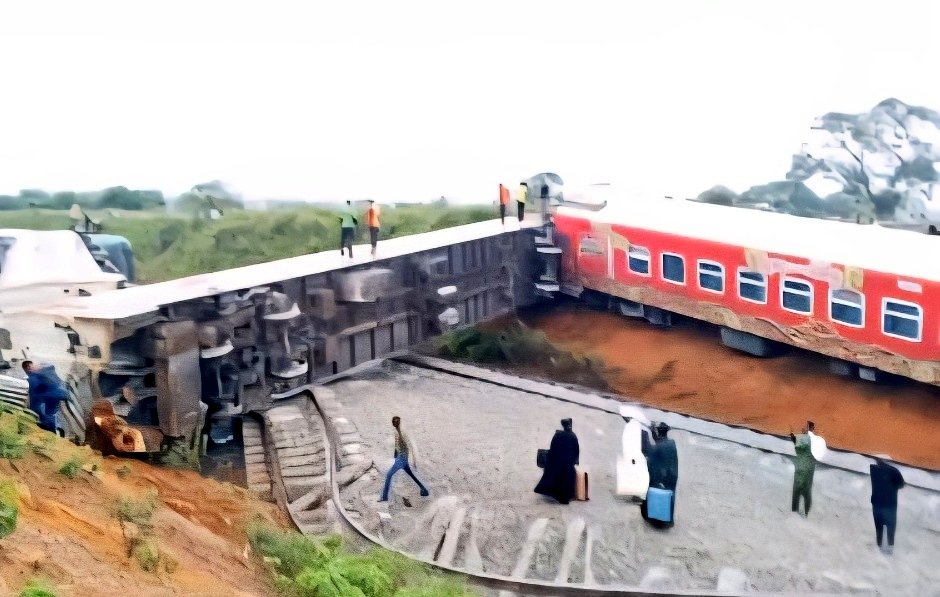
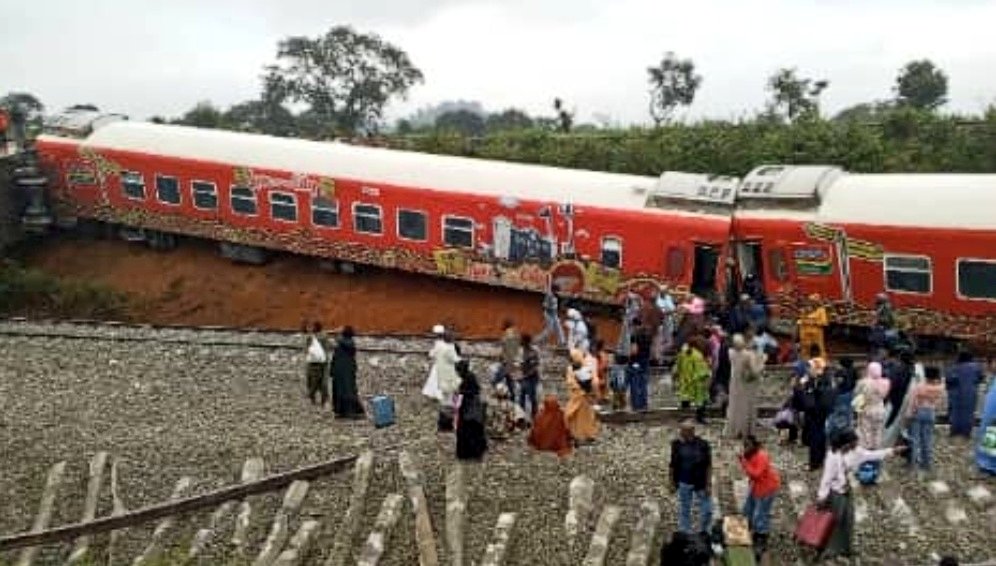
The incident, which occurred on 26 August 2025, marked the second derailment at Asham Station within 13 months.
According to the report, 21 passengers sustained injuries, though all 618 people on board survived without fatalities.
The bureau further noted that Nigerian Railway Corporation (NRC) personnel had only received initial training, with no formal refresher courses provided.
Investigators highlighted this as a concern for operational preparedness and safety.
They also pointed to limited access to operational and maintenance tools, including spare parts from the Original Equipment Manufacturer, at the time of the derailment.
In its safety recommendations, the NSIB called for the replacement of all compromised sleepers and the installation of OEM-standard point switches along the Abuja–Kaduna corridor.
The bureau advised the NRC to restore defective monitoring and communication equipment, including CCTV cameras, clocks, and other instruments vital to safe railway operations.
It also emphasised the need for regular refresher training for NRC personnel.
The NSIB stated that these findings are preliminary and subject to further analysis.
As part of its next steps, the bureau will conduct a technical inspection of the turnout and switch mechanism at Asham Station.
It will also examine track alignment and overall infrastructure condition.
The investigation will extend to detailed inspections of the locomotives and derailed coaches, with a focus on brakes, wheels and bogies.
Statements will be taken from crew members such as the driver, assistant driver, conductors and guards, while operational data including speed logs, signal records and communication transcripts will be analysed to establish the sequence of events.
Passenger and eyewitness accounts will be reviewed to complement the technical findings. Investigators will also carry out further analysis of the broken point clip, which is believed to have played a critical role in the derailment.
According to the bureau, a final report will provide more comprehensive conclusions and may include additional safety recommendations once all inspections and analyses are complete.