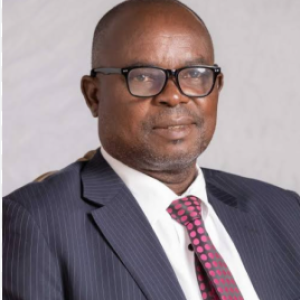
By Comrade Gerald O. Katchy
MILITARY INTERVENTIONS in Africa are no longer the exception; they are fast becoming a pattern. In many countries the arrival of juntas is greeted with hope for reform. But soon enough, the bright promises of “restoring order” darken into mechanisms that ensure rulers remain seat-tight: constitution-tweaks, delayed transitions, and emergency powers that outstay their welcome.
Consider Chad: after decades under Idriss Déby, his son Mahamat has amended the constitution to allow for potentially unlimited terms, following three years of military rule.
In Burkina Faso, Captain Ibrahim Traoré leans on propaganda while pushing back election timelines.
Mali’s Colonel (now General) Assimi Goïta, Niger’s General Abdourahamane Tchiani, Guinea’s Mamadi Doumbouya, and Gabon’s General Brice Oligui Nguema have followed similar trajectories: coups followed by fragile transition charters, with delays, constitutional adjustments, and concentration of powers.
Rivers State, Nigeria: When Emergencies Mask Political Moves
Nigeria has its own case study. When President Bola Ahmed Tinubu declared a state of emergency in Rivers State under Section 305 of the 1999 Constitution (as amended), some political actors pushed for extending that emergency. When the extension failed, clashes between a permanent secretary and a director erupted — not over security policy, but over control and access to resources.
Meanwhile, local government elections were carried out under circumstances later challenged in court. The reasoning behind the emergency — ostensibly to prevent loss of life from violence — seemed inconsistent when compared with other states like Benue, Plateau, Niger, Katsina, Kaduna, Zamfara , where killings and kidnappings are rampant.
That Rivers State has returned to constitutional governance is welcome. But the episode exposes how state emergencies are sometimes used less as protection for citizens, and more as tools for political advantage.
Coup Waves, Regional Reactions, and Alarms
Since 2020, Africa has recorded eight successful coups, alongside over ten failed or attempted coups.
These events are clustered especially in the Sahel and in West and Central Africa — countries such as Mali, Burkina Faso (twice in 2022), Guinea, Niger, Gabon and Chad.
In response, both the African Union (AU) and ECOWAS have taken formal stances condemning unconstitutional changes of government. ECOWAS has protocols requiring sanctions, suspension of membership, and in some cases threatened interventions.
Yet their responses are inconsistent. Sometimes sanctions are swift; sometimes reactions lag. Sometimes constitutional changes (e.g. removing term limits, extending terms) that effectively prolong power without a formal coup are met with less vigor.
Lessons & What Must Be Done
The recurring theme is clear: many “temporary” states of emergency or transition are becoming permanent fixtures. And the legal frameworks — whether national constitutions or regional treaties — are not always designed strongly enough to check excessive executive power or to prevent seat-tight leadership.
To guard democracy and prevent the slide into indefinite rule, several steps are essential:
1. Constitutional Safeguards: In Nigeria, the definition and scope of emergency power under Section 305 must be part of reform efforts. Clear limits, mandatory judicial review, fixed durations, and rules on when such powers may be declared are crucial.
2. Vivid & Independent Judiciary: Courts must have the independence, transparency, and courage to interpret constitutional limits and to check executive overreach — even when political pressure is intense.
3. Empowered Civil Society & Free Media: Public scrutiny exposes when emergencies are misused. Media and civil society must be allowed to operate without fear of repression or legal threats.
4. Consistent Regional Enforcement: Organizations like ECOWAS and the AU must apply their rules against coups, constitutional tampering, and extensions of power with consistency. If some leaders see that term-limit removals, indefinite emergencies, or delayed transitions are tolerated, it undercuts deterrence.
Africa cannot afford to tolerate seat-tight leadership masquerading as temporary fixes. Whether by outright military coup or more subtle constitutional reshaping and emergency declarations, the effect is the same: less democratic accountability, fewer rights, and more entrenchment of power.
Rivers State’s brief emergency episode may be over, but it offers a stark lesson: the rules by which our constitutions operate must be more defensible, citizen-rights must be more protected, and regional bodies must hold leaders accountable regardless of who they are.
Power belongs to the people. Period