By JKNewsMedia
GROWING INSECUTIRY concerns in Nigeria cannot be resolved through the creation of state police alone, Civil Society Organisations (CS0s) have said, urging the Federal Government to address governance, economic and social conditions driving violence and criminality.
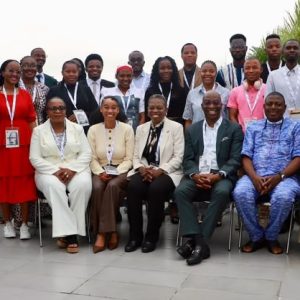
JKNewsMedia.com reports that the Rule of Law and Accountability Advocacy Centre (RLAAC), Africana League (AL) and Corporate Accountability and Public Participation Africa (CAPPA) made the call during a webinar organised by the latter on Tuesday, July 28, 2026, titled Insecurity and State Policing in Nigeria: The Way Forward.
The organisations advocated a broader approach that combines policing and justice sector reforms with good governance, expanded economic opportunities, stronger accountability mechanisms and meaningful youth participation in any new policing structure.
Speaking on State Policing in Nigeria: The Imperative, the Risks and the Architecture for Accountability, Executive Director of RULAAC, Okechukwu Nwanguma, warned against treating insecurity mainly as a policing problem.
He said governance failures, poverty, unemployment, corruption, impunity, weak institutions, communal conflicts and political exclusion all contribute to insecurity.
“Police can respond to crime, but they cannot eliminate the structural conditions that produce it. No restructuring of police institutions alone will solve Nigeria’s security crisis,” he said.
Nwanguma said decentralising policing could improve responsiveness but warned that it could also reproduce existing abuses without adequate safeguards.
He called for national minimum standards for recruitment, training and discipline, operational independence from partisan political control, independent civilian oversight, transparent complaints mechanisms, sustainable and accountable funding and protection against the use of police for electoral intimidation or the suppression of political opposition.
“Without these safeguards, decentralisation may simply transfer abuse from Abuja to the state capitals,” he said.
Nwanguma also raised concerns over the ongoing constitutional amendment process on state police, saying such a far-reaching reform requires transparency, rigorous debate and broad stakeholder consultation.
He urged the National Assembly to provide meaningful opportunities for civil society, professional bodies, traditional institutions, women, youth groups, security experts, labour organisations and other relevant actors to scrutinise and contribute to the proposal.
Also, Executive Director, Africana League, Dr Glory Ukwenga, said any reform of Nigeria’s policing structure must deliberately include young people, describing them as both primary actors and victims of insecurity.
Ukwenga said young people account for more than 70 per cent of Nigeria’s population but remain largely absent from discussions on the proposed state policing framework.
She called for youth representation on state police service commissions and police community relations committees, youth advisory councils on security, structured consultation with youth organisations and youth participation in policing oversight and performance evaluation.
She also advocated youth focused recruitment and civic security programmes, civic education on security governance and digital platforms that enable young people to report security concerns, participate in consultations and provide policy feedback.
An e-statement signed by CAPPA Media and Communications Officer, Robert Egbe said the organisation’s Executive Director, Akinbode Oluwafemi, spoke on Building a People Centred Security Framework for Nigeria,
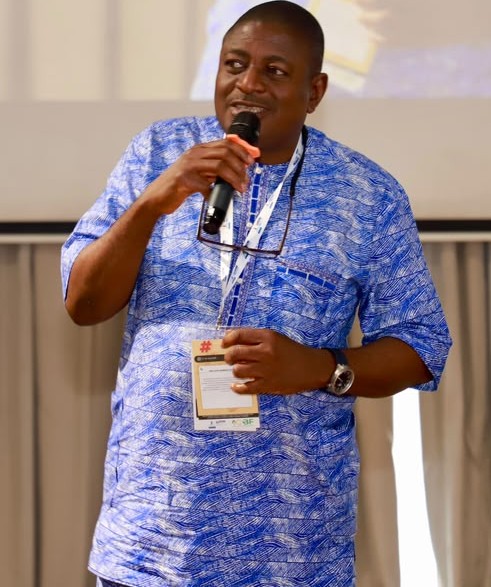
Oluwafemi said a decentralised policing model could make policing more responsive to communities but stressed that the key issue is the kind of policing Nigeria intends to build.
“The fundamental issue is the philosophy behind the kind of policing we want to have in Nigeria. Do we want a police service that communities can relate with? Or do we just want to instil fear so that the elites and those in authority can exert violence on the people?” he asked.
Oluwafemi added that policing must be rooted in respect for human rights and community participation.
“The police should not be instruments of fear and intimidation. Human rights should be protected. Another issue is who controls the police? Will it remain an instrument of those with political authority and means? Or will it become an integral part of communities, protecting people who have a democratic say in how the powers ceded to the police are exercised?” he said.
Oluwafemi called for public participation throughout the reform process.
JKNewsMedia.com noted Oluwafemi as also saying that the deterioration of public services and the lack of access to education, water, electricity, good roads and gainful employment continue to weigh heavily on security across the country.
He advised against rushing constitutional reforms because Nigeria is facing a severe security crisis, saying the country must learn from the weaknesses of existing institutions before creating new ones.
The speakers agreed that Nigeria’s security challenges require more than the creation of additional police forces and said the goal should be to build security institutions that are professional, accountable, respect human rights and earn public trust.
They urged the Federal Government and lawmakers to ensure that any state policing arrangement strengthens democracy and the rule of law rather than creating new avenues for political interference, repression and abuse.
—