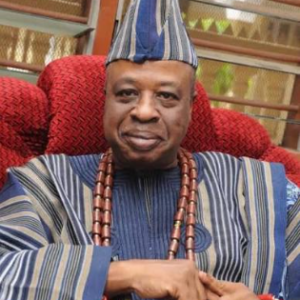
Senator Babafemi Ojudu, CON
GROWING UP in Nigeria, we were immersed in stories — not just bedtime tales or village folklore, but books. Real books. Stories that stirred our imaginations, sharpened our values, and quietly prepared us for the world beyond our towns and cities.
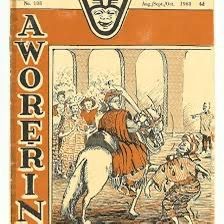
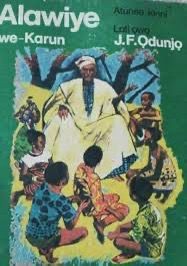
In primary school, the Ministry of Information played a pivotal role in our intellectual development. Books like Apoti Isura, Aworerin, Alawiye and others were not just reading materials. They were companions. They brought laughter, moral lessons, and a rhythm of life that made learning joyful. Poems like “Kini o f’ole se l’aiye ti mo wa?” taught us that choices have consequences. We didn’t just recite those poems — we sang them; we lived them.
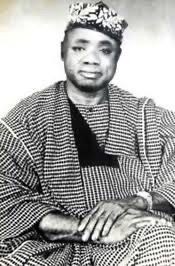
Then came the giants.
D.O. Fagunwa opened the doors of Yoruba mysticism and morality. His lush, mythic narratives populated the forests with spirits and sages so vividly that we feared walking through the woods on our way to the farm. J.F. Odunjo gave us characters rooted in everyday life, layered with deep moral lessons. Together, these authors laid the cultural foundation of our young imaginations.
In the early years of secondary school, we met Koku Baboni by Kola Onadipe. The Passport of Mallam Ilia by Cyprian Ekwensi introduced us to the life and landscapes of northern Nigeria. Soon, we were floating down the Mississippi River with Tom Sawyer and Huckleberry Finn. These stories widened our sense of place and possibility — crossing into cultures far removed from our own.
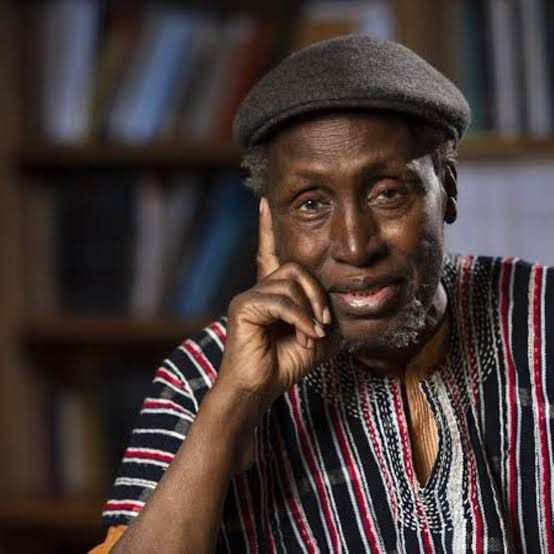
Then came Ngũgĩ wa Thiong’o and Chinua Achebe. Through them, we saw Africa — raw, poetic, political, and unbowed. Achebe’s prose introduced us to Igbo cosmology, colonial resistance, and cultural dignity. Ngũgĩ opened up East Africa with unflinching honesty, revealing both pain and resilience.
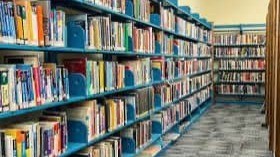
I fell in love with the small but rich library tucked behind the King’s palace in our town. Day after day, I found my way there, savoring the noble quiet of that space — a space that, heartbreakingly, is now occupied by vegetable and second-hand clothing vendors.
By university, we were devouring works from the Caribbean, Latin America, Russia, and Europe. The world became our classroom. Through books, we learned empathy, critical thinking, and respect for the lives and values of others. For many of us, this wasn’t just an education. It was a lifelong initiation into the richness of humanity.
A course titled Politics and Ideology in African Literature, taught by the indefatigable Prof. Biodun Jeyifo, began and ended with Ngũgĩ wa Thiong’o at Ife. That course sparked in us a deep desire to contribute to social transformation, not just through politics, but through the power of ideas.
I haven’t looked back since. I’ve read hundreds of books, and each one has gifted me a new fragment of the world and a deeper understanding of myself.
But What Happened?
Today, the landscape has shifted. The robust reading culture that once nurtured many of us is fading fast. In too many schools, the shelves are bare, the poems unsung, the novels unknown. Fewer children encounter the world through books before they’re forced to face it through hardship.
The Ministry of Information no longer floods classrooms with stories. Literature is sidelined in favor of standardized tests and rote memorization. And while the digital age has its wonders, it also brings a relentless stream of distractions. Screens have replaced pages; passive scrolling has replaced immersive reading.
We are raising generations that may never know the magic of disappearing into a novel, of visiting places they’ve never seen, and understanding people they’ve never met.
Why It Matters
Literature teaches us to imagine. It teaches us to feel for people, places, and situations we may never personally encounter. It builds bridges between communities, between nations, and between hearts. It equips young minds with empathy, resilience, and curiosity.
Without books, we may still produce brilliant technocrats and clever entrepreneurs but not whole humans. Not thinkers. Not global citizens.
What We Can Do
• Reinvest in school libraries: Every child deserves access to books that speak to their culture — and introduce them to others.
• Celebrate African authors: Let our children know their stories matter. Let them read Fagunwa, Achebe, Ngũgĩ, Adichie, and many others.
• Encourage family reading: A 15-minute story at bedtime can plant the seed of a lifelong love of literature.
• Use digital tools wisely: E-books, audiobooks, and reading apps can be powerful allies in rebuilding a reading culture if used intentionally.
As we bid farewell to literary titans like Ngũgĩ wa Thiong’o, we must ask: What legacy are we preserving and what are we letting slip away?
Let us honor these giants not only with our words, but with our actions:
▪ By putting books in children’s hands.
▪ By breathing life back into school libraries.
▪ By showing our young ones that through stories, they can travel the world, embrace difference, and become more fully human.
Journey well, Ngũgĩ wa Thiong’o.
You taught us to think, to dream, and to see.
Now, may we teach the next generation to do the same.