By Jemimah Wellington, JKNewsMedia Reporter
PRESIDENT BOLA Tinubu has mourned the victims of renewed violence in Benue State and ordered security forces to launch a decisive crackdown on all perpetrators of the bloodshed.
Addressing the nation during a public engagement in Abuja, he called the killings “depressing” and directed that no individual or group involved in the conflict be spared from justice.
Leading a moment of silence for the dead, he pledged to visit Benue on Wednesday to personally console affected families and communities.
He urged the people of Benue to embrace dialogue and harmony, saying that peaceful coexistence was not only possible but essential to national unity.
“I have directed the security agencies to act decisively and arrest perpetrators of these evil acts on all sides of the conflict and prosecute them,” he said.
“Political and community leaders in Benue must act responsibly and avoid inflammatory utterances that could further increase tensions and killings.”
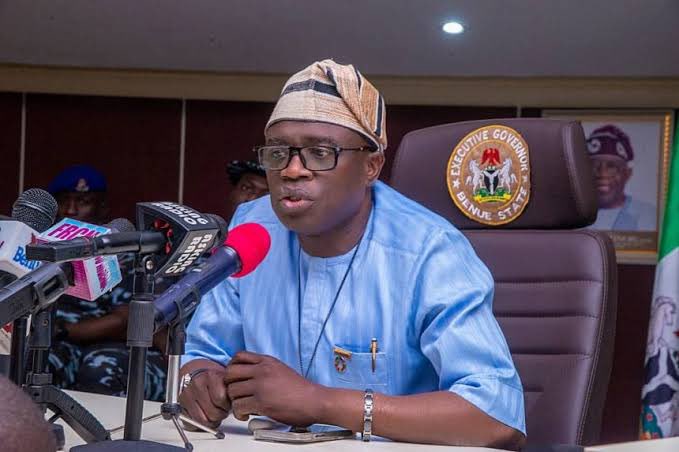
President Tinubu also tasked Governor Hyacinth Alia with urgently initiating reconciliation meetings and fostering honest conversations among warring parties.
He called on all leaders in the state to end provocations and reprisals, stressing that no political ambition or ethnic sentiment should override the sanctity of life.
“We are a huge family living in the same house, staying in different rooms, but living together in harmony,” he said.
“This is the time for Governor Alia to act as a statesman and immediately lead the process of dialogue and reconciliation that will bring peace to Benue.”
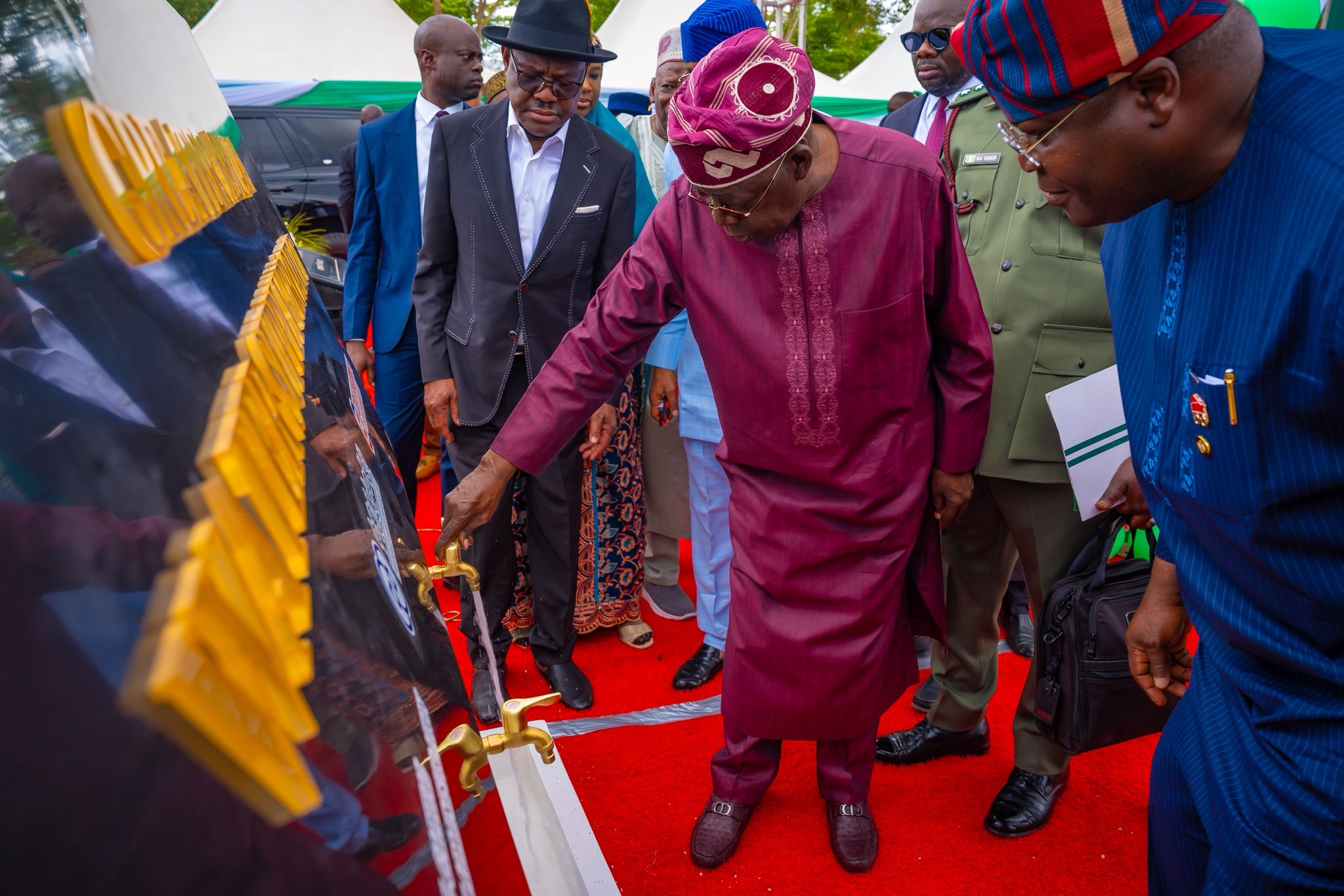
Following his sombre remarks, the President turned to matters of national development, commissioning the Greater Abuja Water Supply Network, Loops 1, 2, 5, and 6, at a ceremony on Airport Road, Abuja.
He described the project as a critical infrastructure milestone, designed to ensure that every part of the capital city has access to safe, sustainable water.
“Water is life. It is not a luxury. It is a basic human right and a foundation for public health, urban development, and economic growth,” he said, commending the Federal Capital Territory Administration and its partners for their role in delivering the project.
He emphasised that the Renewed Hope Agenda is centred on real, people-oriented projects that touch the daily lives of citizens—from water and housing to health and security.
“This water infrastructure is not only a technical milestone, but a moral one, because it is about equity,” he said.
“We are not here merely to lay the pipes. We are laying the groundwork for healthier families, stronger communities, and a more productive city.”
The President also thanked development partners, including CGC Nigeria Limited and the Chinese Government, for their collaboration.
He urged residents to protect the new infrastructure and use water resources wisely to ensure long-term sustainability.
Minister of the Federal Capital Territory, Nyesom Wike, praised the President for his relentless push to revitalise Abuja’s infrastructure, recalling his early instructions to reactivate both water and railway systems in the capital.
Wike noted that the project, first awarded in 2017 for $470 million under a tripartite funding model involving the Chinese Government, the Federal Government, and the FCTA, had now reached a significant completion phase.
He also disclosed ongoing efforts to provide potable water to underserved areas in Bwari, Kuje, Karu, and other satellite communities, with agreements already signed and procurement nearly finalised.
“We believe that by next year, during your third anniversary, we’ll commission those satellite town projects where you provide water,” Wike said.
Engr. Richard Yunana Dauda, Acting Executive Secretary of the Federal Capital Development Authority, said the new water loops will supply over 50 districts across Phases Two, Three, and Four of Abuja’s master plan.
He confirmed that Loops 3 and 4 are already functional, while Loops 1, 2, 5, and 6 now extend the reach of the city’s water system.
According to Dauda, the project includes 425 kilometres of ductile iron pipelines, comprising 256 kilometres of main trunk lines and 169 kilometres of distribution pipes, alongside 1,670 critical fittings to optimise delivery.
Upon completion, the project is expected to significantly boost potable water access for millions of residents throughout Abuja’s expanding urban corridors.