By Joke Kujenya
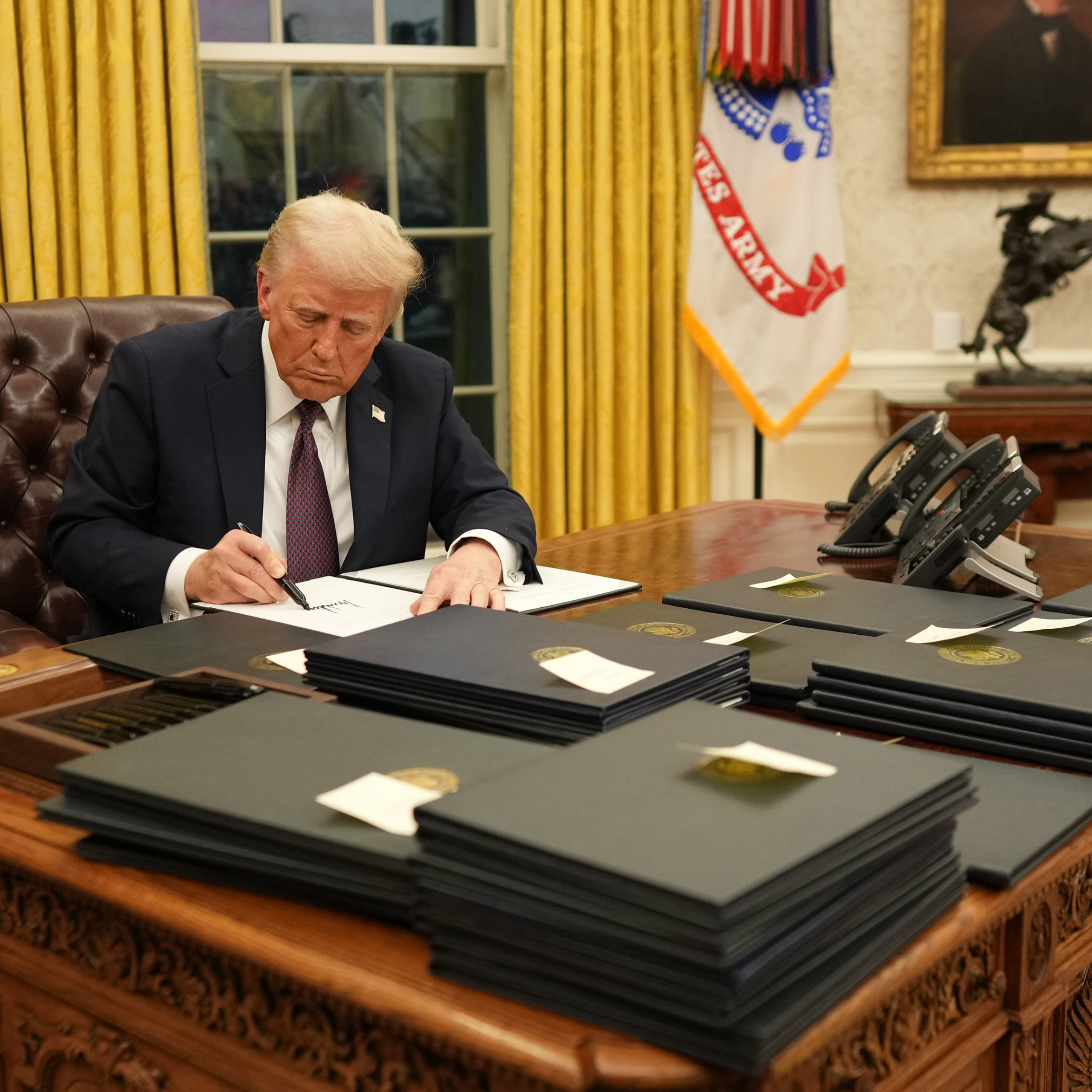
FEDERAL AGENCIES will no longer be bound to high-cost downtown locations under sweeping changes signed by President Donald Trump, reshaping how the government manages public buildings and spends taxpayer money.
Trump’s executive order, issued Tuesday, repeals decades-old directives by Presidents Jimmy Carter and Bill Clinton that required agencies to prioritise central business districts and historic areas when selecting office sites.
The move clears the way for agencies to relocate to more affordable, mission-focused locations—potentially in suburban or rural communities—based on cost-efficiency and public service access.
The General Services Administration (GSA), which oversees over 363 million rentable square feet across more than 8,000 properties nationwide, has been tasked with rewriting federal space management regulations to reflect the policy shift.
Deferred maintenance liabilities across these holdings now exceed $17 billion—some properties carrying repair costs greater than their value.
According to the White House, the rescinded location rules had “failed to adequately prioritise efficient and effective government service.”
Under the new policy, agencies will no longer be restricted by legacy siting mandates and will instead be encouraged to bring federal services closer to the people they serve.
The order is part of a broader cost-cutting campaign led by billionaire Elon Musk, who has advised the Trump administration on downsizing government operations.
That effort has already triggered widespread contract cancellations and workforce reductions across federal departments, although several of those actions are facing legal challenges.
Alongside the real estate overhaul, Trump also signed two procurement directives requiring agencies to favour off-the-shelf, commercially available products and to eliminate regulatory barriers that hinder business with the private sector.
The reforms aim to streamline purchasing and reduce inefficiencies that have long plagued federal acquisitions.
Earlier in his term, Trump ordered federal workers back to physical offices, citing chronic underuse of government-owned facilities in the wake of pandemic-era remote work policies.
Tuesday’s executive actions build on that stance, allowing agencies greater freedom to exit expensive leases and reposition themselves closer to the communities they serve.
The combined changes represent one of the most aggressive efforts in recent history to scale back the federal real estate footprint and rethink how and where the government operates—potentially redrawing the map of federal presence in more than 2,200 American towns and cities.