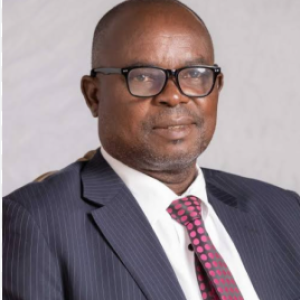
Senator Babafemi Ojudu, CON
“Faith can’t replace planning. It’s time to stop blaming God for disasters we can prevent and start demanding real action.”
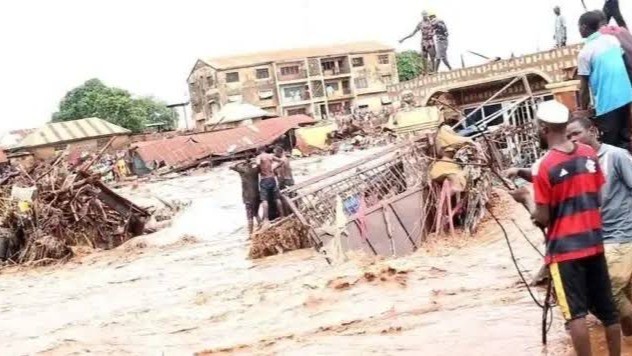
IN RECENT weeks, Nigeria has once again been plunged into mourning. More than 200 lives were lost in Niger State following devastating floods. As always, the response from leadership was disheartening, but not surprising.
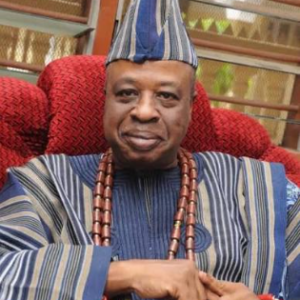
Former President Ibrahim Babangida attributed the disaster to “God’s will.” This familiar refrain may comfort some, but it reflects a broader and more troubling pattern in our national psyche—one that deflects responsibility, discourages action, and ultimately costs lives.

A journalist friend of mine, Richard Akinnola, responded with biting honesty on Facebook:
“Why you no wait when Orkar people stormed Dodan Barracks on April 22, 1990 for them to kpai you and attribute it to an act of God?”
His point is clear. We don’t leave national security to divine chance, so why do we accept spiritual explanations for infrastructure failures, environmental neglect, or preventable tragedies?
This Thinking Is Not Just Flawed. It’s Dangerous!
Across Nigeria, when bridges collapse, planes crash, or epidemics break out, leaders often reach for religious justification. But floods are not divine mysteries. They are scientifically understood phenomena that can be predicted, prepared for, and prevented with the right leadership and planning.

Other nations—many equally religious—invest in early warning systems, enforce environmental regulations, and plan their cities with climate resilience in mind. They do not abandon science at the altar of fatalism.
So why can’t we?
When leaders cite “God’s will” in the face of failure, it sends a fatal message: there is nothing we can do. It absolves responsibility, kills curiosity, and blocks progress. It is not faith. It is fatalism. And too often, it becomes a convenient shield for inaction.
Nigeria is not under a curse. It is under-governed.
Floods are not random; they follow patterns. They happen when drainage is blocked, when trees are cut down without replacement, and when urban development ignores geography. This is not speculation, it’s evidence.
A Personal Lesson in Prevention
Years ago, a strong wind tore the roof off my country home. I studied the wind’s path and planted trees as a barrier. Twenty years later, that problem hasn’t returned. The solution wasn’t miraculous. It was intentional.
Faith and science are not enemies. Religion has its place, offering meaning and moral grounding. But policy, engineering, and reason must lead in matters of public safety and development.

We can’t continue to bury cows to bring rain when the rest of the world is adopting drip irrigation and precision agriculture. We can’t treat cholera as divine punishment when the real culprit is untreated water. We must stop outsourcing our civic duties to the supernatural.
The Questions We Must Start Asking
• Why is there so little investment in flood control infrastructure?
• Why are environmental laws not enforced?
• Why do our towns have no green buffers, no drainage plans, no resilience strategies?
• Why do we continue to accept divine explanations for human failures?
It’s time to shift from a culture of resignation to a culture of responsibility. Faith can guide values, but it cannot replace action. If we want different outcomes, we must demand better from our leaders and from ourselves.
Let’s stop blaming God for what we refuse to fix. Let’s start doing the work.