By Babafemi Ojudu
ON A recent visit to the United Kingdom (UK), my son lodged me in an apartment at Wembley Park, London. From 48 Olympic Way, it was barely a two-minute walk—up a short flight of stairs—to the entrance of the famous Wembley Stadium.
I arrived on a Saturday—match day. What should have been a simple drop-off turned into a 30-minute trek with my luggage. Roads leading to the stadium were closed to vehicles, and the taxi had to stop far from my destination. At first, I wondered why. Then I saw it. A sea of humanity.
The sheer number of football enthusiasts streaming toward the stadium was unlike anything I had witnessed before. The chants filled the air, loud, rhythmic, almost liturgical. I could not fully grasp the words, but I understood the spirit. It felt, in many ways, like a religious gathering.
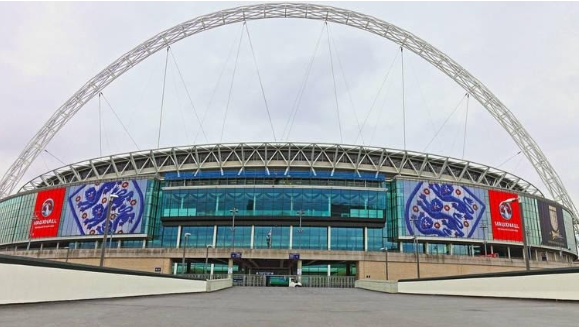
What struck me most was the diversity of the crowd: young and old, men and women, mothers pushing prams, and people in wheelchairs, all moving with purpose, united by a shared passion. Around them, an entire economy pulsed with life. Hotels were filled to capacity. Pubs overflowed. Restaurants buzzed. Short-let apartments were fully booked. It was spectacle, yes, but it was also serious business.
When I shared a video of the procession on Facebook, a younger friend joked, “Thank God Oga has finally come to love football.” I quickly issued a disclaimer: not quite. Only God knows why my son chose that location for me. But beyond football itself, what impressed me deeply was the organisation before, during, and after the match. The stadium was world-class in both design and maintenance. Security was layered and meticulous: regular police, traffic control, anti-terror units, and dog handlers sniffing out drugs and weapons. Everything worked with quiet precision.
Now, back to football.
I love the round leather game. But politics, nationalism, and patriotism have shaped how I engage with it. I confess: I feel a certain irritation, almost like being forced to swallow a bitter childhood medicine, whenever I hear Nigerians refer to European clubs as “our team.” They speak as if they own shares in these clubs. They argue, banter, and even bet with emotional intensity. Many have never stepped into Murtala Muhammed International Airport, let alone visited Wembley, yet they speak of distant clubs with intimate familiarity.
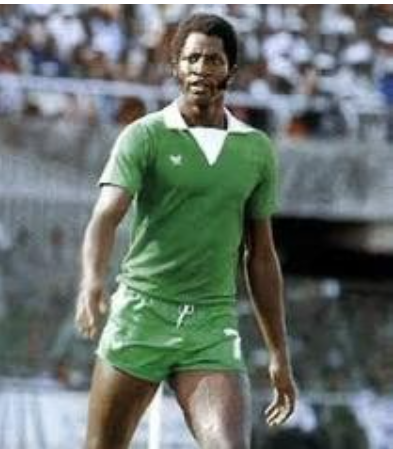
One is compelled to ask: what have we done to ourselves? Was this not the same country where Lagos would grind to a halt whenever Stationery Stores played? Where we celebrated legends like Haruna Ilerika , Teslim ‘Thunder’ Balogun, Emmanuel Okala , Segun Odegbami with relish and genuine pride? What happened to the spirit that made butchers in Ibadan tie down their cattle, shut their stalls, and travel en masse to follow IICC Shooting Stars to Algiers? Why has that passion evaporated for clubs like Rangers, Bendel Insurance? When shall we hear ‘Up Hai Hai Tshi Tshi’ again?
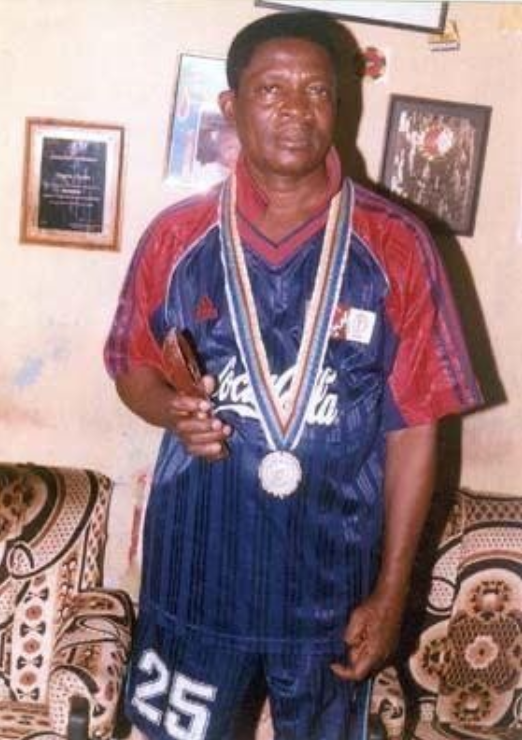
As a secondary school student, the Principal’s Cup was everything to us. It was an annual festival we anticipated. Even those of us who could not play found joy in supporting our friends—the gifted ones, like my childhood buddy Kunle Jinadu, a brilliant goalkeeper who came close to national honours even before the era of Peter Rufai. Where has all that gone?
In the mid 1980s, while I worked with The Guardian Express, every reporter—regardless of beat—was deployed to cover major matches like the FA Cup finals. When BCC Lions of Gboko came to Lagos, the city came alive. Hotels were booked out. Taxis did brisk business. The excitement was palpable. What we are witnessing today is not just a shift in taste, but a loss of industry, identity, and opportunity.
By abandoning our local football ecosystem, we have surrendered:
* Economic value: thriving match-day economies, jobs, tourism, merchandising, broadcasting rights
* Talent development: players, referees, coaches, analysts, and administrators
* Professional ecosystems: physiotherapists, sports doctors, media professionals, scouts
* Urban renewal opportunities: imagine what Surulere could have become with sustained football culture
* National cohesion: football once served as a unifying force across class, ethnicity, and region
Instead, we have become enthusiastic consumers of a foreign product that yields little direct benefit to us.
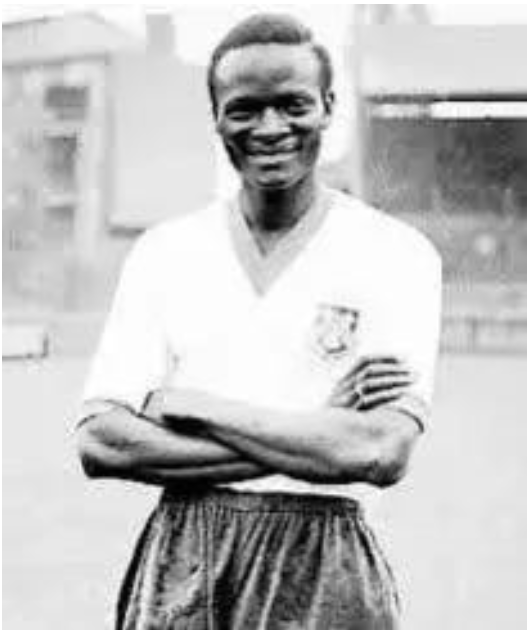
Look at our national stadia in Abuja and Lagos today, monuments to neglect. Not because we lack passion, but because we have redirected it outward, abandoning what could have been a vibrant domestic industry.
Mr President, I know you are a lover of football. I have seen your passion for the game. I appeal to you: use the power of your office to revive local football, not just for sport, but for nation-building.
Rebuilding our football culture is not a trivial pursuit. It is about:
* Restoring national pride
* Creating jobs and industries
* Engaging our youth meaningfully
* Reclaiming a shared cultural space
* Providing moments of collective joy in difficult times
And perhaps, just perhaps, it might also offer the nation a welcome distraction from the relentless weight of our daily challenges. Football, after all, is never just football.
It is economy, identity, and nationhood rolled into ninety minutes.
—
Do you have a news tip for JKNewsMedia.com? Please copy and email us at jkmediapress@gmail.com.