

By Jemimah Wellington, JKNewsMedia Correspondent
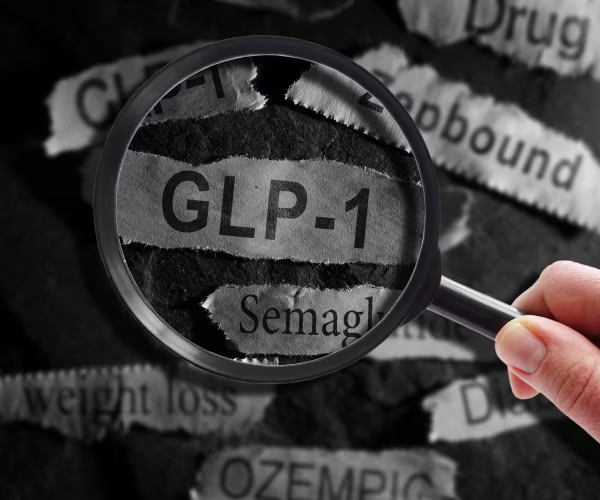
UPDATED EDITIONS of the World Health Organisation (WHO)’s Model Lists of Essential Medicines (EML) and Essential Medicines for Children (EMLc) now feature new treatments for several cancers, diabetes with comorbidities such as obesity, as well as medicines for cystic fibrosis, psoriasis, haemophilia and other blood-related disorders.
The WHO confirmed on Friday that the new editions mark the 24th update of the EML and the 10th of the EMLc.
Both lists are designed to highlight medicines that meet priority health needs and are widely adopted in more than 150 countries, where they guide procurement systems, supply management, and health insurance reimbursement frameworks.
Dr Yukiko Nakatani described the revisions as a significant step towards expanding access to medicines with proven clinical benefits.
She emphasised that the updated lists reflect the organisation’s continuous effort to strengthen equitable access to vital treatments.
The EML was first introduced in 1977 to improve access to essential medicines in developing countries.
Over the decades, it has become a global policy tool for healthcare systems, relied upon by governments to guide national formularies and ensure that medicines of highest public health importance remain available and affordable.
For the 2025 updates, the WHO Expert Committee reviewed 59 applications, which included 31 proposals for the inclusion of new medicines or classes of medicines.
Following its deliberations, 20 new medicines were added to the EML and 15 to the EMLc.
In addition, seven existing products received expanded use indications.
The revised EML now contains 523 essential medicines for adults, while the EMLc includes 374 essential medicines for children.
According to the WHO, these numbers reflect the world’s most pressing public health needs and are adjusted to match advancements in medical science and treatment standards.
Cancer treatments featured prominently in the updates, underscoring the disease’s global burden.
The WHO noted that cancer remains the second leading cause of death worldwide, killing nearly 10 million people annually and accounting for one in three premature deaths from noncommunicable diseases.
Cancer medicines have been a major focus of the EML for the past decade, and inclusion on the list follows rigorous criteria.
Despite the large number of cancer drug approvals across global markets, the WHO explained that only a limited selection qualifies for the essential medicines’ lists.
The organisation restricts entries to therapies supported by robust clinical evidence showing an extension of survival by at least four to six months.
This approach, it stated, ensures that the medicines listed provide tangible health outcomes, especially in resource-limited settings where affordability and access are key considerations.
The updated lists also represent growing recognition of noncommunicable diseases beyond cancer.
With the inclusion of new diabetes treatments addressing patients with coexisting obesity, the WHO signalled the importance of integrated care approaches.
Similarly, the addition of therapies for cystic fibrosis, psoriasis, haemophilia, and other blood-related disorders reflects efforts to ensure broader access to medicines for chronic and life-threatening conditions.
The WHO confirmed that the model lists remain critical in guiding governments, international agencies, and health organisations.
By identifying priority medicines, the EML and EMLc support efforts to align national health policies with global standards, reduce treatment inequities, and enhance overall public health impact.



There should be more improvement in dissemination of the essential medicine both for adult and children.
I agree with you a 100% … Thank you for your kindness in reading JKNewsMedia.com