By Joke Kujenya
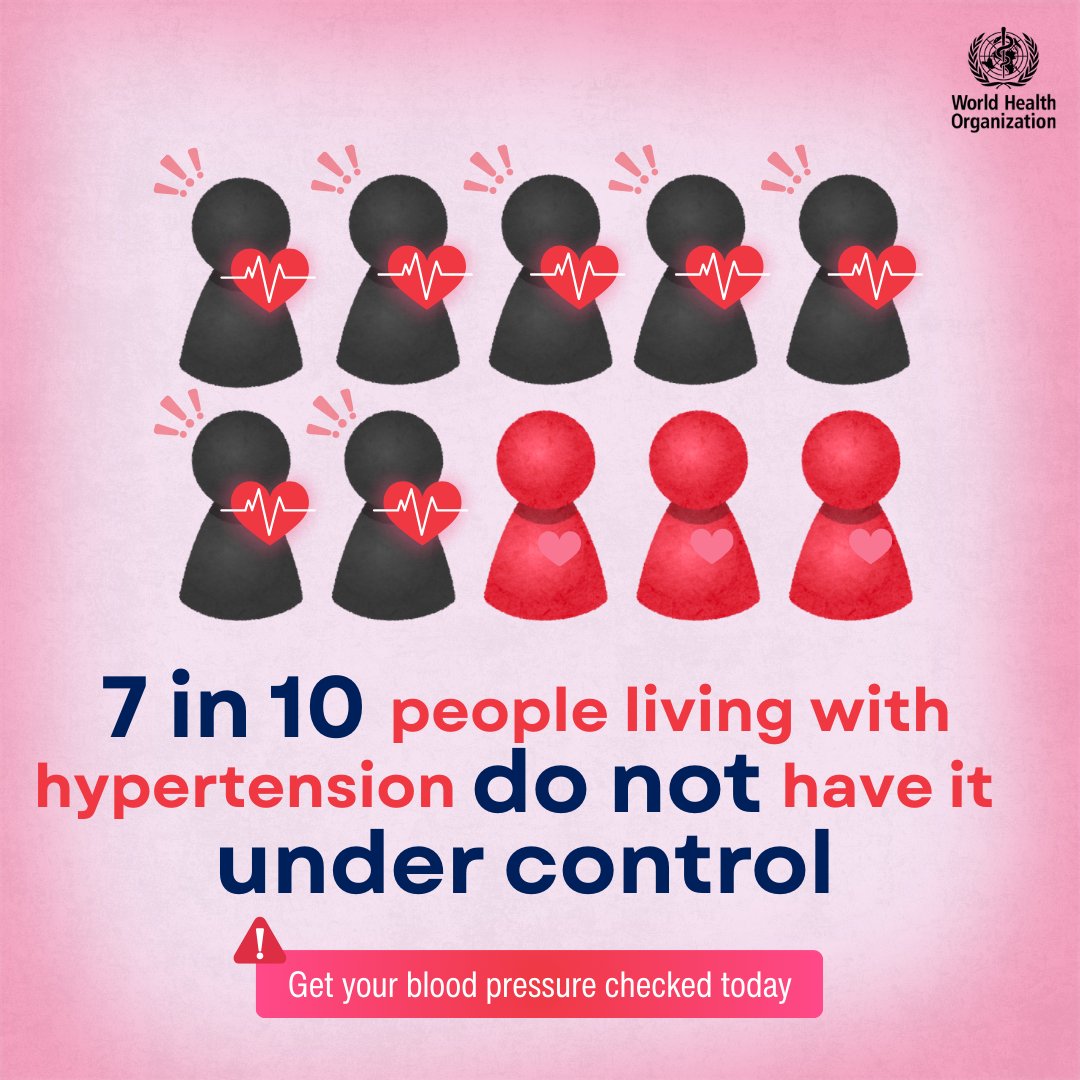
MOUNTING RISKS from high blood pressure have been highlighted in a new World Health Organisation (WHO) report, which shows millions remain vulnerable due to poor access to essential medicines and weak health systems.
The report identifies Nigeria among low-income countries where a significant proportion of the population is increasingly at risk.
According to the findings, only 28 per cent of recommended hypertension medicines are available in pharmacies or primary care facilities across such countries, leaving millions exposed to preventable illness and premature death.
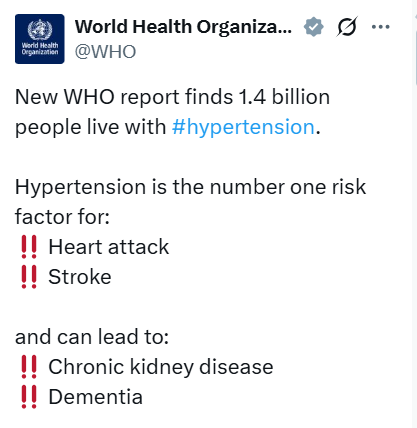
The second Global Hypertension Report, released during the 80th United Nations General Assembly (UNGA) at an event co-hosted by WHO, Bloomberg Philanthropies and Resolve to Save Lives, described hypertension as a leading cause of heart attack, stroke, chronic kidney disease and dementia.
The organisation warned that without urgent action, millions of preventable deaths will continue to occur while countries also face mounting economic losses.
WHO Director-General Tedros Adhanom Ghebreyesus emphasised the devastating human toll of hypertension, stating that every hour more than 1,000 lives are lost to strokes and heart attacks linked to the condition.
He noted that most of these deaths remain preventable, stressing that political will, sustained investment and reforms to embed hypertension control in health services would save millions of lives and support universal health coverage.
The report projects that cardiovascular diseases, including hypertension, will cost low- and middle-income countries around US$3.7 trillion between 2011 and 2025, equivalent to approximately 2 per cent of their combined GDP.
The WHO underlined that progress depends on systematic reforms and stronger commitments by governments to prioritise non-communicable diseases.
Bloomberg Philanthropies Public Health Programme lead Kelly Henning echoed the urgency, warning that uncontrolled high blood pressure already claims more than 10 million lives annually despite being preventable and treatable.
She explained that countries which integrate hypertension care into universal health coverage and primary care are recording progress, but many low- and middle-income nations remain excluded due to systemic gaps.
The report identifies several key barriers undermining hypertension control worldwide.
These include weak health promotion policies on risk factors such as tobacco and alcohol use, physical inactivity, excess salt and trans fats; limited access to validated blood pressure devices; lack of standardised treatment protocols and trained primary care teams; unreliable supply chains and costly medicines; inadequate financial protection for patients; and insufficient information systems to monitor trends.
Dr Tom Frieden, President and Chief Executive of Resolve to Save Lives, reinforced that effective and affordable medicines to control blood pressure already exist.
He stressed that closing the accessibility gap would not only save lives but also reduce economic burdens by saving billions of dollars annually.
The WHO report calls for coordinated national action plans, improved drug availability, and stronger investments in preventive health programmes.
The organisation also urged governments to leverage proven tools already available, ensuring that hypertension care becomes a standard part of primary healthcare delivery in every country.