By Joke Kujenya
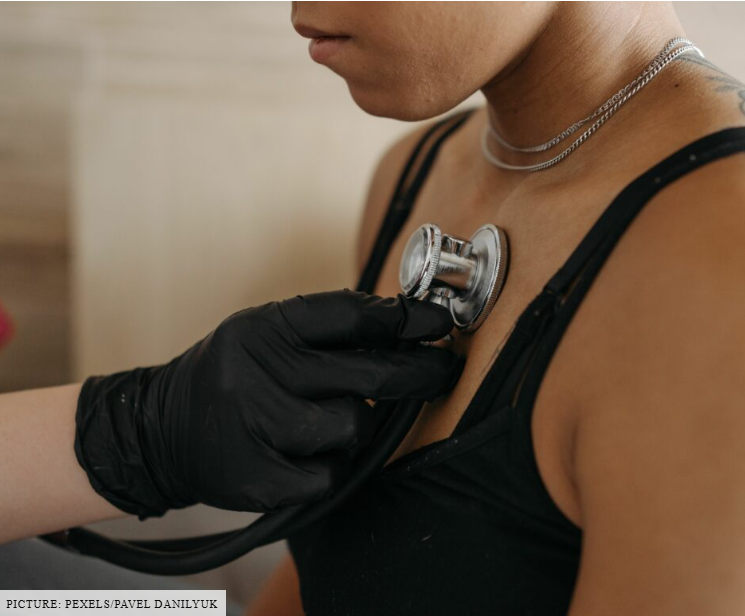
FOR MANY people, a visit to the hospital or clinic begins only when something feels wrong. But health experts continue to encourage a different approach: do not wait for symptoms before paying attention to your health.
JKNewsMedia.com writes that medical experts suggest that regular health check-ups can help detect some illnesses early, even when a person feels completely well.
Early detection can also make some conditions easier to manage and, in some cases, improve the chances of successful treatment.
Across Africa, health concerns such as high blood pressure, diabetes, HIV, tuberculosis and some forms of cancer remain important public health issues. Some of these conditions may develop quietly, without clear warning signs in their early stages.
A simple visit to a healthcare facility can provide an opportunity to check for possible problems before they become more serious.
Know Your Numbers
Adults should make an effort to know some of their basic health measurements.
These can provide useful information about their overall health and help healthcare workers identify possible risks.
Depending on a person’s age, medical history and individual needs, routine checks may include:
Blood pressure
Blood sugar
Body weight
Cholesterol levels, where available
Basic physical examination
In addition, many health facilities also provide services such as HIV testing, vaccinations and other preventive health checks.
Some services may be available at little or no cost, depending on the facility and location.
For women, recommended cervical cancer screening and breast health checks are important parts of preventive healthcare. Men, particularly as they grow older, can discuss prostate health and other age-related concerns with a healthcare professional.
Children also need regular healthcare attention, including routine vaccinations and monitoring of their growth and development.
You Can Feel Healthy and Still Have a Problem
One of the biggest reasons people postpone medical check-ups is the belief that they are healthy because they feel fine.
But the absence of symptoms does not always mean that everything is normal.
Some health conditions can develop gradually and may not produce noticeable symptoms until they have become more advanced. This is why preventive check-ups can be important, particularly for people who have risk factors or a family history of certain illnesses.
For people already living with conditions such as high blood pressure or diabetes, regular medical appointments are even more important. These visits allow healthcare professionals to monitor the condition and determine whether treatment is working or needs to be adjusted.
Prepare Before Seeing Your Doctor
A little preparation can make a medical visit more useful.
Before going to a clinic or hospital, people can write down any symptoms, changes or concerns they have noticed. It is also helpful to make a list of medicines, vitamins or supplements being taken.
Patients should also be open with healthcare professionals about their lifestyle and any significant health conditions that run in their families.
Providing accurate information helps doctors, nurses and other healthcare workers better understand a person’s health and offer appropriate advice.
Healthy Habits Matter Too
Regular check-ups are only one part of staying healthy. What people do every day also plays an important role.
Simple habits that can support better health include:
Staying physically active
Eating more fruits and vegetables
Reducing salt and sugary drinks
Drinking enough water
Getting adequate sleep
Managing stress
Avoiding unhealthy habits that increase health risks
These measures do not replace medical care, but they can complement regular health checks and contribute to a healthier lifestyle.
Breaking the Fear of the Clinic
For some people, the decision to avoid a health facility is influenced by long queues, lack of time, cost or fear of discovering an illness.
Others simply postpone a check-up because they do not feel sick.
But delaying care can sometimes allow a health problem to progress unnoticed.
Starting with one routine health visit can be a practical first step. People can also speak with their local clinic, doctor, nurse or community health worker about which checks are appropriate for their age, sex, medical history and individual health needs.
Prevention Starts With Paying Attention
Healthcare is not only about treating illness after it appears. It is also about prevention, early detection and understanding what is happening inside the body.
A routine check-up may reveal that everything is fine and provide reassurance.
It may also identify a potential health problem early enough for appropriate action to be taken.
For individuals and families, making time for regular health checks is a simple investment in the future.
Health experts note that the message is straightforward, no one should wait until seriously ill before taking their health seriously.
As such, making regular check-ups part of your healthcare routine is essential.
—