By Jemimah Wellington, JKNewsMedia Reporter
THE AFRICAN Development Bank’s (AfDB) President, Dr Akinwumi Adesina, has been re-elected with unanimous shareholder support—an historic 100% vote that affirmed a decade of leadership widely credited with reshaping Africa’s development financing landscape.
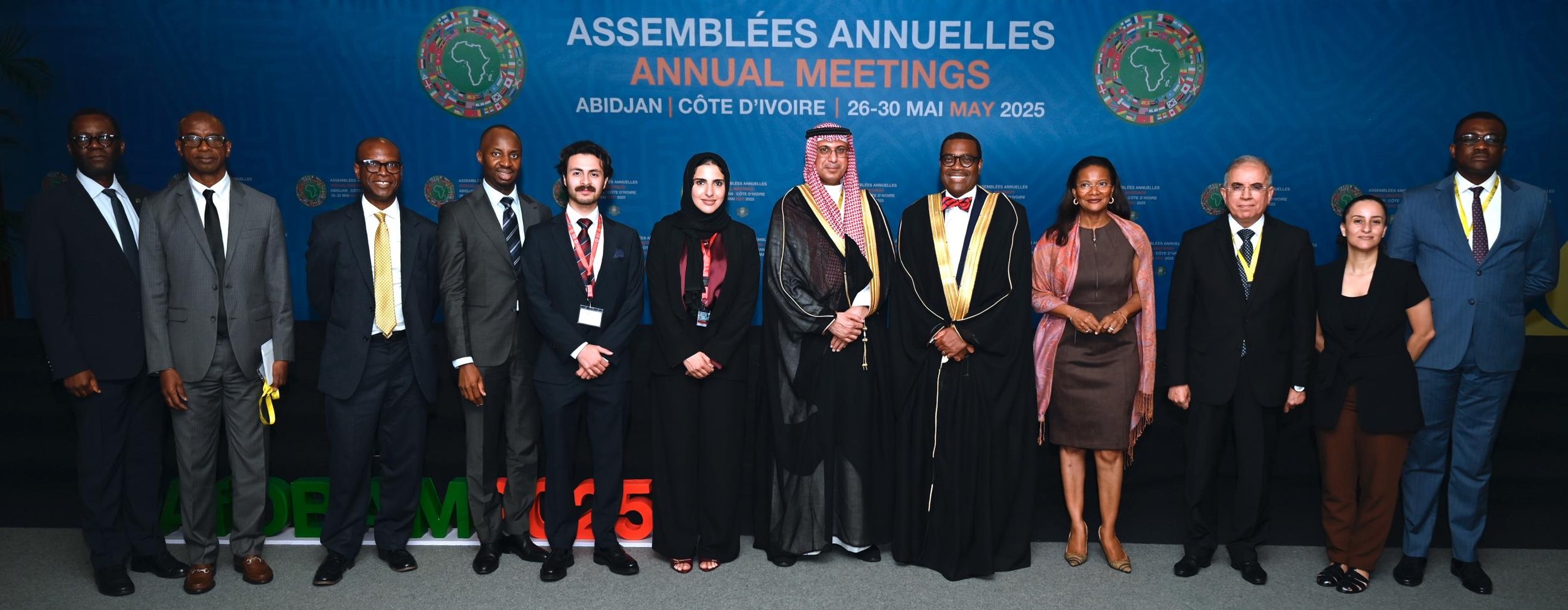
First elected in 2015 and reappointed in 2020 during the bank’s Annual Meetings in Abidjan, Adesina addressed African leaders and global stakeholders with a reflective speech chronicling the bank’s achievements under his stewardship.
He described the presidency not merely as a position, but as a deeply personal mission to drive transformative change across the continent of his birth.
Support from 81 regional and non-regional member countries propelled the Bank’s strategic “High 5” priorities: lighting up and powering Africa, feeding Africa, industrialising the continent, driving regional integration, and improving quality of life.
These priorities touched 565 million lives through increased access to electricity, food security, improved transport, health services, clean water, and sanitation.
Between 2015 and 2025, the Bank committed $102 billion—46% of its total financing since 1964—making it the most prolific period in the Bank’s history.
Infrastructure accounted for over $55 billion of this, including roads, rail, ports, digital systems, and water networks.
In Côte d’Ivoire, the host country, financing surged by 500% compared to the previous five decades.
Landmark projects include the Henri Konan Bédié Bridge and the 4th bridge connecting Yopougon to Adjamé, alongside expansive urban transport upgrades linked to the 2023 Africa Cup of Nations.
Elsewhere on the continent, the Bank has funded projects such as the $3.2 billion standard gauge railway in Tanzania, extending regional integration across borders into the Democratic Republic of Congo and Burundi.
The President credited the Bank’s staff and African citizens as the core drivers of its development mandate.
Adesina closed his address reaffirming the Bank’s core principle: development is its purpose, and acceleration remains its duty.
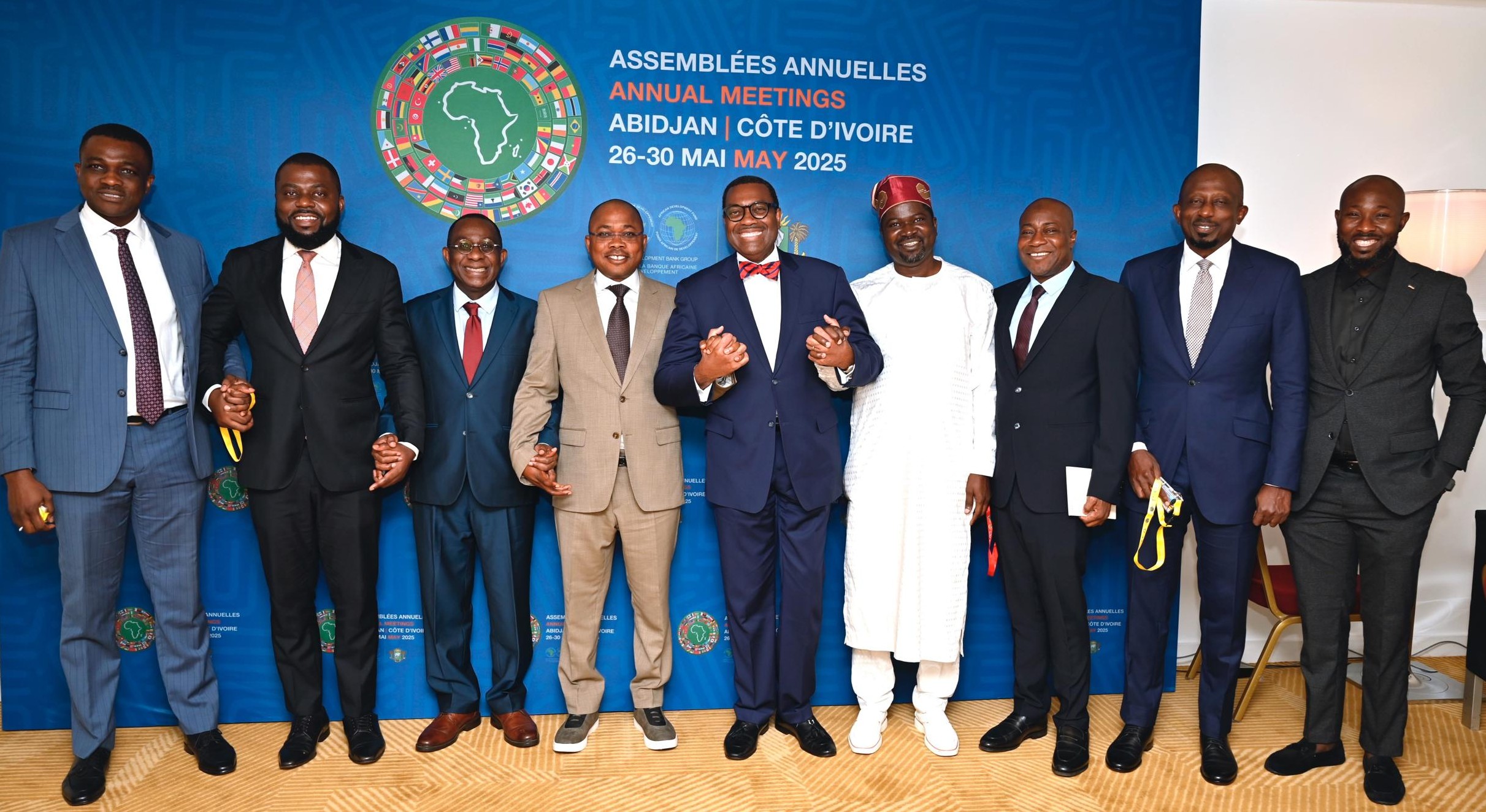
Others at the event remarked that: Yet his legacy, towering and luminous, is not merely measured in figures or accolades.
It is etched into the living soul of Africa’s transformation — visible in the confidence of a young woman launching a tech startup in Kigali, in the resolve of a farmer harnessing solar-powered irrigation in Mali, and in the rhythm of a classroom filled with children who now dream not just of surviving, but of shaping their world.
It is embodied in the spirit of partnership he cultivated — one not of dependency, but of dignity, not of patronage, but of purpose.
He summoned Africa to rise, not by asking what others could do for her, but by stirring what she must do for herself.
He reminded us that development is not a favour — it is a right.
And he championed that right with every ounce of his intellect, every beat of his heart.
Let it be said of him: he served not for applause, but for impact. Not for vanity, but for vision.
He planted trees whose shade he may never sit under — and yet, he planted them still, because he believed in the harvest.
As we bid farewell to this chapter, may we never bid farewell to the courage, conviction, and clarity he brought to the cause of African development. For his departure is not an end, but a call — to each of us — to carry the flame forward.
Africa shall not forget him.