By Helen Okechukwu, JKNewsMedia Reporter
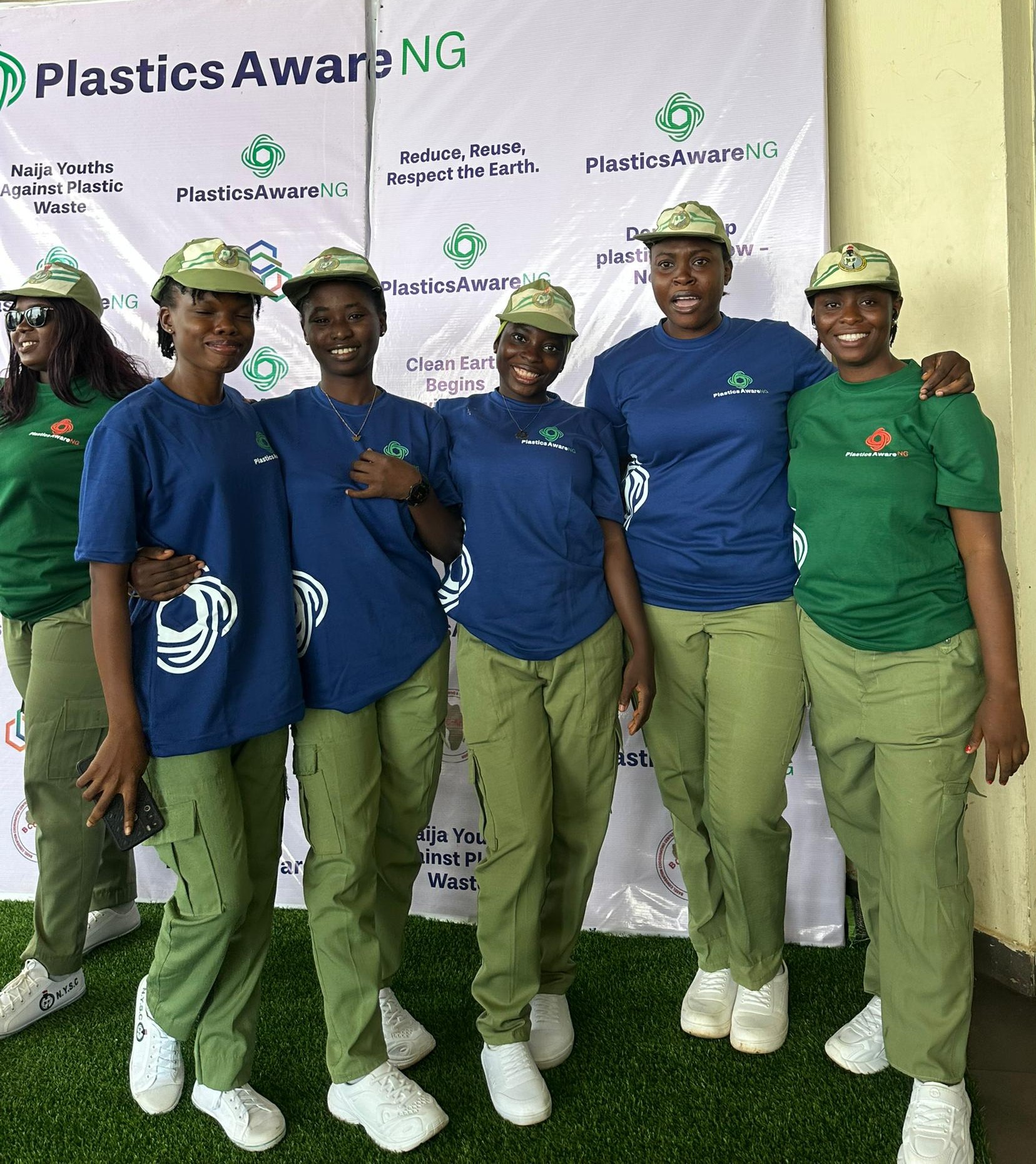
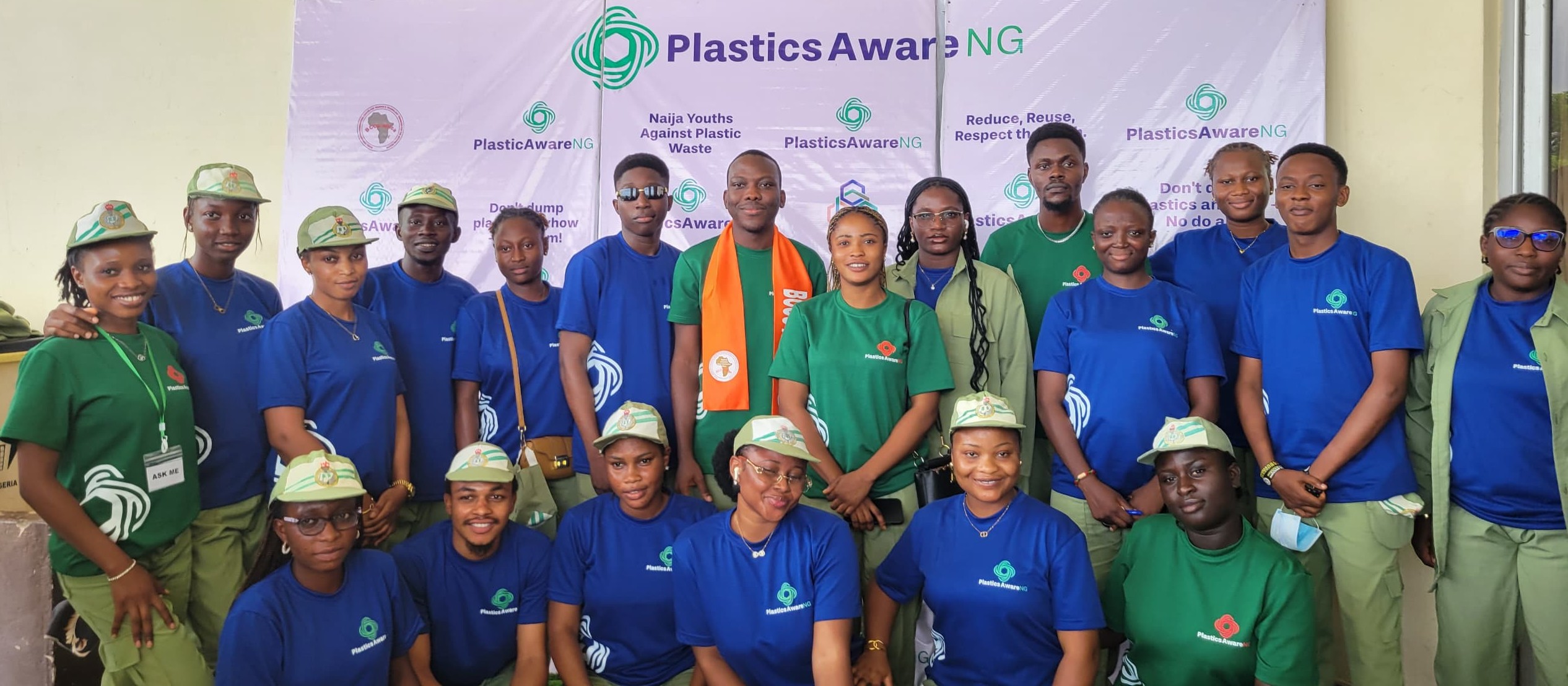
TO SAFEGUARD aquatic ecosystems and prevent environmental degradation across Nigeria, the Basel Coordinating Centre for the Africa Region (BCCCAfrica), Nigeria Chapter, has trained more than 300 National Youth Service Corps (NYSC) members to lead a nationwide campaign against plastic pollution.
The training focused on building capacity among young Nigerians to promote sustainable waste management and raise awareness on the dangers of plastic waste to human health and the environment.
The sensitisation workshop, organised by BCCCAfrica, was held at the International Conference Hall of the University of Ibadan (UI) on Thursday.
JKNewsMedia reporter, who was one of the participants reports the sensitisation was aimed at educating corps members on the environmental effects and health implications of plastic waste on water bodies, land, and the general ecosystem.
During the session, the Executive Director of BCCCAfrica in Nigeria, Professor Gilbert Adie, represented by former Executive Director Professor Percy Onianwa, emphasised the organisation’s ongoing efforts to address the challenges of waste management in the country.
He recalled that about 30,000 tonnes of toxic waste were channelled into Nigeria in 1988 during the Koko incident, a major environmental crisis that underscored the need for stricter control of hazardous waste.
Professor Onianwa also explained that the Basel Convention operates on three fundamental pillars, the control of transboundary movement of hazardous waste, environmentally sound management of hazardous and other wastes, and minimisation of the sources of hazardous waste generation.
She also reports him as saying that the training aligns with these principles by empowering youths to identify, manage, and mitigate plastic pollution within their communities.
He further disclosed that the Basel Convention has 14 regional coordinating centres worldwide, with four located in Africa — Nigeria, Egypt, Senegal, and South Africa.
The Nigerian headquarters, he said, is situated in Ibadan, Oyo State, serving as the regional hub for environmental sustainability and hazardous waste management initiatives.
Professor Onianwa pointed out that plastics are produced in various forms and that many of them pose serious threats to both human health and environmental stability.
He urged the participants to apply the knowledge gained from the training to influence behavioural change at community and institutional levels.
Addressing the gathering, Professor Ipeaiyeda, one of the keynote speakers, described the accumulation of plastic waste as a serious environmental concern that contributes to vector-borne diseases and water contamination.
He observed that heaps of improperly disposed plastics serve as breeding grounds for mosquitoes and allow harmful chemicals to leach into the soil, thereby contaminating food sources and underground water.
Professor Ipeaiyeda stressed the urgent need for environmental awareness and proactive waste disposal practices.
He further called for greater collaboration between government agencies, private recyclers, and local communities to strengthen Nigeria’s response to the growing menace of plastic waste.
Highlighting the public health dimension of the crisis, Professor Mary Ogundiran disclosed that Europe and Africa together generate a substantial proportion of global plastic waste, with about 450 million tonnes deposited yearly.
She warned that the presence of microplastics in the food chain poses significant risks to human health.
“Plastic waste causes harm to both the environment and humans. For instance, when humans consume fish that has already eaten microplastics, the toxins can accumulate in the body,” Professor Ogundiran said.
She explained that continuous exposure to such contaminants can lead to long-term health complications.
According to Professor Ogundiran, Nigeria remains one of the major contributors to global plastic pollution, with about 3.5 million tonnes of plastic waste discharged into the environment annually.
She added that Indonesia follows closely with 3.4 million tonnes, while India ranks as the highest contributor, producing about 9.3 million tonnes of waste each year.
Professor Ogundiran urged the government to strengthen policy enforcement on waste management and environmental protection. She recommended the implementation of national awareness campaigns to educate citizens on proper plastic waste disposal and recycling practices.
She emphasised that sustainable waste management policies would not only protect the environment but also promote public health and create employment opportunities through recycling and green innovation.
A recycling expert, Mr Victor Okunolu, who also spoke during the training, encouraged corps members to become active advocates of plastic waste management within their areas of primary assignment.
“Know how you treat your waste within your compound. You can’t recycle what you don’t have,” he said, urging participants to adopt responsible waste disposal habits and engage local communities in awareness initiatives.
Okunolu affirmed the economic potential of recycling, noting that waste properly sorted and managed can serve as a valuable raw material for industrial production.
He encouraged corps members to partner with local recycling firms and community organisations to build a sustainable waste management network.
Participants expressed appreciation to BCCCAfrica for the training and pledged to promote environmental awareness across their respective host communities.
Many described the workshop as a transformative experience that deepened their understanding of the link between plastic pollution, climate change, and public health.
The corps members affirmed their commitment to supporting BCCCAfrica’s mission by serving as ambassadors for environmental sustainability.
They vowed to launch awareness drives in schools, markets, and neighbourhoods across Oyo State and beyond, aimed at discouraging indiscriminate dumping of plastic waste.
Organisers noted that the workshop represents part of BCCCAfrica’s continuous engagement strategy with Nigeria’s youth population, designed to build long-term capacity in environmental protection and responsible waste management.
The initiative also aligns with the United Nations’ Sustainable Development Goals (SDGs), particularly Goal 12, which focuses on responsible consumption and production, and Goal 14, which aims to conserve and sustainably use marine resources.
The Basel Coordinating Centre reiterated its commitment to assisting the Nigerian government and its agencies in implementing international conventions on hazardous waste management.
The centre reaffirmed its readiness to collaborate with local authorities, universities, and environmental advocacy groups to combat plastic pollution through research, innovation, and education.
The session eventually concluded with a call for collective action to safeguard Nigeria’s ecosystems. Stakeholders emphasised that addressing plastic pollution requires strong partnerships among government institutions, the private sector, and civil society.
They also stressed the importance of consistent policy implementation and public participation in environmental protection efforts.
As the training drew to a close, participants were presented with advocacy materials and urged to sustain their commitment to the cause beyond their service year.
Moreover, the organisers maintained that building an environmentally conscious generation begins with empowering the youth to act as stewards of change in their communities.
BCCCAfrica reaffirmed that it would continue to organise educational workshops and stakeholder dialogues to promote environmental awareness and reduce plastic waste across Nigeria and the wider African region.
The centre also stated that its long-term goal is to support a cleaner, safer, and healthier environment through science-based interventions, effective waste management, and youth-led advocacy.