By JKNewsMedia
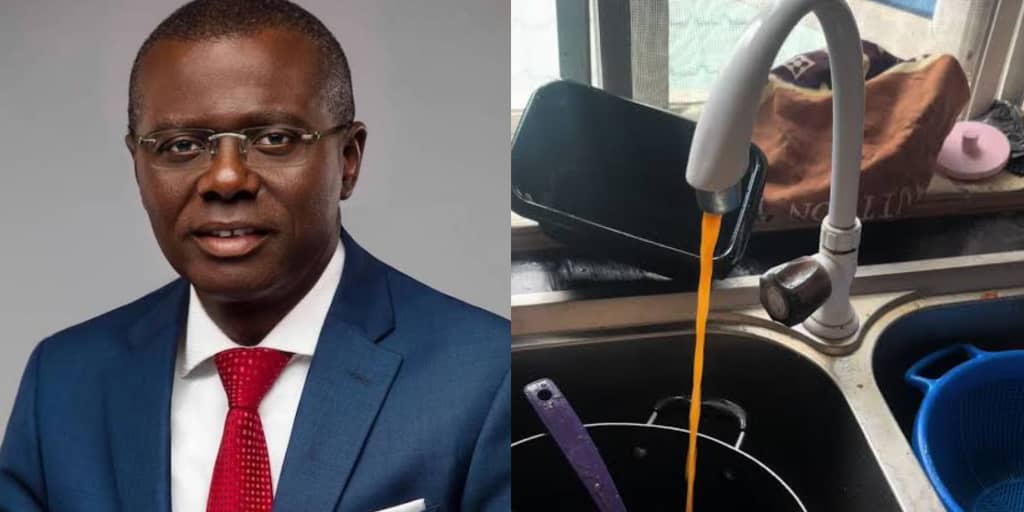
CORPORATE ACCOUNTABILITY and Public Participation Africa (CAPPA) has expressed concern over remarks by Mahmood Adegbite, Permanent Secretary, Office of Drainage Services and Water Resources, Lagos State Ministry of the Environment and Water Resources, who stated that residents of the Lekki Peninsula are “probably drinking what I will call ‘shit water’” due to contaminated boreholes.
In a statement on Sunday, CAPPA stressed that while the blunt remark has gained attention, the critical issue is the failure it exposes in the state’s water governance.
The organisation stated that boreholes and dug wells in Lagos are not luxury choices but survival measures for residents left without reliable public water supply.
According to the group, decades of neglect in public water infrastructure have forced residents to rely on unsafe, self-supplied water.
It noted that the Lagos State Government’s public admission of health risks without taking responsibility was troubling. CAPPA said the government should address the root cause – the chronic underinvestment in public water infrastructure — instead of criticising residents for drilling boreholes.
The organisation added that faecal contamination, poor wastewater management, and untreated sewage are longstanding issues, describing them as symptoms of a water and sanitation system left to deteriorate while decision-makers pursue privatisation models that prioritise profit over public interest.
CAPPA reiterated its warnings about insufficient funding for public water systems, lack of transparency in water governance, and repeated attempts to introduce private sector-led models, noting that such models have failed elsewhere.
It urged the government to halt market-based water reforms and commit to a transparent, community-led approach to water policy.
The statement called for urgent public investment in water and sanitation, repair of wastewater systems, and climate-resilient water management.
It emphasised that regulation of borehole drilling must only follow the provision of viable public water alternatives.
CAPPA concluded that residents are victims of policy failure, and this failure must be addressed through inclusive governance and sustained investment, not by shifting blame.